
Best Surfboards for Beginners
On this page5
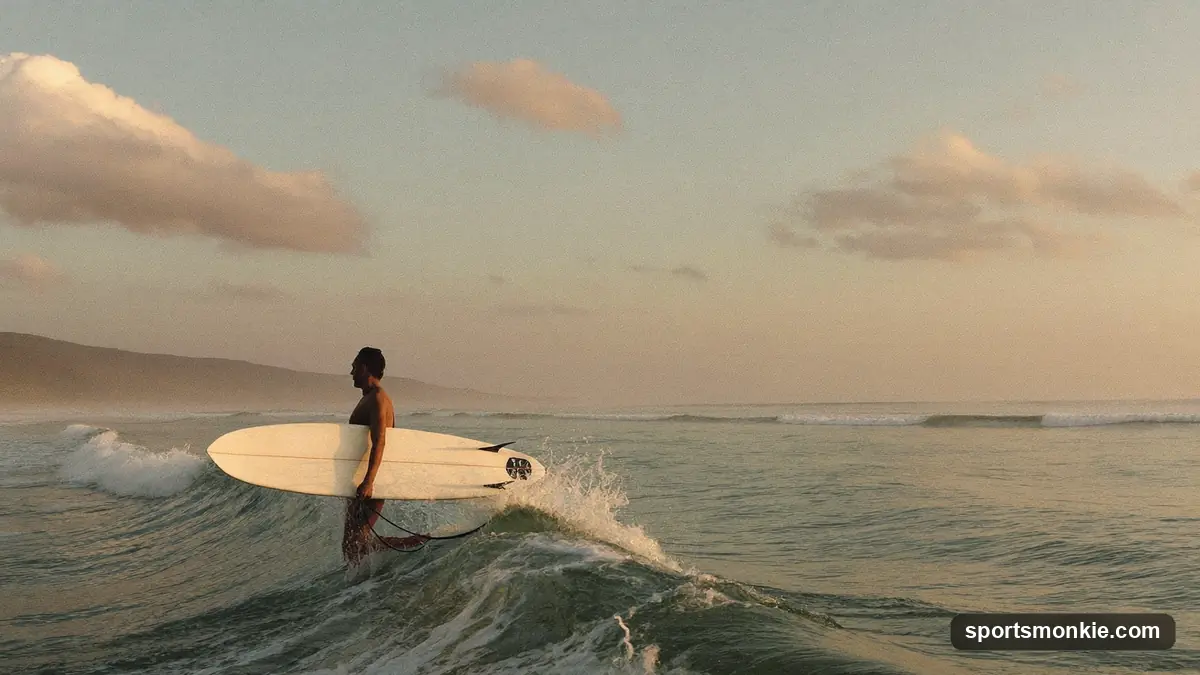
The best surfboard for almost every beginner is a large, high-volume foam “soft-top” somewhere in the 7 to 9 foot range. Its length, width and thickness make it stable, easy to paddle and quick to catch waves, while the foam construction is forgiving when you fall and safer for everyone around you. If you buy just one thing right when you start surfing, make it a board like this.
This guide explains why volume and stability matter so much for learning, how to pick the right size for your body, what a first board costs, and how to progress toward more advanced shapes. It is general gear guidance, not an endorsement of any particular brand.
Why soft-tops win for beginners
Learning to surf is mostly about two things: catching enough waves to practice, and getting the chance to pop up to your feet without the board squirming out from under you. A big foam board helps with both. The extra volume floats you high in the water so you paddle faster and catch waves earlier, and the width and length give you a stable platform to stand on. When you inevitably fall, a foam deck and soft rails are far kinder to your shins, ribs and any surfer nearby than a hard fiberglass board with sharp edges.
That safety and forgiveness is why surf schools around the world hand every student a soft-top. It is not a compromise; it is genuinely the fastest way to learn.
Getting the size and volume right
The most common beginner mistake is buying a board that is too short because it looks like what the pros ride. For learning, more volume is almost always better. Taller and heavier riders should choose longer, thicker boards so they float and paddle well; lighter riders can go a little shorter within the beginner range.
| Board type | Rough length | Best for |
|---|---|---|
| Foam soft-top | 7–9 ft | First-timers, maximum stability |
| Funboard / mini-mal | 7–8 ft | Improving beginners, more maneuver |
| Longboard (hard) | 8–9+ ft | Cruising, easy wave-catching |
| Mid-length | 6.5–7.5 ft | Progressing intermediates |
| Shortboard | Under 6.5 ft | Advanced turning, not for learning |
Aim for stability first. You can always size down as your balance and paddling improve. Our companion guide on surfboards for beginners goes deeper on matching board volume to your weight.
Fins, leash and the little extras
A beginner setup should include a leash so your board never gets away from you and endangers others, plus soft fins that come with most foamies. You do not need to overthink fin setups at this stage; the ones included are fine. A bar of wax or a traction pad helps your feet grip, and a rash guard or wetsuit keeps you comfortable depending on water temperature.
What it costs and how to save
As of 2026, a new beginner soft-top typically runs in the low-to-mid hundreds of dollars, while used boards are often available for considerably less. Because a first board takes plenty of dings as you learn, buying used or even renting for your first few sessions is a smart, low-cost way to confirm you love surfing before spending more. Surfing rewards patience far more than expensive equipment, and the humbling early days are shared by everyone, even the greatest surfers who now ride high-performance shortboards.
How to progress
Once you can consistently paddle into waves and pop up, you can start sizing down. A common path is soft-top to hard longboard or funboard, then a mid-length, and only much later a shortboard. Rushing this progression is the classic way to stall out, because a board with too little volume simply won’t let you catch enough waves to keep improving. Let your wave count, not your ego, decide when to change boards.
Surfing is one of the harder sports to learn, and gear is only part of the puzzle alongside wave selection, fitness and time in the water. But starting on the right board, a big, stable, forgiving foam soft-top, removes the biggest early obstacle and gets you standing up and having fun far sooner.
Frequently asked questions
What size surfboard should a beginner get?+
Most beginners learn fastest on a soft-top roughly 7 to 9 feet long with plenty of width and thickness, giving high volume and stability. Taller or heavier riders should lean toward the longer, thicker end of that range so the board floats them well and paddles easily. The single biggest beginner mistake is buying a board that is too short and thin because it looks like what advanced surfers ride; more volume almost always means faster learning.
Should a beginner get a soft-top or a hard board?+
A soft-top, or 'foamie,' is the standard recommendation for learning. The foam deck and rounded construction are more forgiving in a wipeout, safer if the board hits you or another surfer, and the shape is very stable and buoyant. Hard boards perform better for turning and are the next step once you can consistently stand and ride, but they are less forgiving and best left until you have the basics down.
How much does a beginner surfboard cost?+
As of 2026, a new beginner foam soft-top typically costs somewhere in the low-to-mid hundreds of dollars, with used boards often available for much less. Price depends on size, brand reputation and whether fins and a leash are included. Because a first board takes plenty of dings while you learn, many people sensibly start with a used soft-top or a rental to keep costs down before investing in a nicer board later.
Can you learn to surf on a shortboard?+
You can, but it is much harder and slower, so it is not recommended. Shortboards have little volume, so they sink under a beginner's weight, are very unstable and are difficult to paddle and catch waves on. Learning on a high-volume soft-top lets you catch more waves and practice standing up far more often, which is how you actually improve. Size down to a shortboard only after you are comfortably riding waves.
Sources
Play & tools
Free browser games and tools — no account, no download.
- Play today's Sports Connections — Today's Sports Connections — daily hints, answers, and play the grid.
- Play Guess the NFL Player — A new mystery NFL player every day. Eight guesses, with a clue on each — plus free unlimited mode.
- Explore all our games →
Related guides
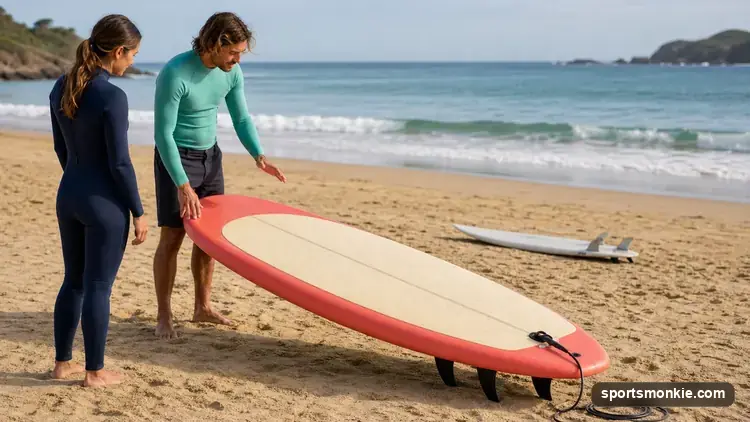
Surfboards for Beginners: Why Bigger Is Better to Start
Surfboards for beginners: start on an 8-9ft soft-top foam board sized to your weight, not a shortboard. Size chart, foam vs epoxy, and rent-vs-buy costs.

Bouldering Shoes for Beginners
How to choose beginner bouldering shoes: why a flat, comfortable, moderately snug shoe beats an aggressive one, plus sizing, fit and material tips.

What Is a False Start in Track? Rules and Disqualification
A false start happens when a sprinter begins before the legal starting signal or reacts early enough to violate the competition’s reaction-time rule.
What Is the Individual Medley in Swimming? Order and Rules
The individual medley combines butterfly, backstroke, breaststroke, and freestyle in one race, in that order.

What Is a Faceoff in Lacrosse? Restart and Possession Rules
A lacrosse faceoff starts each quarter and follows goals, with two players competing for the ball while teammates stay outside the restraining area.

Sports Calendar: Upcoming Events and Confirmed Dates
Find upcoming sporting events by sport, month and host. Check confirmed dates, schedule status, short event overviews and official organiser links.