
Strong vs Weak Golf Grip: What Each Does to Ball Flight
On this page5
A strong golf grip turns both hands to the right on the handle so you see two or three knuckles on your lead hand; it closes the clubface through impact and tends to produce a draw. A weak grip turns the hands left so you see one knuckle or none; it holds the face open and tends to produce a fade or slice. Neither is “correct.” The right grip is the one that offsets your miss, and for most amateurs, who slice, that means going slightly stronger.
Grip is the cheapest fix in golf. It costs nothing, takes seconds to change, and it influences ball flight more directly than any drill you can buy.
Strong, weak, and neutral: what the words mean
“Strong” and “weak” have nothing to do with grip pressure. They describe how far your hands are rotated around the club. Look down at address with your lead hand (the left hand for a right-hander) and count the knuckles you can see:
- Strong grip: hands rotated right, showing two to three knuckles. The V between thumb and forefinger points toward your trail shoulder.
- Neutral grip: hands centered, showing about two knuckles, Vs pointing up toward your chin or trail collarbone.
- Weak grip: hands rotated left, showing one knuckle or none. The Vs point more toward your chin or lead side.
That rotation determines where the clubface wants to be at impact, and the face is what curves the ball.
What each grip does to ball flight
The mechanism is simple. A strong grip makes it easier for the face to rotate closed through the ball; a weak grip resists that rotation and leaves the face more open. Because the clubface is the main driver of where the ball starts and how it curves, that one change cascades into your whole shot shape, as HackMotion and Stix Golf both break down.
| Grip | Knuckles visible (lead hand) | Face tendency at impact | Stock shot | Miss when overdone | Ball flight height |
|---|---|---|---|---|---|
| Strong | 2–3 | Closes more easily | Draw | Hook / pull-hook | Lower (face delofts) |
| Neutral | ~2 | Square | Straight | Either way | Mid |
| Weak | 0–1 | Stays open | Fade | Slice / push | Higher (face adds loft) |
Two details worth knowing. A stronger grip slightly delofts the club, so it can lower your flight and add a touch of roll, useful into the wind. A weaker grip adds loft, floating the ball higher and landing it softer.
Which grip should you actually use?
Match the grip to the miss you are trying to kill. That is the whole decision.
If you slice, and the overwhelming majority of amateurs do, strengthen your grip. Rotate both hands right until you see two to three knuckles. You are giving the face a head start toward square, which is exactly what a slicer’s open face needs. This is the fastest slice fix in the game, faster than any swing rebuild.
If you hook or hit a lot of pull-hooks, go the other way. A weaker grip holds the face open a fraction longer and takes the left side out of play. It is the grip Ben Hogan built to survive his own hook, a story we cover in our look at his classic book, Five Lessons.
If you already hit it fairly straight, leave it neutral. Do not fix what is not broken.
My take: change grip before you change your swing. It is the highest-leverage adjustment in golf, and most people skip it because it feels awkward for the first few range sessions. Push through that. A grip that feels weird for a week beats a slice that has lasted years.
Don’t confuse grip position with grip size
One trap: a grip that is the wrong physical size can mimic these faults. Grips too small encourage overactive hands and a hook; grips too big deaden the hands and can hold the face open, feeding a slice. Before you decide your grip position is the problem, confirm the handle actually fits your hand using the golf grip size chart. Once size is right, then dial in strong, neutral, or weak.
The bottom line
Strong versus weak is really a question of face control. Strong grips close the face for a draw and fight a slice; weak grips hold it open for a fade and fight a hook; neutral sits in the middle. For the everyday slicer, a slightly stronger grip is the single best change you can make, and it is free. Set your shot shape at the handle before you ever touch your swing, and see how each grip pairs with a full draw vs fade shot shape.
Frequently asked questions
Does a strong grip cause a hook?+
It can if it is too strong. A strong grip rotates the clubface more closed through impact, which helps a slicer square the face and hit a draw. Taken too far, three or four visible knuckles and the palms turned well right, it shuts the face too much and produces a hook or a pull-hook. A slightly strong grip fixes a slice; an extreme one just swaps one miss for another.
Should a beginner use a strong or weak grip?+
Most beginners are better off with a neutral to slightly strong grip. Beginners overwhelmingly slice the ball because they leave the face open, and a slightly strong grip, showing about two knuckles, helps the face close and gets the ball airborne and turning right-to-left. A weak grip tends to make an existing slice worse.
Does a strong grip help with a slice?+
Yes, it is one of the simplest slice fixes there is. Rotating both hands slightly to the right on the handle so you see two or three knuckles on your lead hand makes the clubface easier to square or close at impact, which reduces the open-face sidespin that causes a slice. It treats the cause rather than aiming further left to hide it.
What grip do most pro golfers use?+
Most tour players use a grip somewhere between neutral and slightly strong, though there is real variety. Many modern power players favor a stronger lead-hand position to add speed and a controlled draw, while classic ball-strikers like Ben Hogan famously used a weaker grip to guard against the hook. There is no single correct grip on tour.
Sources
Play & tools
Free browser games and tools — no account, no download.
- Play today's Sports Connections — Today's Sports Connections — daily hints, answers, and play the grid.
- Play Guess the NFL Player — A new mystery NFL player every day. Eight guesses, with a clue on each — plus free unlimited mode.
- Explore all our games →
Related golf guides
View all →
Over the Top Golf Swing: Why It Causes Your Slice
An over the top golf swing throws the club outside the line, cutting across the ball. What it means, why it slices, and the drills that fix it.
How to Grip a Golf Club: The Correct Grip in 5 Steps
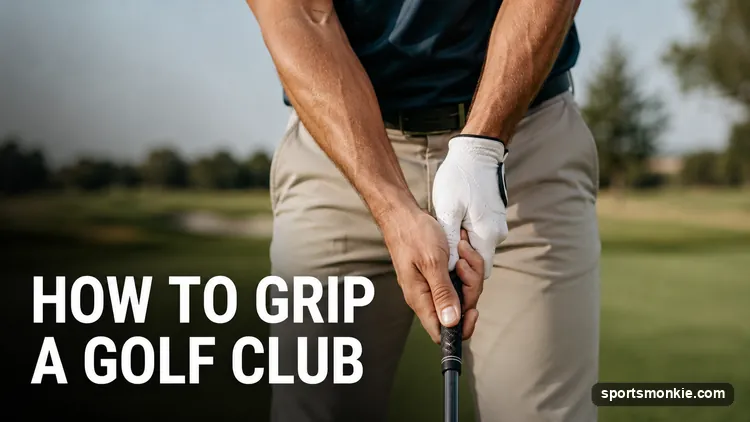
To grip a golf club correctly, rest it diagonally across your lead-hand fingers, close the hand so the V points at your trail shoulder, then set your trail hand so both palms face each other. Here is the full 5-step setup, pressure scale, and fixes for the grip faults that cause slices and hooks.
Interlock vs Overlap Grip: Which Should You Use?
Interlock locks the pinky and index finger together; overlap rests the pinky on top. Interlock suits smaller hands, overlap suits most players. Here is how to choose.
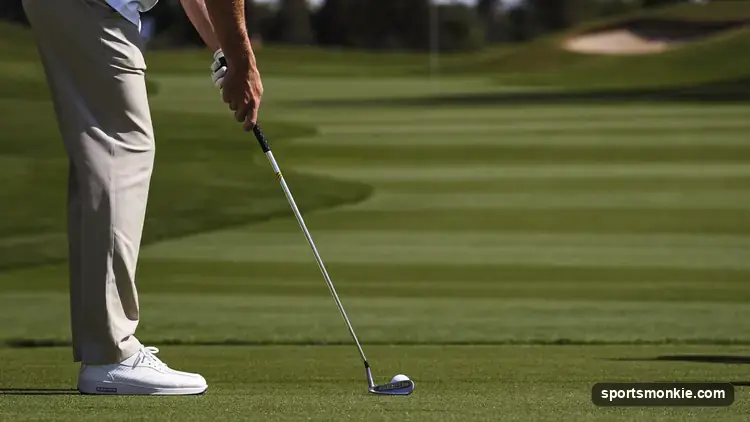
The Single Plane Golf Swing: Moe Norman's Method
The single plane golf swing, made famous by Moe Norman and taught by Todd Graves, keeps the club and lead arm on one line. How it works and who it suits.

Stack and Tilt Golf Swing: The Method Explained
The stack and tilt golf swing keeps weight forward all swing for centered contact. How the Bennett-Plummer method works, its costs, and who it helps.
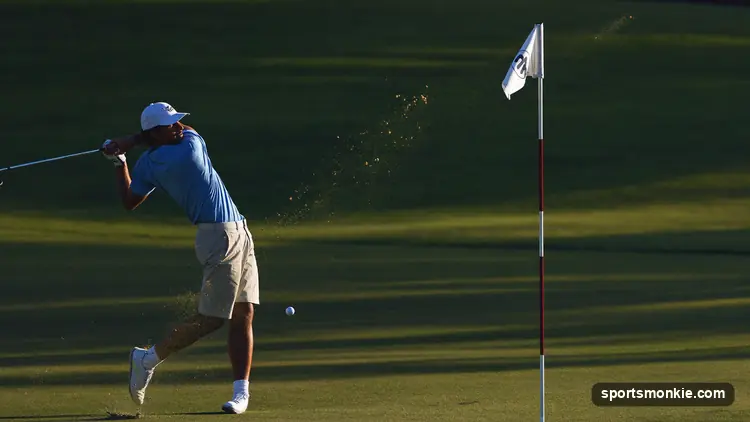
What Is a Stinger in Golf? Tiger's Shot
A stinger is a low, penetrating golf shot that bores under the wind with heavy rollout. What it is, why Tiger made it famous, and how it is hit.