
What Is a Stinger in Golf? Tiger's Shot
On this page7
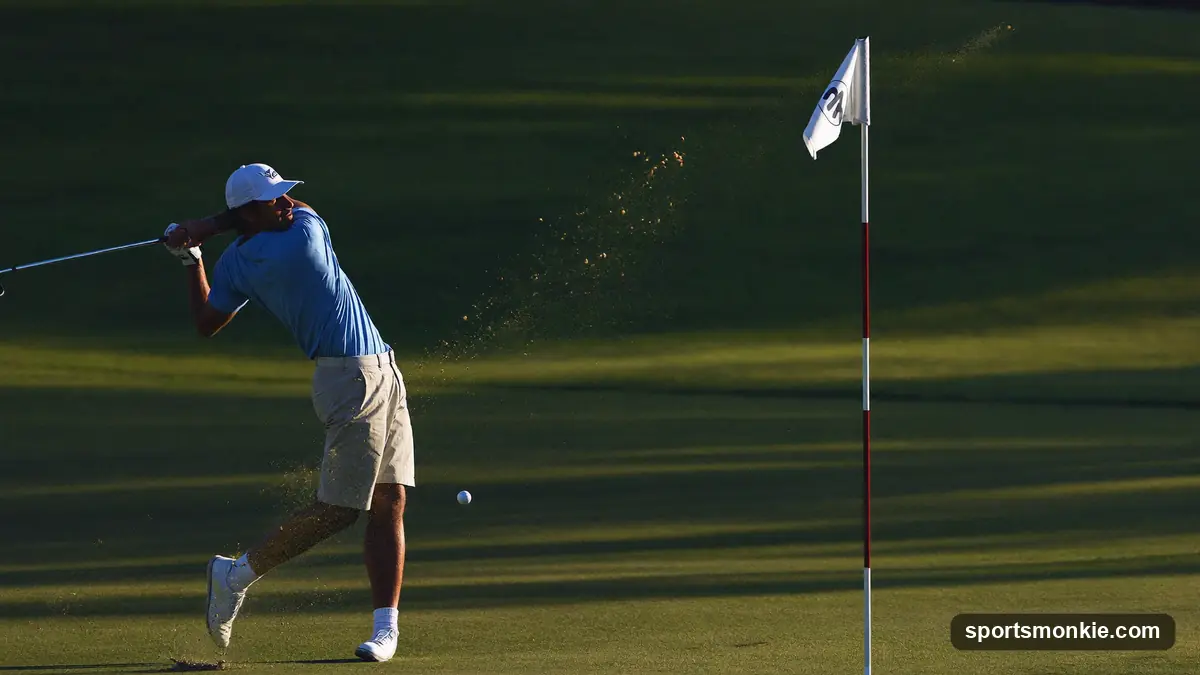
A stinger is a low, penetrating golf shot that flies flat, spins little, and rolls out a long way after landing. Hit with a long iron or driving iron, it stays under the wind instead of ballooning into it, which makes it a prized shot for accuracy off the tee. Tiger Woods made it iconic, though he did not invent it.
Think of it as a controlled, aggressive low ball. It is not a rescue shot from the trees; it is a deliberate weapon for finding fairways when the wind is up and the hole is tight.
Why the ball flies so low
Two things create a stinger: less loft at impact and less backspin. A player leans the shaft forward at contact, which delofts the clubface, and swings with a shorter, chasing finish that keeps spin down. The result launches low and refuses to climb.
Low launch plus low spin means the ball cuts through wind that would knock a normal shot sideways. It also lands flat and keeps running, so a stinger that carries shorter than your usual iron can finish further down the hole once it releases on firm turf.
Stinger vs punch shot vs normal shot
They all leave the same club face, but they do different jobs. This comparison sorts them out.
| Shot | Purpose | Swing length | Flight | Typical use |
|---|---|---|---|---|
| Stinger | Distance and control | Near full | Low, boring, long rollout | Tee shots in wind, tight holes |
| Punch shot | Escape / stay under trouble | Abbreviated | Low, shorter | Under branches, out of rough |
| Normal shot | Standard flight | Full | Higher, softer landing | Most approaches and drives |
The key split is intent. A punch is defensive, getting you safely back in play. A stinger is offensive, a shot you choose to attack a hole with precision.
Why Tiger Woods owns the shot
The stinger existed long before Tiger, with low-ball artists such as Lee Trevino known for keeping it under the wind. But Tiger’s 2-iron and long-iron stingers in the early 2000s, especially at links Opens, turned it into the shot every amateur wanted to copy.
His version paired a flat, laser trajectory with an unmistakable abbreviated finish, hands low and the clubhead chasing the target. It was reliable off the tee when a driver was too risky, and it became a signature of his ball-striking prime.
How to hit one (the short version)
This is an advanced move, but the recipe is simple to describe:
- Take a long iron or driving iron, not a wedge.
- Play the ball slightly back of center in your stance.
- Set your hands ahead of the ball, adding forward shaft lean.
- Favor your lead side and keep your weight forward through impact.
- Swing at around three-quarter effort and cut the follow-through short, keeping the hands and clubhead low.
Do not expect it in an afternoon. Ball-first contact with a delofted long iron is demanding, which is why it rewards good players and punishes poor strikers.
When to actually use one on the course
The stinger earns its place in specific situations, not as an every-hole default. Reach for it when:
- The wind is up. Into or across a stiff breeze, a low, low-spin flight holds its line where a normal shot gets thrown offline.
- The fairway is tight. On a narrow driving hole with trouble both sides, a controlled long iron off the tee finds short grass more reliably than a driver.
- The ground is firm and fast. Extra rollout turns a shorter carry into plenty of total distance.
It is the wrong shot in soft conditions or when you need to carry a hazard and stop the ball quickly, since it lands hot and runs. Knowing when not to hit it is as valuable as the technique itself.
The amateur reality
Be honest about your level before you build a range routine around it. A clean stinger demands consistent ball-first contact with a low-lofted club, which most mid and high handicappers do not yet have. Chasing it too early can groove a steep, thin strike that hurts the rest of your game.
A more useful version for most golfers is a controlled three-quarter long iron or hybrid, hit with a slightly abbreviated finish. You lose the pure boring flight but gain a repeatable low shot you can actually trust when the wind blows. Build the strike first; the highlight-reel stinger can come later.
Where the stinger fits your game
If you are still working on solid contact, spend your practice time elsewhere first. A reliable low-running shot only helps once you strike long irons cleanly, so building a repeatable swing matters more than chasing a highlight-reel shot. Our guide to draw vs fade in golf covers the shot shapes worth learning before this one, and shallowing the golf club helps the ball-first strike a stinger demands.
For the wider vocabulary of ball flights and lies you will meet on course, what is a flyer lie in golf explains the opposite problem, a shot that flies too far with too little spin.
Learn it when your strike is ready, and the stinger becomes the shot you reach for when the wind blows and the fairway shrinks.
Frequently asked questions
What club is best for a stinger?+
A long iron or a driving (utility) iron is the classic choice, most famously a 2-iron or 3-iron, because their low loft naturally produces a boring flight. Some players hit a stinger with a 4-iron or even a strong hybrid. Wedges and short irons have too much loft to keep the ball flat, so they are the wrong tools for it.
What is the difference between a stinger and a punch shot?+
A punch shot is a shorter, defensive stroke to escape trouble or stay under branches, usually with an abbreviated swing. A stinger is an aggressive, near-full swing built for distance and control, typically off the tee. Both fly low, but the punch prioritises getting the ball back in play while the stinger is a weapon for accuracy.
Is a stinger good in golf?+
In the right hands it is excellent for windy conditions and tight driving holes, because a low, low-spin flight resists gusts and finds fairways. But it is one of the hardest shots to hit well and offers little carry, so it is not a shot most beginners or high handicappers should rely on until their strike is very consistent.
Why does a stinger roll out so far?+
Because it launches low with very little backspin, so it lands at a shallow angle and keeps running rather than stopping. On firm fairways that can add substantial yardage, which is why players use it for total distance and control off the tee even though its carry is shorter than a normal shot.
Sources
Play & tools
Free browser games and tools — no account, no download.
- Play today's Sports Connections — Today's Sports Connections — daily hints, answers, and play the grid.
- Play Guess the NFL Player — A new mystery NFL player every day. Eight guesses, with a clue on each — plus free unlimited mode.
- Explore all our games →
Related golf guides
View all →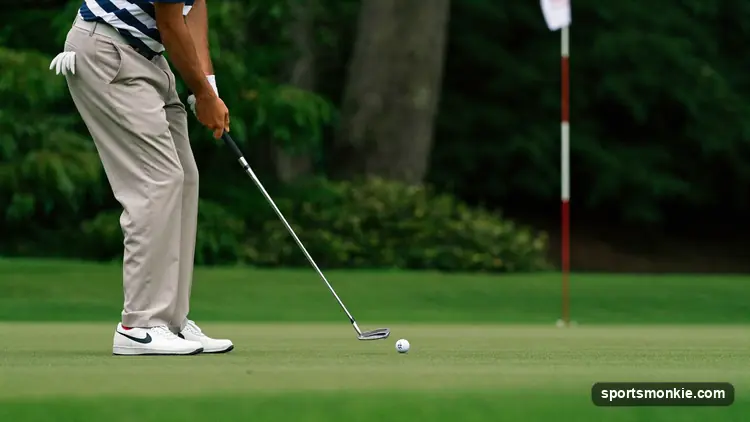
The Bump and Run: Golf's Highest-Percentage Short-Game Shot
The bump and run flies low and rolls to the hole like a putt. Here is the best club to use, when to play it over a chip or flop, and how to hit it.
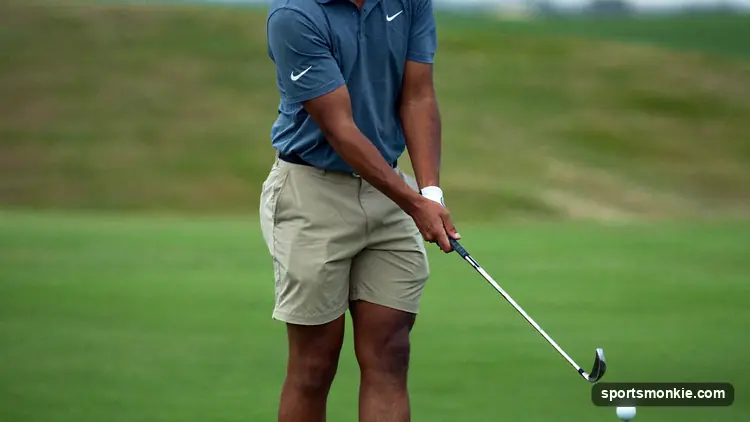
What Is a Tight Lie in Golf? How to Play It
A tight lie is a ball sitting on firm, closely mown turf with little grass underneath. Move the ball back, hands ahead, and strike ball-first. Here is how to play every lie.
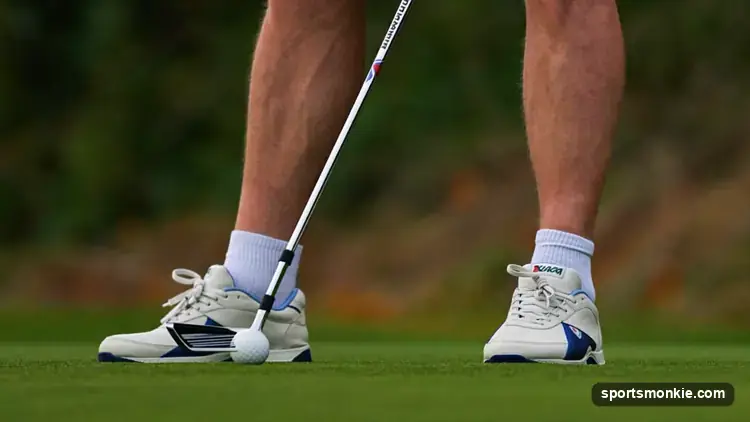
Over the Top Golf Swing: Why It Causes Your Slice
An over the top golf swing throws the club outside the line, cutting across the ball. What it means, why it slices, and the drills that fix it.
The Single Plane Golf Swing: Moe Norman's Method
The single plane golf swing, made famous by Moe Norman and taught by Todd Graves, keeps the club and lead arm on one line. How it works and who it suits.

Stack and Tilt Golf Swing: The Method Explained
The stack and tilt golf swing keeps weight forward all swing for centered contact. How the Bennett-Plummer method works, its costs, and who it helps.
Strong vs Weak Golf Grip: What Each Does to Ball Flight
Strong vs weak golf grip: a strong grip closes the face for a draw, a weak grip opens it for a fade. What each does to ball flight, and which to use.