
Draw vs Fade: The Difference and Which to Play
On this page6
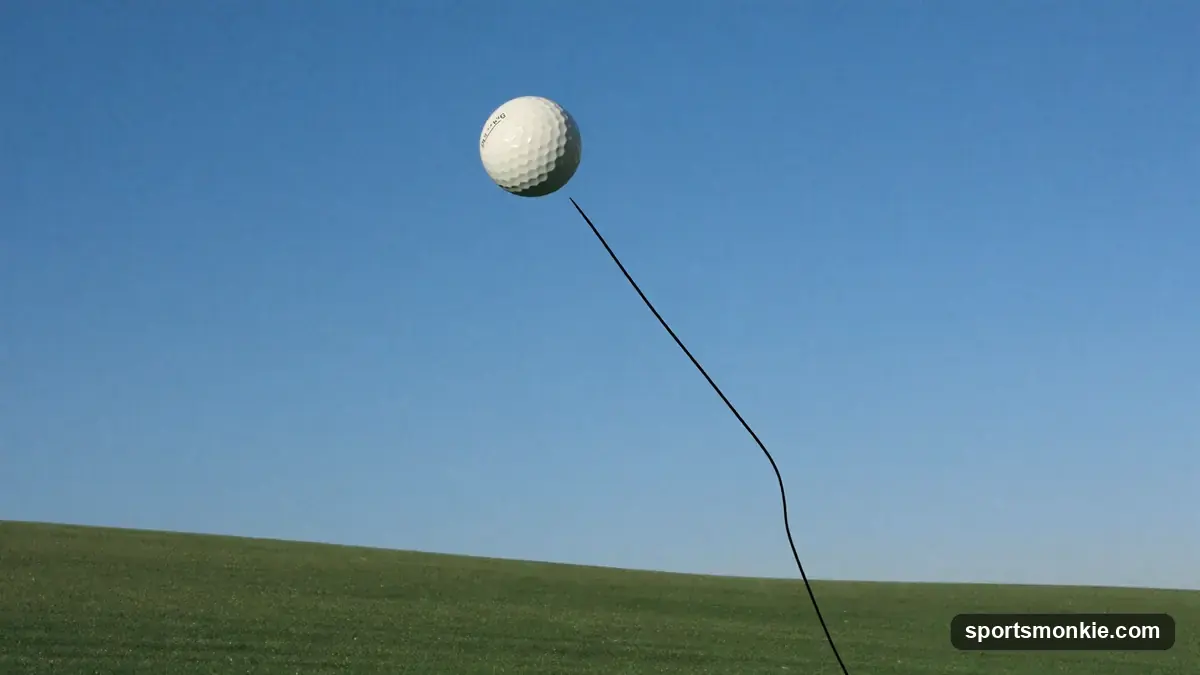
A draw curves gently right-to-left (for a right-hander) and tends to fly lower with more roll and distance. A fade curves left-to-right, flies a touch higher, and lands softer with more control. Both are controlled, intentional shots, not the slice and hook that ruin scorecards. For most amateurs and plenty of pros, a repeatable fade is the smarter stock shot, because a mistimed fade is a small miss while a mistimed draw becomes a hook.
Every golfer eventually wants to shape shots on purpose. The first step is knowing what actually separates the two, and it is less about mystique than about path, face, and spin.
What makes a draw and a fade
Both shapes come from the same two ingredients: your club path and your clubface angle at impact. The face controls where the ball starts; the path relative to that face controls which way it curves, the modern ball-flight understanding that launch monitors like FlightScope confirmed.
- Draw: an in-to-out club path with the face slightly closed to that path. The ball starts right of target and curves back left.
- Fade: an out-to-in path with the face slightly open to that path. The ball starts left of target and curves back right.
The key word in both is “slightly.” Widen the gap between path and face and a draw becomes a hook, a fade becomes a slice. Shot shaping is control of a small mismatch, not a big one.
Draw vs fade compared
| Feature | Draw | Fade |
|---|---|---|
| Curve (right-hander) | Right-to-left | Left-to-right |
| Club path | In-to-out | Out-to-in |
| Face vs path | Slightly closed | Slightly open |
| Ball flight | Lower, more penetrating | Higher, softer landing |
| Distance | Slightly more (more roll) | Slightly less |
| Control | Harder to control, runs out | Easier to control, stops fast |
| Bad-day miss | Hook | Slice |
| Best for | Distance, into the wind, dogleg-left | Accuracy, holding greens, dogleg-right |
| Who tends to play it | Power players seeking yardage | Accuracy-first players, many tour pros |
Kill one myth: the draw does not have topspin
You will read everywhere that a draw runs out because it carries topspin. It does not. A golf ball struck with any normal iron or driver is spinning backwards, always; topspin would nosedive the ball into the ground. A draw travels a little further because the in-to-out path and slightly closed face lower the spin loft, so the ball launches with less backspin and a flatter, more penetrating flight that rolls out more on landing. The extra distance is real, but the cause is lower spin, not forward spin. Getting this right matters, because chasing “topspin” leads golfers to hit down and across the ball, which does the opposite of what they want.
Which shot shape should you play?
Here is where I will plant a flag: for most amateurs, a slight fade is the safer, smarter stock shot.
The reason is the miss. Nearly all recreational golfers already swing slightly out-to-in, so a controlled fade works with their natural tendency instead of fighting it. Just as important, the bad version of a fade is a slice that leaks a bit right, an annoyance. The bad version of a draw is a hook that dives left into trouble, a card-wrecker. When you are building a shot you can trust under pressure, the shape with the smaller penalty for a mistake wins. That is why so many of the game’s best ball-strikers, including a long line of major champions, have played a fade as their bread-and-butter shot.
Play a draw if you specifically need distance, you are fighting into the wind, or the hole doglegs left and a fade would run through the fairway. Play a fade the rest of the time. And if you slice rather than fade, the fastest route to a controlled shape is not a swing overhaul but a grip change: our strong vs weak golf grip guide shows how a small adjustment turns an open-faced slice into a repeatable shape.
How to start shaping shots
You do not need a full swing rebuild to shape the ball. The simplest on-course method is to adjust your setup: aim your body slightly right and swing along your body line for a draw, aim slightly left and hold the face for a fade, then let the small path-to-face gap do the curving. Practice one shape until it is reliable before you try to hit both on demand. A player who owns one dependable shot shape beats one who owns two unreliable ones.
If your ball-striking is too inconsistent to shape anything yet, fix the fundamentals first. Make sure your equipment is not holding you back with our guides to golf clubs for beginners and, if your curve is really an over-the-top slice, our fix for the over the top golf swing.
The bottom line
A draw curves right-to-left for a little more distance and roll; a fade curves left-to-right for more control and a softer landing. Both are the good, intentional cousins of the hook and slice, and both come down to a small, managed gap between path and face. Chase distance with a draw when the hole demands it, but for a stock shot you can rely on when it matters, a controlled fade is the pick for most golfers, HackMotion’s shot-shape breakdown included.
Frequently asked questions
Is a draw or fade better?+
Neither is better outright; it depends on your priorities. A draw typically produces more distance and roll, so it suits players chasing yardage. A fade lands softer and is easier to control, so it suits players who value accuracy and holding greens. Most tour players and most amateurs are better served by a reliable fade than a hard-to-control draw.
Which is easier to hit, a draw or a fade?+
For most amateurs a fade is easier and safer. The vast majority of recreational golfers already swing out-to-in, which naturally produces a fade, so a controlled fade works with their tendency rather than against it. A draw requires an in-to-out path many amateurs struggle to groove, and a mistimed draw becomes a hook.
Does a draw go further than a fade?+
Usually by a small margin, and not for the reason most people think. A draw does not have topspin; every well-struck golf shot has backspin. A draw flies further mainly because the in-to-out path and slightly closed face reduce spin loft and deliver a touch more speed, so the ball launches lower-spinning and rolls out more. The difference is often just a few yards.
What is the difference between a draw and a hook?+
It is a matter of degree and control. A draw is a gentle, intentional right-to-left curve of a few yards that finishes on target. A hook is a sharper, usually unintended curve that keeps turning left and misses well offline. A draw helps you; a hook hurts you. The same in-to-out path produces both, depending on how closed the face is.
Sources
Play & tools
Free browser games and tools — no account, no download.
- Play today's Sports Connections — Today's Sports Connections — daily hints, answers, and play the grid.
- Play Guess the NFL Player — A new mystery NFL player every day. Eight guesses, with a clue on each — plus free unlimited mode.
- Explore all our games →
Related golf guides
View all →
Strong vs Weak Golf Grip: What Each Does to Ball Flight
Strong vs weak golf grip: a strong grip closes the face for a draw, a weak grip opens it for a fade. What each does to ball flight, and which to use.

Cost to Play Pebble Beach Golf Links
What does it cost to play Pebble Beach? As of 2025 the green fee is roughly $675+ per round, plus cart and caddie. Full breakdown and how to book.
Wolf Golf Game Rules: How to Play and Score
Wolf golf game rules: how the Wolf rotates, picks a partner or goes Lone Wolf, plus a simple points scoring system and 3-man Wolf explained.
Interlock vs Overlap Grip: Which Should You Use?
Interlock locks the pinky and index finger together; overlap rests the pinky on top. Interlock suits smaller hands, overlap suits most players. Here is how to choose.
Low Compression Golf Balls: Who Should Play Them and Why
Low compression golf balls (roughly 70 and under) suit slower swing speeds, seniors and beginners with a softer feel. See who should play them and top models.

Spikeless vs Spiked Golf Shoes: Which to Buy
Spikeless vs spiked golf shoes: spikeless win on comfort and versatility, spiked on grip and wet-weather traction. Here is which pair most golfers should buy.