
Golf Clubs for Beginners: What You Actually Need to Start

On this page9
- 01How many golf clubs does a beginner actually need?
- 02What should actually be in a beginner’s first golf bag?
- 03Full 14-club set or a smaller starter set: which should you buy?
- 04Beginner golf club sets compared by budget
- 05What about grip size, shaft flex, and left-handed or junior sets?
- 06Should you buy new or used golf clubs as a beginner?
- 07Do beginners need a golf club fitting?
- 08Is renting or borrowing clubs better before you buy?
- 09The biggest mistake beginners make buying golf clubs
A beginner needs 7 to 10 forgiving clubs, not a full 14-club bag: a driver, one fairway wood or hybrid, mid-irons from about 6 to 9, a pitching wedge, a sand wedge, and a putter. That combination plays every shot a new course throws at you while your swing is still forming. A decent starter package set covers all of it for $200 to $500 in the US, roughly £180 to £380 in the UK, AU$350 to AU$700, or CA$300 to CA$650, and used sets or a month of rental clubs cut that further. The one mistake nearly every new golfer makes is buying more clubs, and pricier ones, than their swing can use yet.
How many golf clubs does a beginner actually need?
The USGA’s Rule 4 caps every golfer, from tour pro to first-timer, at 14 clubs in the bag during a round. That number is a ceiling, not a target. It has applied since 1938 and exists to stop players from carrying a specialty club for every conceivable lie, not to tell beginners what to buy.
Dick’s Sporting Goods’ own coaching guide narrows a first bag down to a driver, an iron set, a wedge, and a putter, and that is roughly the right shape. Fewer clubs means fewer decisions on the course and more repetitions with each one, which is exactly what a beginner’s swing needs. Carry 14 clubs before you can consistently hit 7, and half of them just add weight to the bag.
What should actually be in a beginner’s first golf bag?
Build the bag around distance gaps you can cover, not a spec sheet. A workable first set looks like this:
- Driver with extra loft, typically 10.5° to 12°, to help get the ball airborne with an inconsistent swing.
- One fairway wood or hybrid in place of long irons. Golf Insider UK’s PGA-pro-tested review is blunt about this: hybrids launch higher and forgive mishits far better than a 3-iron or 4-iron ever will. If you prefer a wood, compare a 3 wood with a 5 wood before choosing one. If you prefer a wood, compare a 3 wood with a 5 wood before choosing one. If you prefer a wood, compare a 3 wood with a 5 wood before choosing one.
- Mid-irons, roughly 6 through 9, for approach shots inside 150 yards.
- One wedge (pitching or sand) for short greenside shots and bunkers. Our beginner golf wedge guide explains which lofts cover those first short-game gaps. Our beginner golf wedge guide explains which lofts cover those first short-game gaps. Our beginner golf wedge guide explains which lofts cover those first short-game gaps.
- A putter, ideally mallet-style, since its larger head steadies a beginner’s stroke better than a thin blade.
That is seven or eight clubs, and it is enough to play and score on a full 18 holes. A second wedge, extra hybrid, or full iron run from 4 through 9 can wait until you know which gaps you are actually missing.
Full 14-club set or a smaller starter set: which should you buy?
Most beginners default to a “complete” boxed set because it feels like the safe, thorough choice. It usually isn’t the best one. A 7 to 10 club starter set costs less, weighs less to carry, and matches how few clubs a new player can control anyway. Package sets marketed as “complete” often pad the count with a second wedge or extra iron you will not touch for months.
Buy the smaller set, play 10 to 15 rounds, and let your actual misses tell you what to add. Struggling from 180 to 220 yards points to a stronger hybrid. Missing every bunker points to a dedicated sand wedge. That is a cheaper and more accurate way to fill out 14 slots than guessing up front.
Beginner golf club sets compared by budget
| Tier | What you get | US | UK | AU | CA |
|---|---|---|---|---|---|
| Rent or borrow | Course-supplied clubs, no purchase | $25–$75/round | £15–£40/round | AU$35–$80/round | CA$25–$60/round |
| Entry package set (7–12 pieces) | Driver, wood/hybrid, irons, wedge, putter, stand bag | $200–$350 | £180–£260 | AU$350–$500 | CA$300–$450 |
| Mid-range package set (12–15 pieces) | Newer shaft/head tech, better bag, extra iron/wedge | $350–$500 | £260–£380 | AU$500–$700 | CA$450–$650 |
| Quality used, name-brand set | 3-to-5-year-old irons/driver from a major maker | $150–$300 | £120–£220 | AU$250–$450 | CA$200–$380 |
Prices are for a typical men’s or women’s right-hand package set as of 2026, per Golf Monthly’s current testing and major retailer listings; expect swings around sales periods and left-hand or junior sizing. A handful of tech-loaded package sets, Cobra’s Fly-XL cart-bag set among them, list close to $999 new. That buys refinements most beginners will not notice yet, so it belongs on your upgrade list, not your first purchase. For most first-time buyers, the entry or mid-range package set is the right call, and it is the used-premium tier that gets skipped too often when it shouldn’t be.
What about grip size, shaft flex, and left-handed or junior sets?
These three details matter more to a beginner than brand names do, and they are easy to get wrong buying off the rack. Use a golf grip size chart as a starting point: a grip that is too thin lets the club twist in your hands and encourages a hook, one that is too thick can suppress the wrist action you need for distance. Golf shaft flex should match swing speed, not ego. Most recreational men land in regular flex and most recreational women in ladies or senior flex; a stiff shaft bought because it “sounds better” makes off-center strikes worse, not more powerful.
Left-handed golfers and juniors have a smaller but real market. Left-hand package sets exist from every major beginner brand (Callaway, Wilson, Cobra), though selection thins out below the mid-range tier, so budget an extra 10 to 15 percent if you are shopping left-handed on a tight timeline. Junior sets are sized by height rather than age, and a club that is even an inch too long forces a young player into a swing they will have to unlearn later.
Should you buy new or used golf clubs as a beginner?
Used, in most cases. GOLF.com’s Gear Guy column puts it plainly: spending heavily on brand-new gear rarely improves a beginner’s game as much as lessons and practice do, and a good used set from a major manufacturer performs close to identical to the newest model at 40 to 50 percent of the price.
Not every club ages the same way, though:
- Wedges: buy new. Grooves wear down with use, and worn grooves cost you spin and stopping power on short shots.
- Putters: buy used without hesitation. Putter technology barely changes generation to generation, so a 10-year-old mallet performs the same as this year’s model.
- Irons and drivers: 3 to 5-year-old models from Callaway, TaylorMade, Titleist, Ping, or Cobra hold their performance well; the technology gap between generations is smaller than the marketing suggests.
Do beginners need a golf club fitting?
Not immediately, but sooner than most people assume. GOLF.com’s reporting on beginner fittings lands on a clear middle ground: a brand-new golfer’s swing changes too fast in the first two or three months for a full data-driven fitting to hold up, but skipping fitting basics entirely lets a beginner fight equipment that is actively working against them.
The fix is a basic fitting, not a full one, once you have taken a handful of lessons or played 5 to 10 rounds. At that stage, get three things checked: club length, shaft flex, and grip size. Those three cause more mishits in new golfers than swing flaws do, and correcting them is inexpensive at most golf retailers.
Is renting or borrowing clubs better before you buy?
If you have not committed to the sport yet, yes. Course rental typically runs $25 to $75 a round in the US, cheaper on weekday afternoons and twilight tee times, and most public courses stock a serviceable set. That is a fraction of even an entry-level starter set, and it lets you find out whether you will actually keep playing before you own anything.
Once you are booking tee times weekly and taking lessons, buying stops being a gamble. That is the point to move from rented clubs into your own entry or mid-range package set, fitted for length and flex once your swing has settled a little.
The biggest mistake beginners make buying golf clubs
Buying gear before taking lessons. A brand-new driver or a full 14-club set will not fix a swing that has not been taught yet, and an expensive set with the wrong shaft flex can bake in bad habits that a coach then has to unwind. Spend the first few weeks of lessons in a rented or borrowed set, then put your money into a starter package once you know your swing speed and your actual misses. That single sequencing decision saves more money, and more frustration, than any specific club choice on this page.
A close second: chasing a low score before you can reliably make contact. New golfers often reach for a low-lofted driver or a blade-style iron because a better player uses one, then wonder why every shot balloons or skitters along the ground. Forgiving, high-lofted, cavity-back gear is not a beginner tax you grow out of. It is the tool that matches where your swing actually is right now, and every serious player used something similar before they earned the harder equipment. Track how those early rounds go, whether you are carding a string of bogeys or worse, and let the scorecard, not the pro shop, tell you when it is time to upgrade.
Once you are tracking real scores, our guide to how the golf handicap system works explains how those numbers turn into a fair way to compete against better players. For the full range of gear, learning, and course guides, visit our golf hub.
Frequently asked questions
How many golf clubs does a beginner actually need?+
Seven to ten. The USGA's 14-club rule sets the maximum you can carry in competition, not the minimum you need to play. A beginner set of driver, one fairway wood or hybrid, mid-irons from 6 to 9, a wedge, and a putter covers every shot on a real course while you learn.
Is it cheaper to buy new or used golf clubs as a beginner?+
Used is cheaper and usually the smarter first buy. A quality used iron set or driver from three or four years ago performs almost identically to a current model and can cost 40 to 50 percent less. Buy wedges new, since worn grooves lose spin, and putters are safe to buy used at any age.
Should a beginner buy a full 14-club set or a smaller starter set?+
A smaller 7 to 10 club starter set is usually the better first buy. It costs less, is easier to carry, and forces you to learn to work the ball with fewer options. You can add a second wedge, a hybrid, or extra irons once you know which shots you are actually missing.
Do beginners need a golf club fitting?+
Not on day one, but soon after. A brand-new golfer's swing changes fast in the first few months, so a full custom fitting is premature. Once you have taken some lessons or played 5 to 10 rounds, a basic fitting for club length, shaft flex, and grip size prevents bad habits from forming.
What is the most important club for a beginner to get right?+
The putter, because it is used on every single hole and has the biggest direct effect on your score. A mallet-style putter with a larger head is more forgiving of a shaky beginner stroke than a thin blade. After the putter, a forgiving driver with extra loft matters most.
Is it better to rent golf clubs before buying a set?+
Yes, if you have not committed to the sport yet. Course rental runs roughly $25 to $75 a round in the US, and most public courses carry a serviceable set. Renting or borrowing for your first month of lessons costs less than a starter set and confirms you will keep playing before you buy anything.
Sources
- USGA – Rules on Clubs (Rule 4, 14-club limit)
- Dick's Sporting Goods Pro Tips – Essential Golf Clubs for Beginners
- Golf Insider UK – Best Golf Clubs for Beginners, Tested by a PGA Pro
- GOLF.com Gear Guy – Should a Beginner Buy New or Used Golf Clubs?
- GOLF.com – Should Beginners Get a Club Fitting?
- Golf Monthly – Best Golf Club Sets for Beginners 2026
Play & tools
Free browser games and tools — no account, no download.
- Play today's Sports Connections — Today's Sports Connections — daily hints, answers, and play the grid.
- Play Guess the NFL Player — A new mystery NFL player every day. Eight guesses, with a clue on each — plus free unlimited mode.
- Explore all our games →
Related golf guides
View all →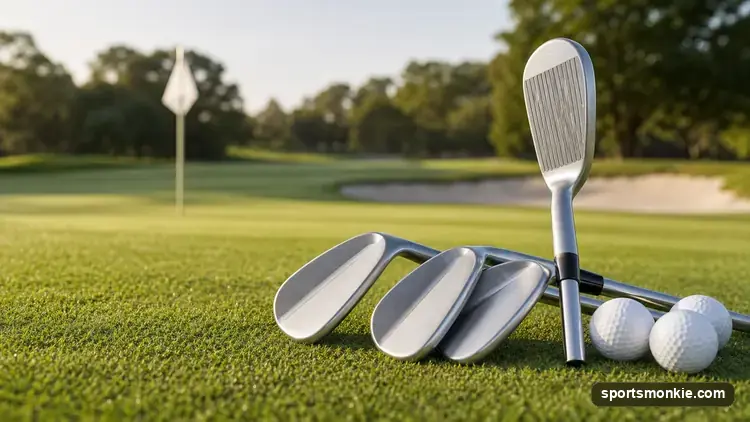
Golf Wedges for Beginners: Which Ones You Actually Need
Beginners need a pitching wedge and a sand wedge, not all four. Here's the loft, bounce, and 2026 price breakdown that tells you what to buy next.
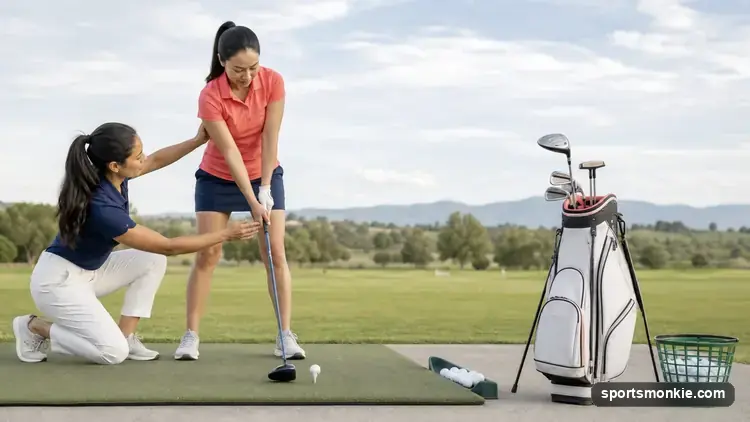
Women's Golf Clubs for Beginners: What Actually Matters
Women's golf clubs for beginners come down to shaft flex, length, and grip size, not the paint job. 2026 starter-set prices and honest fitting advice.
3 Wood vs 5 Wood: Which Fairway Wood Do You Actually Need?
3 wood vs 5 wood: the 5 wood's extra loft makes it easier to hit off the deck, and most amateurs get similar distance. Here is the data.
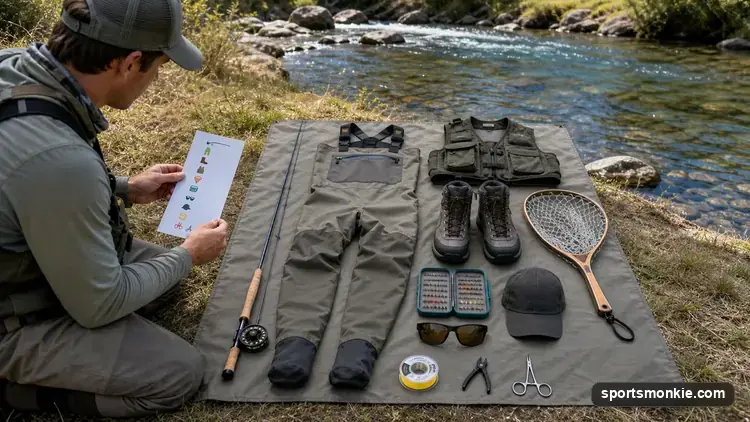
Fly Fishing Gear for Beginners: What You Actually Need
Fly fishing gear for beginners beyond the rod: waders, boots, tools, and a 4-fly starter kit, with real combo prices for the US, UK, AU, and CA.
Portable Golf Launch Monitors: What Actually Matters
What a portable golf launch monitor really measures, 2026 prices from $200 to $2,500, and which metrics are marketing fluff versus real data.
Golf Grip for Beginners: How to Hold the Club Correctly
A beginner's golf grip starts with the lead hand: place the club in your fingers, not your palm, so you see two knuckles at address. Here is the step-by-step method, grip styles, and the faults to avoid.