
Pole Positions at the Las Vegas Grand Prix: F1 on the Strip
On this page5
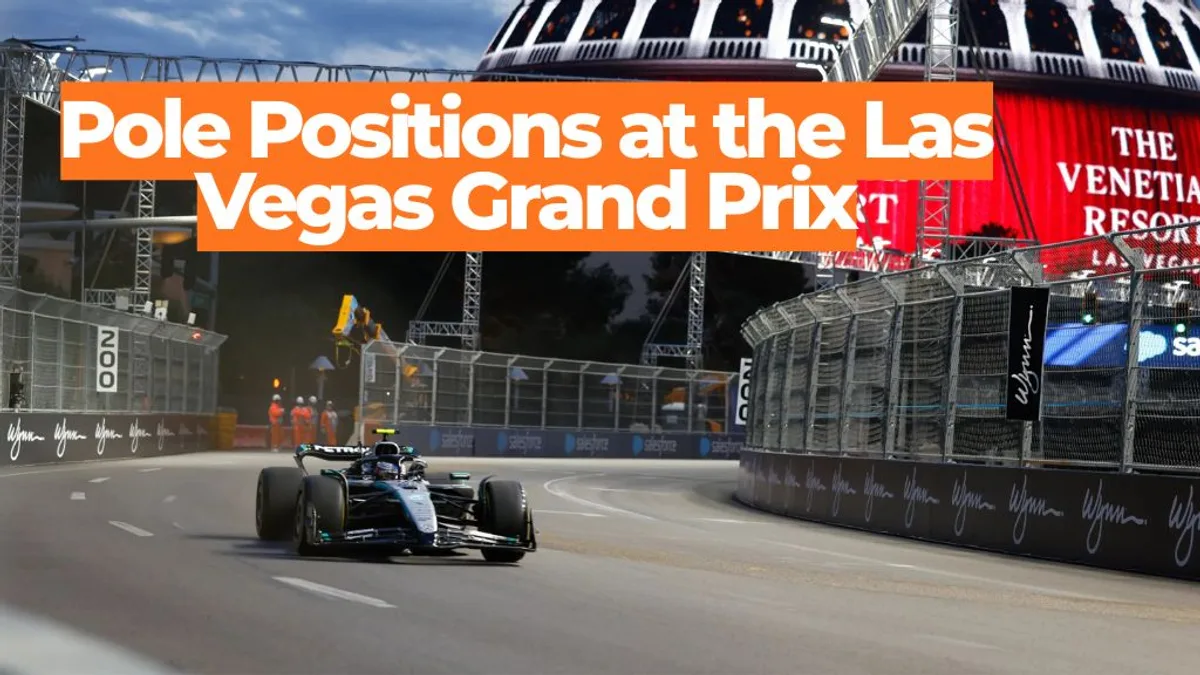
Carlos Sainz put Ferrari on pole for the first Las Vegas Grand Prix in November 2023, and the lap mattered more than usual. On a track built around long straights and freezing tyres after dark, starting first isn’t just nice to have, it’s the difference between controlling the race and getting swallowed in the first braking zone.
Background: F1 Returns to Las Vegas
F1’s history in Las Vegas is not a good one. A street circuit ran races in 1981 and 1982 through the car park at Caesars Palace, and both are remembered as forgettable, cramped, and a little embarrassing for the sport. The 2023 return had nothing in common with that. This was a purpose-built circuit threading past the Strip’s biggest hotels, raced at night under floodlights, with a production budget to match the spectacle.
Formula 1 promotes this race itself, rather than handing it to a third party, which tells you how much the sport is banking on the North American market. It now sits alongside Austin and Miami as the third US round on the calendar.
The Las Vegas Street Circuit
Compared to Monaco or Singapore, the layout here is fairly simple: long, flat straights rather than a maze of tight corners.
| Circuit Feature | Detail |
|---|---|
| Lap length | Approximately 6.12 km (3.8 miles) |
| Race direction | Counter-clockwise |
| Surface | Freshly laid asphalt (for 2023 debut) |
| Key challenge | Cold night temperatures, tyre warm-up |
| Signature element | High-speed blast past the Sphere and casino hotels |
| Laps in race | 50 |
Those straights put a premium on power unit performance and top speed, but the slower chicanes and tight corners still reward a car with good mechanical grip and clean traction out of the bends.
Pole Position History
2023 — Carlos Sainz (Ferrari)
Qualifying at the revived venue ended in a Ferrari front-row lockout, Sainz just ahead of teammate Charles Leclerc. Ferrari’s straight-line speed and a setup that suited the cool track surface gave them the edge. Max Verstappen, already champion before the weekend even started, qualified further back after a rough session.
The race itself had early safety cars and tyre management drama that reshuffled the order more than once. Sainz’s pole showed the circuit could produce a real fight, even in a season Red Bull otherwise dominated.
What Determines Pole at Las Vegas?
A few things make qualifying here different from most other rounds.
Night-time temperatures. Desert air cools fast after dark in November, and track temperatures drop with it. Tyres need longer to reach their working range, and a driver who overheats them at the wrong point in a lap can lose grip without warning.
Power unit performance. Long straights favor raw horsepower. A team with an engine advantage can cover for small setup flaws just by carrying more speed down the Boulevard.
Single-lap precision. Like any street circuit, the walls sit close to the track. One small mistake on a flying lap means a crash or a big chunk of time lost from lifting. Drivers have to commit fully while still managing cold tyres through the whole lap.
DRS zones. Several drag-reduction zones make clean air even more valuable — slipstreaming helps in qualifying, but it also complicates things when cars are trying to stay out of each other’s way on a narrow street track.
Why Las Vegas Is a Polarising Race
Opinion on this event splits hard. Critics point to ticket prices that were among the steepest in F1 history for 2023, plus logistical headaches that hit fans on the ground, and argue the whole thing prioritizes spectacle over racing. Supporters point to the broadcast numbers and the setting itself as exactly the kind of marketing that keeps the sport growing commercially.
On pure racing merit, though, 2023 delivered real overtaking and genuine strategy variation. That’s more than plenty of street circuits manage.
Related guides
Frequently asked questions
Who took pole position at the first modern Las Vegas Grand Prix in 2023?+
Carlos Sainz of Ferrari took pole position at the inaugural 2023 Las Vegas Grand Prix, setting the fastest time in qualifying on the newly built Strip circuit.
How long is the Las Vegas Grand Prix circuit?+
The Las Vegas Street Circuit is approximately 6.12 kilometres (around 3.8 miles) per lap, making it one of the longer street circuits on the Formula 1 calendar.
Why is pole position especially important in Las Vegas?+
The Las Vegas circuit features long straights where top speed is critical, and the cold desert night temperatures make tyre warm-up tricky. Starting from pole reduces the risk of being caught in opening-lap incidents and allows the leader to control tyre management from the front.
Sources
Play & tools
Free browser games and tools — no account, no download.
- Play 24-0 — Draft an F1 chassis and two drivers, then chase a perfect 24-0 — win every race on the 24-round calendar.
- Explore all our games →
Related motorsport guides
View all →
What Is Pole Position in F1? How It's Decided
Pole position in F1 is first place on the starting grid, earned by setting the fastest lap in qualifying. It gives the cleanest line into turn one and a big advantage.
F1 Qualifying Format Explained: Q1, Q2 and Q3 Knockout
F1 qualifying is a three-part knockout — Q1 drops the slowest 5, Q2 drops 5 more, and Q3's 10 cars fight for pole. Here's how each session works.
F1's Fuel Flow Meter Supplier Is Sued Over a Patent Days Before the US Grand Prix
Sentronics, the FIA's former fuel flow meter supplier, has sued its replacement Allengra in Texas, claiming the sensors on every F1 car infringe its patent.
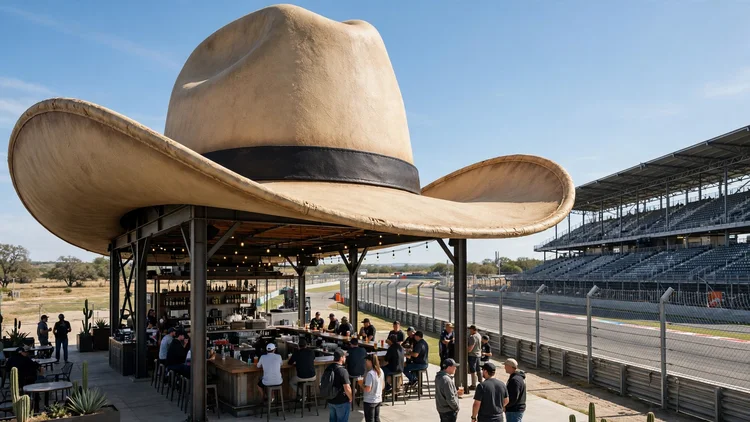
COTA Unveils the World's Largest Cowboy Hat, With a Bar Under It, Before the US Grand Prix
Circuit of the Americas and Tecovas unveiled a 47-foot cowboy hat on Monday, certified by Guinness World Records as the world's largest, with a bar underneath.
Antonelli Takes COTA Pole With Title on the Line as FIA Clears Delta-Time Investigation
Kimi Antonelli took pole for the United States Grand Prix at Austin, where a win plus help from Russell and Hamilton would make him F1's youngest champion.
Verstappen Keeps Singapore Sprint Pole After Stewards Find a Yellow-Flag Breach but No Penalty
Max Verstappen breached the yellow-flag rule passing Lewis Hamilton in Singapore sprint qualifying, but the stewards imposed no penalty and he keeps pole.