
Most F1 Pole Positions
On this page5
Lewis Hamilton holds the Formula 1 record for the most pole positions, with 104, and is the only driver ever to pass 100. That total sits well clear of Michael Schumacher’s 68, a margin that underlines Hamilton’s status as the fastest qualifier the sport has produced.
Pole position, the first spot on the grid, is earned by setting the quickest lap in qualifying, so the record measures raw one-lap speed rather than race results. Reaching triple figures required both a dominant car and the ability to extract everything from it, week after week. Here is the full leaderboard of F1’s all-time pole leaders, the eras behind them, and why Hamilton’s mark stands so far ahead. All figures are as of the 2025 season.
The record holder: Lewis Hamilton and 104 poles
Hamilton’s pole tally climbed fastest during Mercedes’ era of dominance from 2014 onward, when the team frequently had the quickest car over a single lap and Hamilton consistently delivered on Saturdays. Added to strong qualifying years at McLaren, that run carried him past Schumacher and beyond the 100 barrier, a milestone that had long looked out of reach.
The record’s scale is what secures it. At more than 30 poles clear of the field, it would take another driver a decade of qualifying supremacy to close the gap, a run that has become harder in a more competitive grid.
The full leaderboard of F1 pole positions
The table below ranks drivers by career pole positions. Active drivers are noted.
| Rank | Poles | Driver | Era |
|---|---|---|---|
| 1 | 104 | Lewis Hamilton* | 2007-present |
| 2 | 68 | Michael Schumacher | 1991-2012 |
| 3 | 65 | Ayrton Senna | 1984-1994 |
| 4 | 57 | Sebastian Vettel | 2007-2022 |
| 5 | 40 | Max Verstappen* | 2015-present |
| 6 | 33 | Jim Clark | 1960-1968 |
| 7 | 33 | Alain Prost | 1980-1993 |
| 8 | 32 | Nigel Mansell | 1980-1995 |
| 9 | 30 | Nico Rosberg | 2006-2016 |
| 10 | 29 | Juan Manuel Fangio | 1950-1958 |
The list runs from Fangio in the sport’s earliest years to Verstappen in the current era. Hamilton is the only active driver near the top, while Verstappen headlines the modern chase from fifth.
Senna and the qualifying specialists
Ayrton Senna’s 65 poles came in only 11 seasons, giving him one of the highest pole rates in history and a reputation as perhaps the greatest single-lap driver of all. Michael Schumacher’s 68 and Sebastian Vettel’s 57 fill out the group behind Hamilton, all of them multiple world champions. For the race-win side of greatness, see our leaderboards for the most F1 wins of all time and the most F1 world championships.
Verstappen and the active chase
Max Verstappen leads active drivers on poles but remains far behind Hamilton, reflecting how much ground the record demands. His qualifying strength during Red Bull’s recent dominance has moved him up the list, and as a driver in his prime he is the clearest long-term threat, even if the mark is safe for now. For how qualifying feeds into the season, see our guide to the F1 points system.
Why the record matters
Pole positions measure pure speed over one lap, the sharpest test of a driver and car combination. Hamilton’s 104 reflect both the best machinery of his era and the consistency to convert it, which is why he stands alone above 100. For the wider debate on driver greatness, see our ranking of the greatest Formula 1 drivers.
The short version: Lewis Hamilton holds the F1 record for the most pole positions with 104, well ahead of Michael Schumacher (68) and Ayrton Senna (65). Max Verstappen leads active drivers. As of the 2025 season, Hamilton is the only driver ever to reach 100 poles.
Frequently asked questions
Who has the most pole positions in F1 history?+
Lewis Hamilton has the most F1 pole positions, with 104, and is the only driver to have passed 100. Michael Schumacher is second with 68 and Ayrton Senna third with 65. Hamilton set most of his poles during his dominant Mercedes years. All figures are as of the 2025 season.
What is a pole position in Formula 1?+
A pole position is the first spot on the starting grid, awarded to the driver who sets the fastest lap in qualifying. Starting from pole is a significant advantage because the driver leads into the first corner with clear track ahead. The pole record measures qualifying speed rather than race wins, though the two are closely linked.
How did Lewis Hamilton reach 104 poles?+
Lewis Hamilton set most of his 104 poles during Mercedes' dominant era from 2014 to 2020, when the team's car was often the fastest over a single lap. Combined with strong qualifying years earlier at McLaren, that run pushed him past Michael Schumacher's previous record and beyond 100, a milestone no other driver has reached.
Can Max Verstappen break the F1 pole record?+
It would take many years. Max Verstappen leads active drivers but sits far behind Hamilton's 104, and closing a gap of that size requires sustained qualifying dominance across multiple seasons. As a driver in his prime, he is the most likely long-term challenger, but the record is not under immediate threat.
Sources
Play & tools
Free browser games and tools — no account, no download.
- Play 24-0 — Draft an F1 chassis and two drivers, then chase a perfect 24-0 — win every race on the 24-round calendar.
- Explore all our games →
Related motorsport guides
View all →
Pole Positions at the Las Vegas Grand Prix: F1 on the Strip
The Las Vegas Grand Prix brought Formula 1 back to the famous Strip circuit. See pole position history and what makes qualifying around Las Vegas unique.
F1's Fuel Flow Meter Supplier Is Sued Over a Patent Days Before the US Grand Prix
Sentronics, the FIA's former fuel flow meter supplier, has sued its replacement Allengra in Texas, claiming the sensors on every F1 car infringe its patent.
F1 Restores 305km Race Distance in 2028 After One Season at 290km
The FIA's published 2027 regulations restore the 305km grand prix distance from 2028. The 290km cut lasts one season. Here is the timeline and the engine changes behind it.
Fred Lorenzen Diagnosed With Stage 3 CTE, the First Confirmed Case in a NASCAR Driver
Boston University researchers diagnosed Fred Lorenzen with stage 3 CTE, the first confirmed case in a NASCAR driver. His family gave $1 million and set up a helpline for drivers.
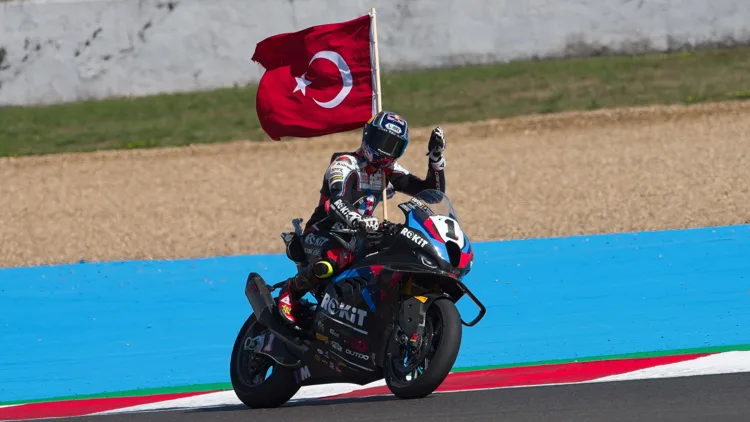
Razgatlioglu's First MotoGP Season Is Over: Shoulder Surgery Rules Him Out Until 2027
Toprak Razgatlioglu will miss Phillip Island and the rest of the 2026 MotoGP season. Shoulder surgery on Oct 26 ends his first year with Pramac, and Augusto Fernandez steps in.
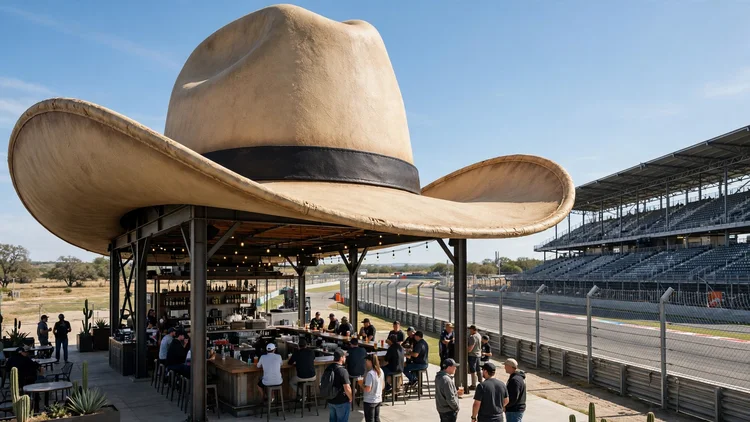
COTA Unveils the World's Largest Cowboy Hat, With a Bar Under It, Before the US Grand Prix
Circuit of the Americas and Tecovas unveiled a 47-foot cowboy hat on Monday, certified by Guinness World Records as the world's largest, with a bar underneath.