
How to Organize a Golf Bag: The 14-Club Setup That Speeds Up Every Round
On this page7
- 01The Fastest Way to Order Your Clubs: Longest to Shortest
- 02The 14-Club Makeup That Covers Every Distance
- 03Give Every Pocket One Job
- 04Keep the Bag Balanced So It Carries and Rides Right
- 05Stand Bag vs Cart Bag: Match the Layout to How You Play
- 06Protect Your Grips, Headcovers, and Shafts
- 07A 5-Minute Pre-Round Bag Routine
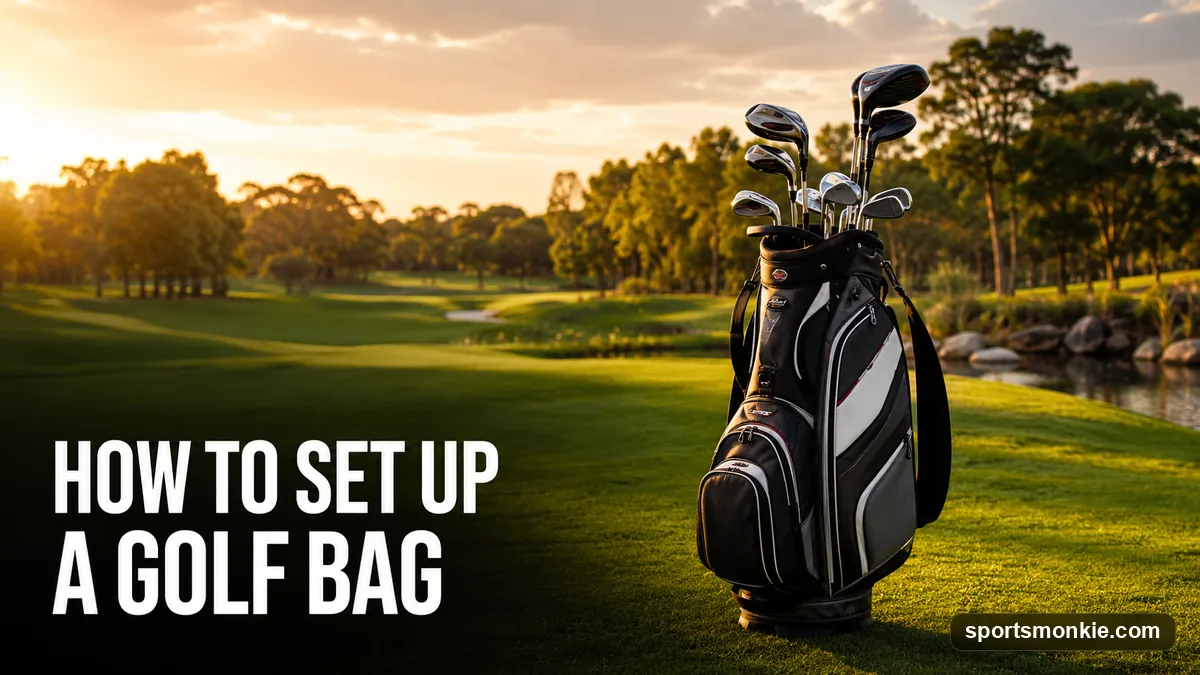
To organize a golf bag, load your clubs longest to shortest from the back-top slot down to the front-bottom, give every pocket one fixed job, and keep the heavy items low so the bag balances. That single system stops grips from tangling, ends the mid-round dig for a lost tee, and means you reach for the right club without looking. Below is the exact club order, the 14-club makeup, a pocket-by-pocket plan, and how the layout changes between a stand bag and a cart bag.
The Fastest Way to Order Your Clubs: Longest to Shortest
Set your clubs so the longest shafts sit in the top-back row and the shortest sit front-bottom, matching the order you use them through a hole. Driver and fairway woods go in the top row where their long shafts clear the divider without catching. Hybrids and long irons fill the middle. Short irons, wedges, and putter live in the front-bottom slots you reach for around the green.
This does two things at once. Long shafts never rattle against short grips, and the physical layout mirrors your shot sequence off the tee, so your hand goes to the right slot on autopilot. If you are still refining which clubs you swing well, our guide to how to swing a golf club covers the fundamentals that decide how many long clubs you actually keep in the bag.
The 14-Club Makeup That Covers Every Distance
The Rules of Golf cap you at 14 clubs, so build a set with no distance gaps. A reliable all-round makeup looks like this:
- Driver — your longest club and biggest miss-maker; dial it in with our guide on how to hit a driver.
- 3-wood and one hybrid — long-distance options off the tee and from the fairway.
- Irons 4 through pitching wedge — the seven-club core that covers your mid-range yardages.
- Two or three wedges — typically a gap, sand, and lob wedge for anything inside 110 yards.
- Putter — the club you use most, so it earns its own slot.
Count them before every round. Starting a hole with a 15th club costs you a penalty, and it is a surprisingly common mistake after you toss a spare wedge in to test it on the range.
Give Every Pocket One Job
A bag fails you when items float between pockets and you have to hunt. Assign each pocket a single, permanent purpose:
- Valuables pocket (small, lined, near the top): phone, keys, wallet, watch. This is usually the only fleece-lined, water-resistant pocket, so it protects electronics.
- Ball and accessory pocket (large side): a sleeve or two of balls, tees, ball markers, and a spare glove.
- Rain pocket: rain jacket, waterproof gloves, and a compact umbrella so a shower never sends you back to the clubhouse.
- Food and drink pocket (insulated or mesh, low on the bag): water and snacks kept down low where the weight helps rather than hurts balance.
Once each pocket has one job, restocking after a round takes 30 seconds and you stop patting down five zippers looking for a tee on the first hole.
Keep the Bag Balanced So It Carries and Rides Right
Weight placement is the difference between a bag that hangs comfortably and one that digs into your shoulder or tips off the cart. Keep the heaviest contents — balls, water, cooler — low and against the back panel closest to your body. A top-heavy bag pulls forward on a push cart and drags on one shoulder when you walk.
If you carry, adjust the dual-strap length so the bag sits centered and high on your back, not swinging at your hip. Good posture with the bag on mirrors good posture over the ball; the same athletic, balanced base you build in our golf swing drills keeps a carried bag from throwing off your stride between shots.
Stand Bag vs Cart Bag: Match the Layout to How You Play
Your organization tweaks slightly depending on the bag type:
- Stand bag (for walkers): lighter, with retractable legs and a full dual strap. The top usually has 4 to 6 dividers. Because you view the clubs from above while walking, keep the longest clubs at the back so they do not block your view of the irons. Load food and water sparingly to save weight.
- Cart bag (for riders): heavier, with more and deeper pockets and a forward-facing top you read from behind while strapped to a cart. Point the bag so the club labels face the driver’s seat, and use the extra storage for a second dozen balls, tools, and a full rain kit.
Strap a cart bag with the handle and putter slot facing out so you can grab the putter without unclipping anything. Walkers should do a quick lift test: sling the loaded stand bag on and confirm nothing rattles or pokes before the first tee.
Protect Your Grips, Headcovers, and Shafts
Organization is also maintenance. Put headcovers back on your driver, woods, and hybrids after every shot so the crowns do not chip against iron heads in the top divider. Keep grips dry — a wet grip in a crowded slot transfers moisture to its neighbors and slowly slicks every handle, which quietly wrecks your hold. Solid contact starts with a clean, dry grip, the same principle behind our guide on how to grip a golf club and the swing-path work in how to stop slicing the golf ball. A brush clipped to the outside pocket lets you clean grooves between holes, which matters most on the wedges you use for the short-game touch drilled in our golf short game drills.
A 5-Minute Pre-Round Bag Routine
Run this quick checklist before you leave the house and you will never scramble on the first tee:
- Count clubs — confirm 14 or fewer and that all headcovers are on.
- Restock the pockets — refill balls and tees, check the valuables pocket, and top up water in the low cooler pocket.
- Check the rain kit — jacket, gloves, umbrella, even on a clear day.
- Balance test — lift the bag; if it tips forward, move weight lower and toward the back panel.
- Putter and driver access — make sure your two most-used clubs pull out clean.
Do this every time and the setup becomes muscle memory. A bag you never have to think about frees your attention for the shots — the whole point of getting organized in the first place.
Frequently asked questions
What order should golf clubs go in a bag?+
Load clubs longest to shortest from the back-top of the bag toward the front-bottom. Driver, 3-wood, and hybrids sit in the top row where the shafts are longest and clear the divider easily; mid and short irons fill the middle; wedges and putter go in the front-bottom slots you reach for near the green. This keeps grips from tangling and mirrors the order you actually hit them.
How many clubs are allowed in a golf bag?+
The Rules of Golf allow a maximum of 14 clubs during a round. A common 14-club makeup is a driver, two woods or hybrids, seven irons (4 through pitching wedge), two or three wedges, and a putter. You can carry fewer than 14, but starting a hole with more is a penalty, so count your clubs before you tee off.
How do you organize golf bag pockets?+
Give every pocket a single fixed job. Use the small lined top pocket for valuables (phone, keys, wallet), a large side pocket for balls, tees, and gloves, another for rain gear and an umbrella, and a dedicated cooler or mesh pocket for food and water. Keeping each item in the same pocket every round means you never dig for anything mid-hole.
What is the difference between a stand bag and a cart bag?+
A stand bag is lighter, has retractable legs, and a full-length strap for carrying or use with a push cart, making it best for walkers. A cart bag is heavier with more storage and a forward-facing top designed to sit strapped to a riding cart, so you read the clubs from behind. Pick the stand bag if you walk and the cart bag if you ride.
Should the putter go in a specific slot?+
Yes. Put the putter in its own external slot or the dedicated putter well most bags include, usually on the outside edge. It is the club you pull most often, its oversized grip can jam a crowded divider, and keeping it separate protects the face and stops it snagging other grips when you grab it on every green.
How do you balance a golf bag so it doesn't tip?+
Center the heaviest items low and against the back panel closest to your spine when carrying. Keep balls, water, and the cooler in lower pockets, not high side pockets, so the load sits under the shoulder strap. A top-heavy bag tips forward on a push cart and drags on one shoulder when you walk, so the fix is almost always moving weight down and inward.
Sources
Play & tools
Free browser games and tools — no account, no download.
- Play today's Sports Connections — Today's Sports Connections — daily hints, answers, and play the grid.
- Play Guess the NFL Player — A new mystery NFL player every day. Eight guesses, with a clue on each — plus free unlimited mode.
- Explore all our games →
Related golf guides
View all →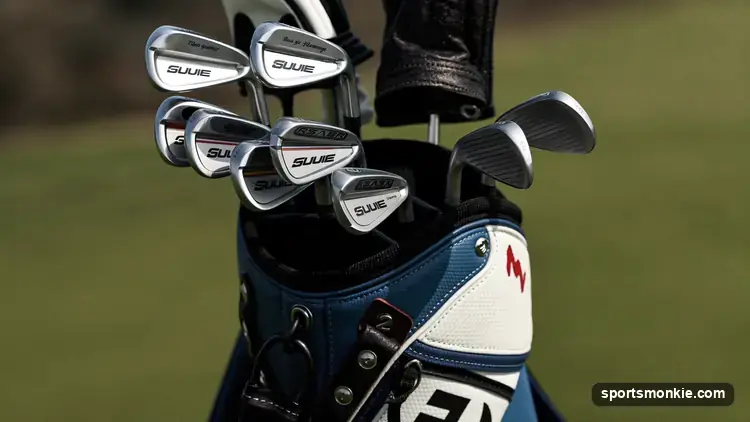
How Many Clubs Are Allowed in a Golf Bag? The 14 Rule
How many clubs are allowed in a golf bag? A maximum of 14, under Rule 4.1b. Carrying more costs two strokes per hole, up to four. Penalty and a sample set.

Golf Chipping Technique: How to Chip Crisply Every Time
Solid golf chipping technique comes from a narrow stance, ball back, weight forward, and a putting-style stroke with no wrist flip. Here is the exact setup and motion.
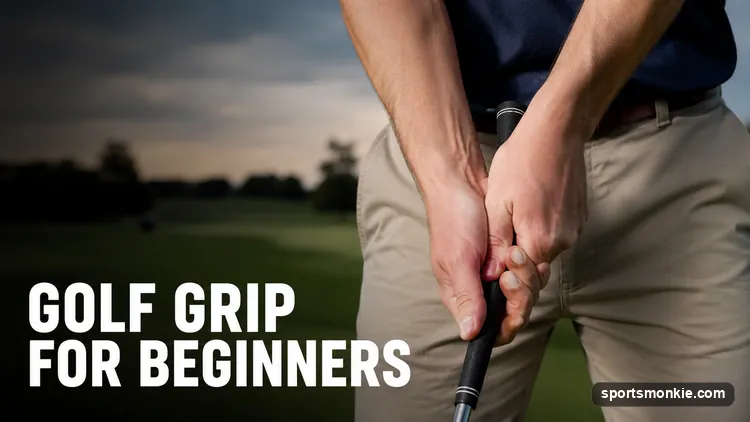
Golf Grip for Beginners: How to Hold the Club Correctly
A beginner's golf grip starts with the lead hand: place the club in your fingers, not your palm, so you see two knuckles at address. Here is the step-by-step method, grip styles, and the faults to avoid.
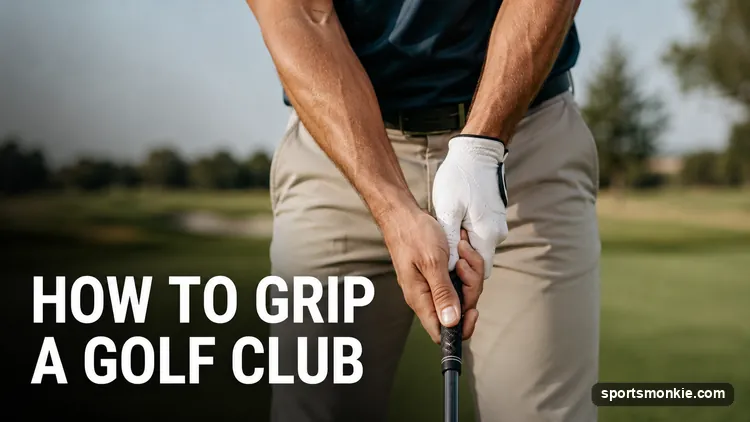
How to Grip a Golf Club: The Correct Grip in 5 Steps
To grip a golf club correctly, rest it diagonally across your lead-hand fingers, close the hand so the V points at your trail shoulder, then set your trail hand so both palms face each other. Here is the full 5-step setup, pressure scale, and fixes for the grip faults that cause slices and hooks.

How to Hit a Pitch Shot in Golf: Setup, Distance Control & Trajectory
To hit a pitch shot, take a lofted wedge, play the ball center, put 60% of your weight on your lead foot, and control distance with backswing length, not hand speed.

How to Release the Golf Club: A Simple Guide to Timing and Speed
To release the golf club, let your forearms rotate and your wrists unhinge naturally through impact so the clubface squares on its own. Here is how to build proper release timing, add speed, and stop flipping at the ball.