
How to Play the Helicopter Shot in Cricket: Full Guide
On this page9
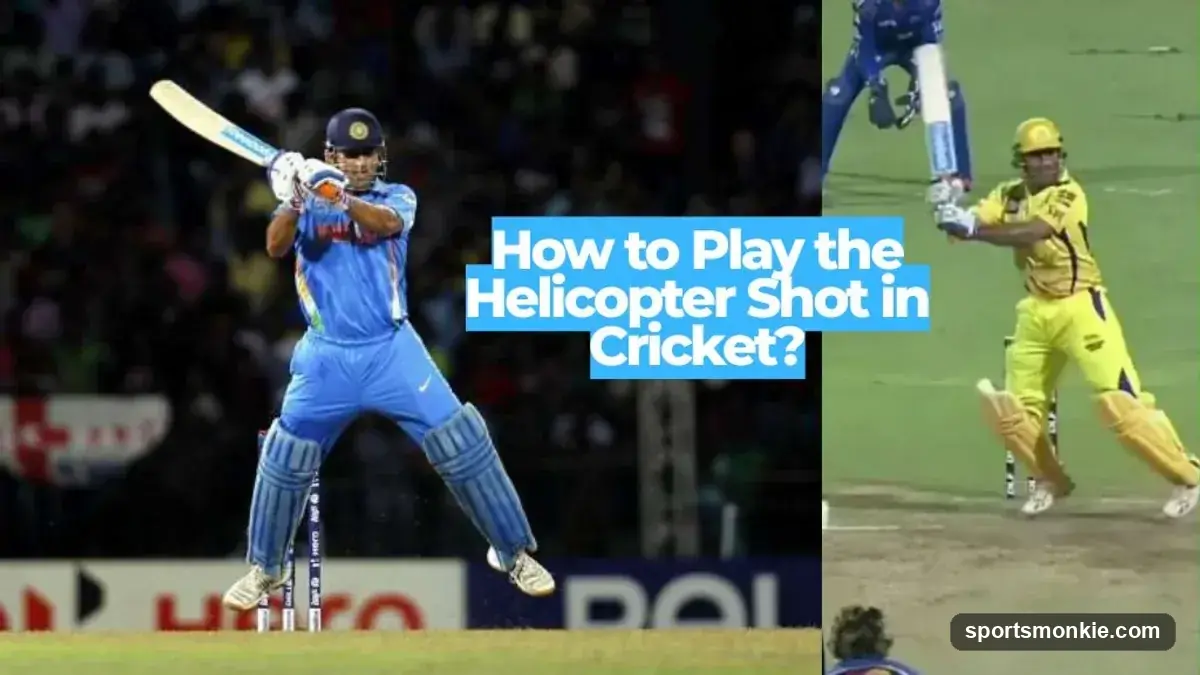
MS Dhoni turned a yorker into a six by rolling his wrists over completely after contact, sending the bat into a high arc above his head. That follow-through, not the power of the swing itself, is what makes the helicopter shot the shot it is. It stays the definitive answer to a full delivery aimed at the base of the stumps in the closing overs.
Why the Shot Exists
A yorker or full ball into the stumps in the death overs leaves limited options: dig it out defensively, or slog and risk a top edge. The helicopter shot gets around both by using a strong wrist roll to get under the ball and clear the rope while still connecting cleanly with a delivery arriving near the batter’s feet.
Grip
Exceptionally strong wrists and a specific grip make this shot possible.
- Hold lower on the handle than usual, which frees up wrist action.
- The bottom hand stays firm through contact, then rolls over completely.
- The top hand guides, but the bottom-hand wrist rotation supplies the power.
Footwork and Stance
- Stride the front foot toward the pitch of the ball, or, against a yorker, toward the crease to get in line.
- Keep the body slightly open; a closed stance restricts the high follow-through.
- Drop the back knee to get low and under a yorker. That’s what creates the lift angle.
Execution: Step-by-Step
| Phase | Action |
|---|---|
| Identify the length | Spot the full or yorker line early from hand position |
| Step forward | Front foot toward the ball; keep weight forward, not falling back |
| Get low | Back knee drops toward the crease for yorker-length balls |
| Swing through | Full bat swing from low to high, through the line of the ball |
| Wrist roll | At contact, the bottom-hand wrists roll completely over; this generates lift and the characteristic follow-through |
| Follow-through | Bat continues rotating high above the head; don’t check the swing |
The Wrist Roll: The Core Skill
Most batters can hit a full ball over midwicket. What separates the helicopter is complete wrist rotation at and after contact. That roll does three things:
- Converts a low swing into one that lifts the ball steeply.
- Allows connection even on yorker-length deliveries that would otherwise jam into the base of the bat.
- Creates the high, spinning follow-through that names the shot.
Practice the roll on its own first: hold the bat at thigh height with the face pointing down, then roll the wrists so the face turns upward and the bat finishes above the head. Add the swing once that motion feels natural.
When to Play It
- Death overs, roughly 17 through 20, against pace bowlers targeting yorkers.
- Full, straight deliveries on leg stump or coming into the body.
- When deep midwicket or long on is the best gap available.
- As a planned shot against a bowler known to go full into the stumps late in the innings.
Who Can Play It
Honestly, it requires above-average wrist strength and it’s genuinely hard. Batters with strong wrists, a low grip, and quick reactions pick it up fastest; it isn’t a shot for beginners. Most recreational players will get more consistent results from a conventional slog or a chip over midwicket. That said, the wrist-roll component itself can be trained.
Comparison: Helicopter vs Other Leg-Side Shots
| Shot | Best Delivery | Wrist Action | Difficulty |
|---|---|---|---|
| Helicopter | Full/yorker, leg stump | High wrist roll | High |
| Flick | Full/good length, on leg | Wrist roll, smaller | Medium |
| Slog sweep | Spin, full | Minimal wrist | Medium |
| Conventional slog | Short of a length | Minimal | Low–Medium |
Practice Drill
Use a tee or a bowling machine set to yorker length on leg stump. Start with the tee so you can focus entirely on swing path and wrist roll without worrying about timing. Hit at around 70% power and check that the wrist rotation finishes above your head, then gradually increase pace. Once contact is consistent, move to bobble feeds and eventually live bowling.
Frequently asked questions
Who invented the helicopter shot in cricket?+
The helicopter shot is most closely associated with MS Dhoni, who used it consistently throughout his career in death-over situations. Some accounts attribute an early version to Yuvraj Singh. Dhoni's wrist strength and timing made it iconic.
Why is it called the helicopter shot?+
The name comes from the distinctive high, circular follow-through where the bat continues rotating well above the head — resembling a helicopter rotor — after the ball is struck.
On what deliveries is the helicopter shot most effective?+
It is most effective against full or yorker-length deliveries on the leg stump or coming into the body from pace or medium-pace bowlers. It is a death-over shot designed to clear deep midwicket or long on.
Sources
Play & tools
Free browser games and tools — no account, no download.
- Play today's Sports Connections — Today's Sports Connections — daily hints, answers, and play the grid.
- Play Guess the NFL Player — A new mystery NFL player every day. Eight guesses, with a clue on each — plus free unlimited mode.
- Explore all our games →
Related cricket guides
View all →
How to Play the Periscope Shot in Cricket
The periscope shot is a vertical-bat stroke to short balls at the body, holding the bat upright to deflect it over the leg-side fielders. Learn the method.
How to Play a Pull Shot in Cricket: Grip, Stance, and Timing
The pull shot is a back-foot attacking stroke to short deliveries at waist to chest height, hit square on the leg side. Here is how to play it correctly.
How to Play the Leg Glance Shot in Cricket
The leg glance redirects a ball angled into the body toward fine leg with a subtle deflection. One of cricket's most elegant, effective scoring shots.
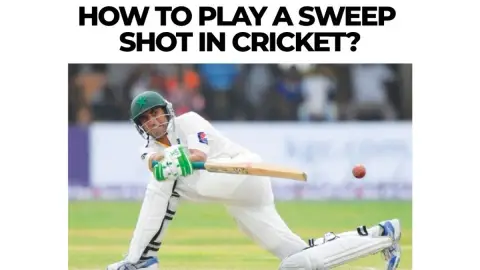
How to Play a Sweep Shot in Cricket: Complete Technique Guide
The sweep shot is a front-foot stroke to full-length spin, hitting the leg side with a horizontal bat. Learn the kneeling position, grip, and placement.
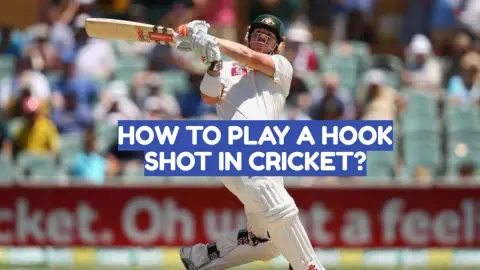
How to Play a Hook Shot in Cricket: Technique and Timing
The hook shot punishes short-pitched deliveries, hitting them fine behind square on the leg side. Learn the grip, footwork, and head position to play it.
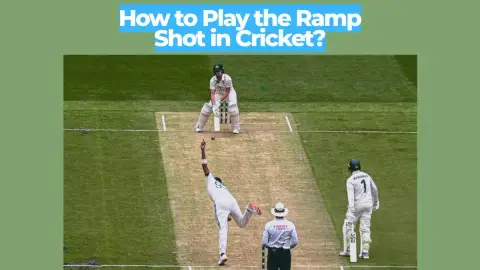
How to Play the Ramp Shot in Cricket: Technique Guide
The ramp shot deflects a full or back-of-length ball over the keeper toward fine leg or third man. Master the wrist angle and head position for T20.