
What Is a Dead Ball in Cricket? Rule and Common Situations
On this page4
A dead ball is a delivery, or a moment within one, from which no runs can be scored and no batter dismissed. The ball dies automatically in clear cases — it settles with the keeper, a wicket falls, it crosses the boundary — and the umpire can also call it by judgement when play is disrupted. It is covered by Law 20.
Cricket runs on a simple idea that hides a lot of detail: the ball is either live or it is not. Knowing when that switch flips explains a surprising number of on-field decisions, especially in the tight last overs of an IPL chase.
When the ball is in play and when it dies
A ball becomes live the instant the bowler starts their run-up. It stays live through the delivery, the shot, the running, and any fielding until the ball has clearly stopped being contested. At that point the umpire treats it as dead.
Under the Laws, the ball becomes dead automatically in several plain situations. The most common ones:
| Situation | Ball becomes dead |
|---|---|
| Ball settles with the keeper or bowler | Yes, once no one is trying to play it |
| A batter is dismissed | Yes, immediately |
| Ball crosses the boundary | Yes, runs are then counted |
| Ball lodges in batter’s clothing or equipment | Yes |
| End of an over is called | Yes |
The umpire’s judgement calls
Beyond the automatic cases, the umpire can also call and signal dead ball. This is where it gets interesting. The umpire will do so if a player or the pitch is not ready, if a fielder or spectator seriously disrupts play, if a batter is injured mid-delivery, or if the bowler drops the ball before releasing it.
A classic modern example is the batter pulling away because of a distraction behind the bowler’s arm. The umpire calls dead ball, and the delivery is bowled again with nothing scored.
Why a dead ball can rescue or wreck a moment
Because nothing counts off a dead ball, the timing of the call matters enormously. If the umpire decides the ball was already dead before a run-out attempt, the batter is safe. If the delivery is voided, a boundary is wiped off the board.
In T20 cricket that swing is huge. A dead-ball call in a super over, or in the final over of an Impact Player game, can decide a title. This is also why the DRS system is sometimes used to check whether an event happened while the ball was live.
Dead ball vs other stoppages
People mix up dead ball with wides and no-balls. They are not the same. A no-ball or a wide is an illegal delivery that adds a penalty run and gets re-bowled, but the ball stays live for run-scoring until play ends — batters can and do run byes off a wide, and a no-ball brings a free hit in limited-overs cricket. A dead ball, by contrast, freezes everything from the point it is called.
The practical rule of thumb: if you hear “dead ball,” stop counting. Nothing that happens after the call goes on the scorecard, and the game only restarts when the bowler runs in again.
Frequently asked questions
Can a batter be out off a dead ball?+
No. Once the umpire has called dead ball, the delivery is void. A batter cannot be dismissed and no runs can be added from that ball. If a bowler runs out a non-striker before the ball is dead, though, that dismissal can stand.
Who decides when the ball is dead?+
The on-field umpire. Some situations make the ball automatically dead, such as the ball settling in the keeper's gloves or the batter being dismissed. In other cases the umpire uses judgement, for example if a player is injured or a spectator interferes.
Does a dead ball still count in the over?+
It depends on why it was called. A normal delivery that becomes dead after play still counts as a legal ball. But if dead ball is called because the delivery was unfair or disrupted before the batter could play it, the ball is usually bowled again and does not count.
When does the ball become live in cricket?+
The ball comes into play the moment the bowler begins their run-up, or their bowling action if they have no run-up. It stays live through the delivery, the shot, the running, and the fielding, until it settles with the keeper or bowler and no one is attempting to play it.
What is the umpire's signal for a dead ball?+
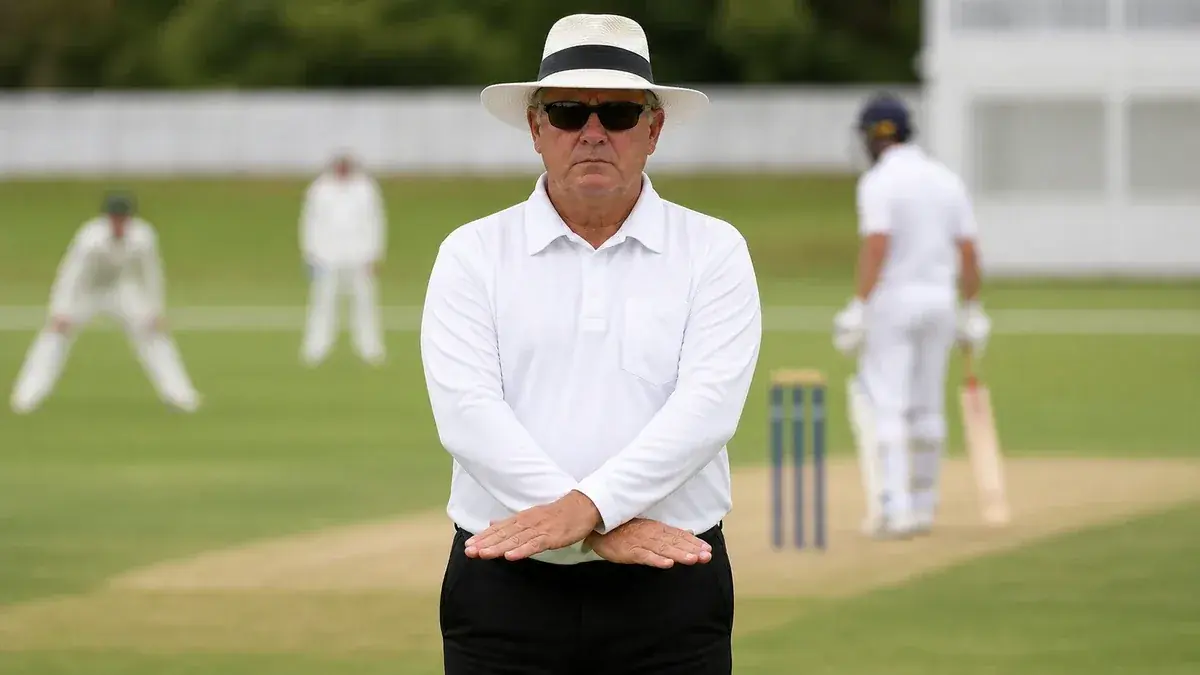
The umpire crosses and uncrosses their wrists below the waist, usually while calling 'dead ball' audibly. The signal is directed at the players rather than the scorers, since nothing needs recording, which is why it looks different from scoring signals like a boundary or a wide.
Can a batter be run out at the non-striker's end before the ball is dead?+
Yes. A bowler may run out a non-striker backing up too far at any point before releasing the delivery, and the ball is not dead at that stage. The MCC moved this from Unfair Play to the Run Out law in the 2022 code, confirming it as a legitimate dismissal.
Can the umpire call dead ball retrospectively?+
Yes, in effect. If the umpire judges the ball had already become dead before an event, such as a run-out attempt after the ball settled with the keeper, that event is void. This is why some dismissals are overturned on review even though the fielding side executed them cleanly.
Sources
Play & tools
Free browser games and tools — no account, no download.
- Play today's Sports Connections — Today's Sports Connections — daily hints, answers, and play the grid.
- Play Guess the NFL Player — A new mystery NFL player every day. Eight guesses, with a clue on each — plus free unlimited mode.
- Explore all our games →
Related cricket guides
View all →
DLS Method in Cricket Explained: How Rain Targets Are Set
The Duckworth-Lewis-Stern (DLS) method resets targets in rain-hit limited-overs cricket using overs and wickets left. Here's the logic, with examples.
15 Basic Rules of Cricket Every Fan Should Know
Cricket has a detailed rulebook, but these 15 core rules cover how the game is played, how batters are dismissed, and how runs are scored.
Hitting the Ball Twice in Cricket: Law 34 Explained
Law 34 lets a batter hit the ball twice only to defend the wicket. Do it for any other reason and you are out 'hit the ball twice'. Here is how the rule works.
What Is a No-Ball in Cricket? Types, Rules & the Free Hit
A no-ball is an illegal delivery that costs the bowling side a run and a re-bowl. Learn every type, the free-hit rule and how a batter can be out off one.
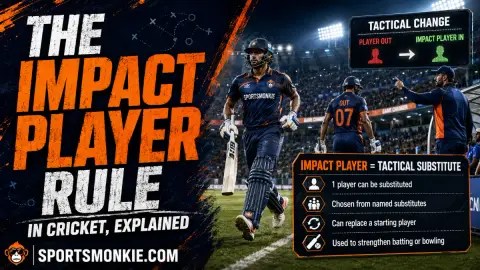
The Impact Player Rule in Cricket, Explained
The Impact Player rule lets a T20 team swap in one substitute mid-match to bat or bowl. Popularised by the IPL, here is how it works and when subs enter.
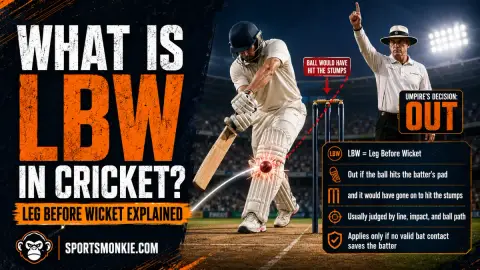
What Is LBW in Cricket? Leg Before Wicket Explained
LBW means the ball would have hit the stumps but struck the pad first. Here are the exact conditions umpires check and how DRS decides close calls.