
What Is Trapping in Soccer? Ball Control Techniques Explained
On this page8
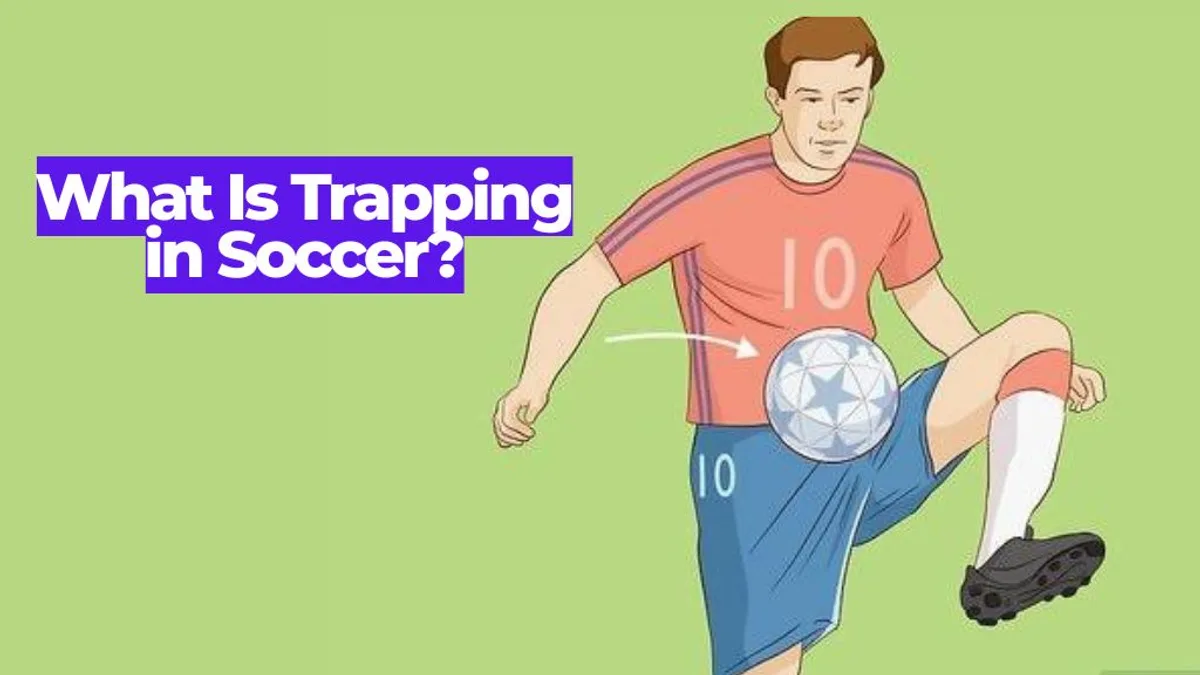
Watch a five-year-old’s first soccer practice and you’ll see the problem immediately: the ball arrives, bounces off a shin or a knee, and rolls six feet away while the kid chases after it. That gap between “the ball reached me” and “the ball is mine” is what trapping fixes. It’s the difference between a player who can build an attack in one motion and one who needs three extra touches just to get started.
Coaches used the word “trapping” for decades before “first touch” took over as the preferred term. Walk onto most youth pitches today and you’ll still hear both. The skill hasn’t changed: cushion the ball’s pace with the foot, chest, or thigh so it drops close and stays under control, rather than bouncing away or sitting up for a defender to pounce on.
Main Trapping Techniques
Different situations require different body surfaces and methods.
| Technique | Body Part Used | Best For |
|---|---|---|
| Inside foot trap | Inside of the foot | Ground passes, short to medium range |
| Sole trap | Bottom of the foot | Slowing a rolling ball, tight spaces |
| Chest trap | Chest (cushioned) | Aerial balls at chest height |
| Thigh trap | Thigh | Dropping balls between waist and knee |
| Outside foot trap | Outside of the foot | Quickly redirecting the ball wide |
Inside Foot Trap
The inside of the foot is flat and wide, which makes it the most forgiving surface to trap with. As the ball arrives, the player relaxes the foot on contact instead of holding it rigid, killing the ball’s momentum so it drops within a step, ready to play.
Sole Trap
Pinning a rolling ball under the sole of the boot stops it dead. This shows up most in tight spots: near the touchline, or with a defender closing in, when the priority is stopping the ball rather than redirecting it.
Chest Trap
On passes or goal kicks dropping from height, the chest brings the ball down. The player opens up to the ball, leans back slightly, and softens the chest on contact so the ball loses its pace and drops to the feet.
Thigh Trap
For balls arriving between knee and waist, too low for the chest and too high for a clean foot trap, the thigh does the job. Same principle as the chest: relax the leg on contact and let the ball fall rather than bounce off.
What Separates a Good Trap From a Bad One
Three things matter more than which body part is used:
- Positioning. Getting the body behind or in line with the ball before it arrives, not after.
- Cushioning. Giving slightly with the surface on contact instead of meeting the ball rigidly.
- Direction. Steering the touch into open space instead of straight down or back toward pressure.
Get any of these wrong and the ball bounces away, sits up for a tackle, or dies under the player’s foot, handing the initiative straight to the opponent.
Trapping Under Pressure
At the top level, nobody gets to control the ball in peace. A defender is usually a stride away, so the better players learn to shield with their body while they take the touch, then move the ball in the same motion they used to receive it. That blend of touch and spatial awareness, more than raw technique, is what separates a first-team player from a reserve.
Trap or One-Touch?
Not every ball needs a full trap. Sometimes the smarter play is a single-touch pass or flick that skips the controlling step entirely. The best players make that call before the ball even arrives, scanning the pitch a second earlier so the decision is already made by the time the ball reaches them.
Frequently asked questions
What is the difference between trapping and first touch in soccer?+
They refer to the same idea from different eras of coaching language. 'Trapping' is the older term for stopping or controlling an incoming ball; 'first touch' is the modern phrase used to describe the quality of that initial control.
Which part of the body can you trap the ball with in soccer?+
Players can trap the ball using the inside of the foot, the sole, the chest, the thigh, and even the head. The goal is always to bring the ball under close control quickly.
Why is trapping important in soccer?+
Good ball control keeps possession and creates time and space. A poor first touch gives defenders a chance to win the ball, while a clean trap lets the player look up and play quickly.
Sources
Play & tools
Free browser games and tools — no account, no download.
- Play 38-0 — Sign a 4-4-2 of all-time football legends and chase a perfect 38-0 league season — perfect, not just unbeaten.
- Explore all our games →
Related football guides
View all →
How to Juggle a Soccer Ball: Step-by-Step for Beginners
To juggle a soccer ball, drop it onto your dominant foot and kick it back up, keeping it below chest height. Start with one touch and build up gradually.
What Is a Nutmeg in Football?
A nutmeg is a football dribble or pass that sends the ball through an opponent's legs and back to a teammate or the same player.
11v11 Soccer Formations: The Full-Sided Guide to Every Shape
11v11 soccer formations explained: how full-sided lineups work, the most common shapes (4-4-2, 4-3-3, 4-2-3-1, 3-5-2, 5-3-2), and how to pick one.
7v7 Soccer Formations: Best Youth Shapes for U9/U10 Explained
The best 7v7 soccer formations for youth teams are 2-3-1, 3-2-1, 2-1-2-1, 3-1-2, and 1-3-2 — each suited to a different style of U9/U10 play.
9v9 Soccer Formations: Best Youth Shapes for U11/U12 Explained
The best 9v9 soccer formations for youth teams are 3-3-2, 3-2-3, 2-4-2, 3-4-1, and 2-3-3 — here's how each one lines up and which fits your squad.
High Press in Soccer: What It Is and How It Works
High press in soccer explained: how teams trap opponents deep, key triggers, man vs zonal systems, and why Klopp, Guardiola and Bielsa built careers on it.