
What Is a Triple Threat in Basketball?
On this page5
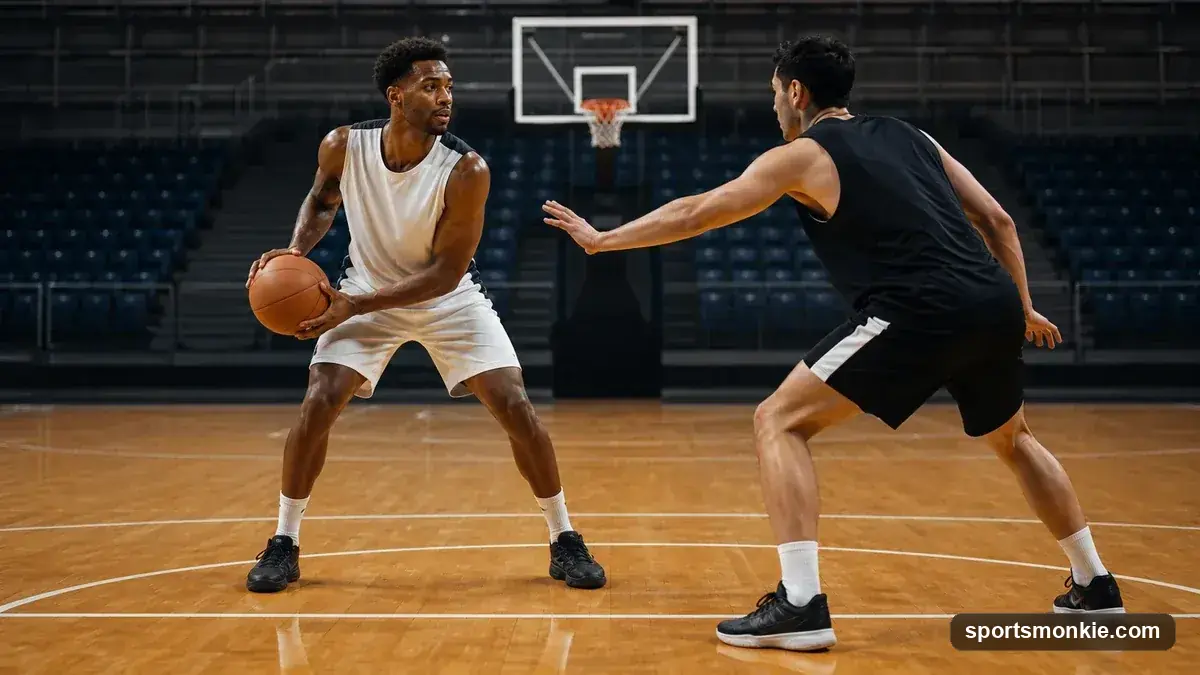
The triple threat is a balanced stance a player takes the instant they catch the ball, from which they can shoot, pass, or dribble without any wasted movement. Knees bent, ball low near the shooting-side hip, pivot foot planted, eyes up. It works because the defender cannot take away all three options at once, and whichever one they commit to stopping is the one they surrender.
It is among the first things a good coach teaches, and one of the last things elite players stop relying on.
What the term means
Triple threat is the ready position a player gets into the moment they catch the ball, usually facing the basket. From this stance they can do three things instantly: shoot, pass, or dribble. Hence the name.
The power of it is uncertainty. The defender guarding the ball cannot fully commit to stopping any one option without exposing the other two. Crowd the shooter and they drive. Sag off and they shoot. Overplay the drive and they pass. That hesitation is the edge the offense wants.
What the stance looks like
Good triple-threat position has a few common ingredients:
- Knees bent, weight balanced, feet about shoulder-width apart.
- The ball held firmly, often near the hip on the shooting-hand side, protected from swipes.
- A pivot foot planted so the player can pivot and read the defense without traveling.
- Eyes up, scanning the floor and the defender.
From that base, no move requires a “reset.” The player is already loaded to go in any direction.
How players use it
The triple threat is a launch pad. A common sequence is the jab step: a short, hard fake step toward the basket to see how the defender reacts, then a decision based on what they give up. Bite on the jab and back off, the offensive player pulls up to shoot. Stay flat, they drive past.
| Defender reaction | Best counter from triple threat |
|---|---|
| Closes out hard | Drive past them |
| Backs off / sags | Rise up and shoot |
| Overplays the drive | Cross over or pass |
| Reaches for the ball | Pivot and protect, then attack |
The mistakes that kill it
Three errors turn a triple threat into a single threat, and all of them are habits rather than skill gaps.
Standing up. The most common by far. A player catches the ball and straightens their legs, and the loaded spring that made the shot and drive instant is gone. Now every move needs a re-dip, which is all the warning a defender needs.
Dropping the eyes. Watching the ball instead of the floor hides the open cutter and, worse, hides the defender’s weight shift. The read is the whole point of the stance.
Killing the dribble early. Putting the ball on the floor to “get comfortable” spends the dribble threat before you’ve read anything. Now the defender can crowd you knowing you can only pass or shoot.
Pivot-foot drift. Once you establish a pivot foot it must stay planted until you pass, shoot, or begin a dribble. Lifting and replacing it is travelling, and it’s the violation that most often punishes a player who is otherwise doing everything right.
Why it still matters at every level
You will see NBA scorers survey the floor from a triple-threat stance before they make a move, just like a first-year player in a school gym. The tools change, but the principle does not: hold all three threats, make the defender guess, and punish the option they take away.
For younger players, drilling the stance builds good habits, controlled footwork, ball protection, and reading the defender, that carry into every other skill. Master the triple threat and you are dangerous the instant the ball touches your hands.
Frequently asked questions
Why is it called a triple threat?+
Because from the stance the player threatens three actions at once: shooting, passing, and dribbling. The defender has to respect all three, so no single one can be fully taken away, which is what makes the position so effective.
What does the triple threat stance look like?+
Knees bent, feet shoulder-width apart, the ball held tight near the hip or chest on the shooting side, eyes up, and a pivot foot planted. From there the player can rise into a shot, swing a pass, or push off into a drive without resetting.
Is triple threat the same as a jab step?+
No, but they work together. Triple threat is the stance. A jab step is a quick fake step you make from that stance to read and unbalance the defender before choosing to shoot, pass, or drive.
What is the most common triple threat mistake?+
Standing up straight. Players catch the ball, rise out of their stance, and lose the loaded legs that make a shot or drive instant. The other frequent error is dropping the eyes to the ball, which hides the open teammate and the defender's weight shift.
Can you pivot in the triple threat stance?+
Yes, on your pivot foot only. Once you establish a pivot foot it must stay planted until you pass, shoot, or start a dribble; lifting and replacing it is travelling. You may pivot freely on it in any direction, which is how players survey the floor and protect the ball.
Should you hold the ball high or low in triple threat?+
Low, near the hip on your shooting-hand side, for most players. It protects the ball from digs and reaches, and keeps a clean path into a drive. Taller players who shoot from a high release sometimes hold it at chest height, trading some protection for a faster shot.
Sources
Play & tools
Free browser games and tools — no account, no download.
- Play 82-0 — Draft five, one per position, and see if your lineup can go a flawless NBA season.
- Play Era Ball — Draft an all-time NBA roster from a single era, then simulate a season and chase a perfect run.
- Play 32-0 — Draft five college basketball legends, one per position, and chase a perfect 32-0 national title.
- Explore all our games →
- Get the printable bracket — Download and print a blank tournament bracket to fill out by hand.
- Open the TS% calculator — Calculate TS% from points, field goal attempts and free throw attempts — scoring efficiency in one number.
- Explore all our free sports tools →
Related basketball guides
View all →
Box Out in Basketball: The Complete Rebounding Technique Guide
Learn how to box out in basketball with a step-by-step technique, common mistakes, and drills that turn positioning into extra rebounds.
What Is a Give and Go in Basketball? How It Works
A give and go in basketball is a pass, cut, and return-pass play between two players. See how it works, why it's so hard to stop, and how to defend it.
Off-Ball Screens in Basketball: Types, Alignment & How to Use Them
A basketball screen set away from the ball is an off-ball screen. Learn the down, back, flare, cross, and elevator screens with alignment, roles, and counters.
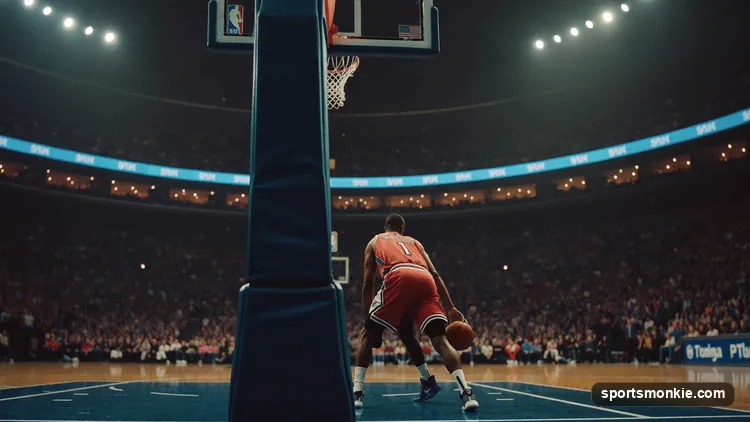
What Is a Post Up in Basketball? Post Moves and How to Defend It
A post up in basketball is when a player backs their defender down near the basket to score. Learn how to post up, key post moves, and how to defend it.
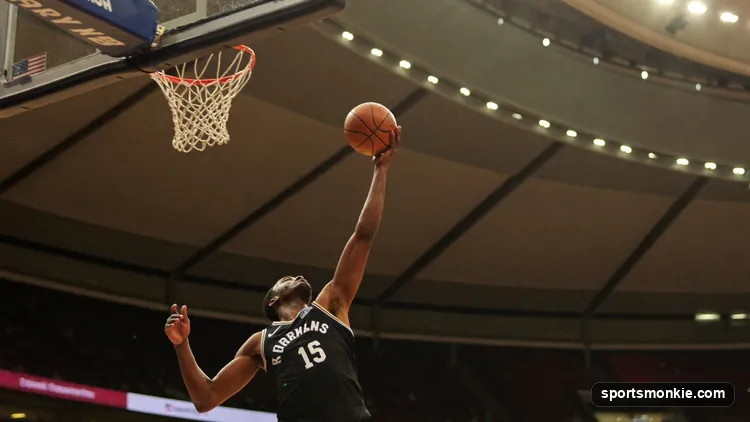
What Is a Layup in Basketball? Footwork, Types & Why It Scores
What is a layup in basketball? A close-range shot laid or banked off the glass after a drive. Learn the footwork, overhand vs. underhand, and variations.
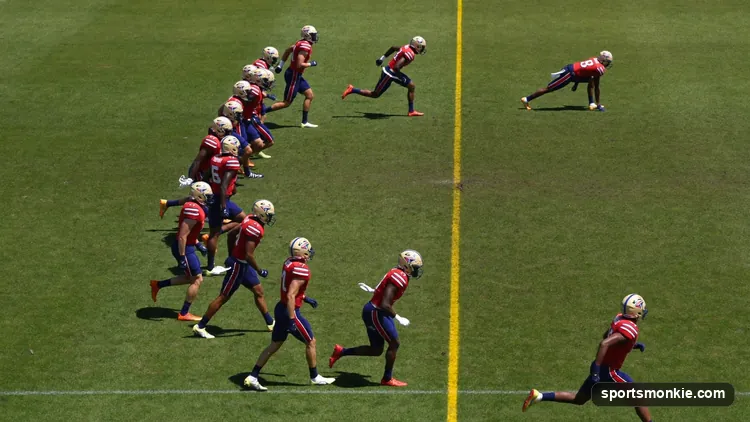
Offensive Positions in Football Explained: Every Role on the Unit
Offensive positions in football explained: QB, RB/FB, WR, TE, and the five offensive line spots (LT, LG, C, RG, RT) with duties and alignment.