
Padel Rackets for Beginners: What to Buy and Avoid
On this page7
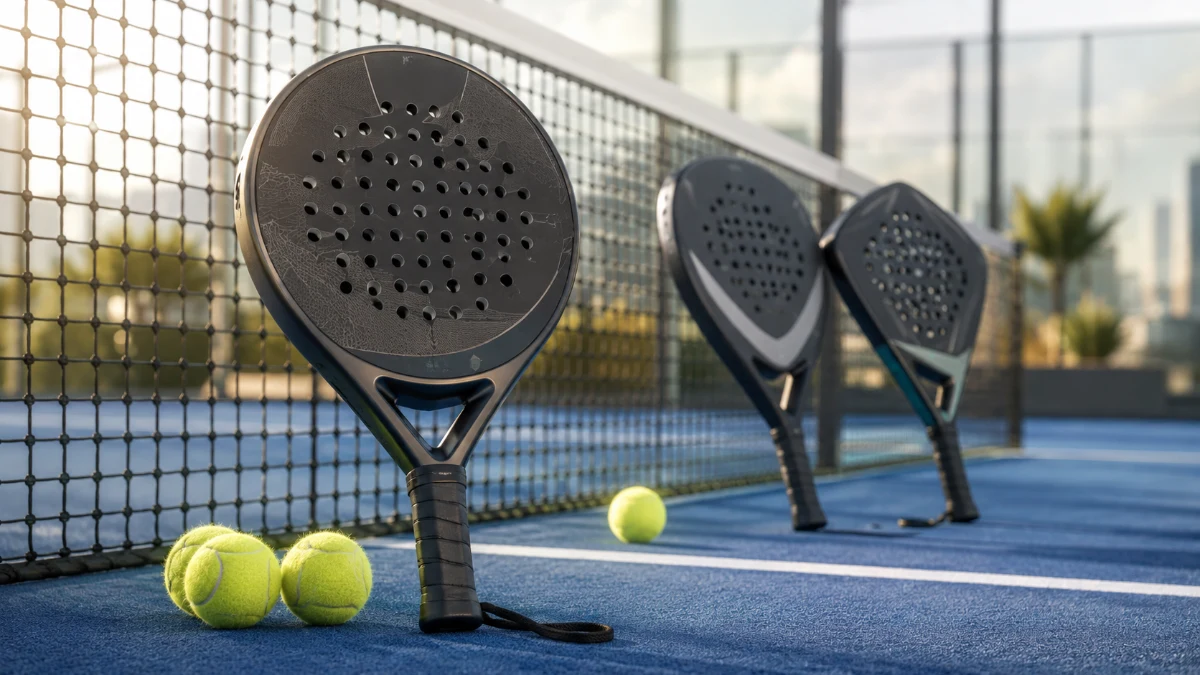
Your first padel racket should be round-shaped, built around a soft EVA foam core, balanced low toward the handle, and weigh roughly 350-365g. Those four traits give you the biggest sweet spot and the gentlest feel on your arm while your technique is still forming. Power comes later. Forgiveness and comfort are what actually help a beginner improve and stay off the injury list, so budget around $60-110 in the US or £55-100 in the UK and skip anything a pro endorses.
What shape should a beginner padel racket be?
Round, without much debate. Shape decides where the sweet spot sits, and a round racket concentrates it in the geometric center of the face and spreads it over a wide area. A slightly mishit ball still clears the net with reasonable pace and low vibration, which is exactly what you need while your contact point is inconsistent.
Teardrop and diamond shapes deliberately push the sweet spot toward the tip to add power and leverage. For a beginner that trade is backwards: you inherit a small, high sweet spot that magnifies every mistake. Wilson’s own buying guide makes the same case: start round and only move to a teardrop once your contact is reliable.
Soft or hard core, carbon or fiberglass?
A soft EVA foam core is the beginner’s friend. It flexes on impact, cushions the shot, and launches the ball with less effort from you, which matters because new players swing shorter and slower than they think. Hard, high-density cores only wake up with a fast, committed swing and otherwise feel dead and jarring.
The face material follows the same logic. Fiberglass and fiberglass-hybrid faces flex more than carbon, giving a softer feel and a larger effective hitting area. Carbon faces are graded by “K” count, where a higher number like 18K means a stiffer, more rigid weave built for players who already generate their own power. Save that stiffness for your second racket.
What weight and balance to look for
Aim for about 350-365g if you are an average adult man and 340-355g if you are lighter or smaller-framed. Most padel rackets weigh between 340 and 390g. The FIP rules cap a racket’s length, width and the wrist cord rather than its weight, so the lower half of that market band is easier to maneuver at the net and kinder to your elbow. You can generate power through technique; you cannot take weight out of a frame once you own it.
Pair that with a low balance point, roughly 260-265mm, which keeps the mass near your hand for quicker reactions and less torque on the arm. Grip size matters too. Padel handles run small, so most players add one or two overgrips to reach a secure thickness, because a handle that is too thin encourages over-gripping and aggravates the forearm.
Beginner padel rackets worth buying in 2026
Every racket below is round or round-leaning, soft-cored, and built for a first-timer. Prices are approximate July 2026 figures and move with color, model year, and retailer, so treat them as a starting point rather than a fixed ranking. The Babolat Contact is my default recommendation: at a listed 340g with a round head, fiberglass face, and EVA core, it is the most forgiving and arm-friendly of the group and one of the cheapest.
| Racket | Shape | Weight | Approx. US | Approx. UK | Best for |
|---|---|---|---|---|---|
| Babolat Contact | Round | ~340g | $60-70 | £62 | Total beginners, arm-conscious players |
| adidas Match / Drive Light | Round | Light (~355g) | ~$65-75 | £57 | Maximum maneuverability and control |
| Bullpadel Indiga Control | Round | ~355g | ~$85 | £74 | Best value control racket |
| Head Vibe | Round-teardrop | ~350g | $100-110 | £60-68 | A touch more reach and pop |
| Nox ML10 line | Round | ~360g | ~$90 | £70 | A long-proven first racket family |
My pick for most people is the Babolat Contact or a light adidas round model. Choose the Head Vibe only if you already play another racket sport and want slightly more reach as you progress.
Once you have the racket sorted, it helps to understand the court you will be standing on. Our guide to padel court size and dimensions explains why positioning, not power, wins most beginner points, and the full padel racket buyer’s guide walks through shapes and materials for when you are ready to upgrade.
What to avoid as a beginner
The most common mistake is buying an aggressive diamond-shaped racket because it looks like the ones the pros use. Diamond frames put a tiny sweet spot near the tip and a high balance point, which magnifies your errors and tires your arm fast. If a racket is marketed on “explosive power” or “maximum smash,” it is not your first racket.
Skip stiff, high-K carbon frames for the same reason. An 18K carbon racket is extremely rigid, needs a fast swing to activate, and transmits shock straight into your tendons. That is a direct route to padel elbow, which is lateral epicondylitis, an overuse injury to the tendons on the outside of the elbow. Also avoid heavy tip-loaded frames and any pro-level pala priced above roughly $200 or £180, because you cannot yet feel what you are paying for.
A quick way to check a racket before you buy
You do not need a spec sheet to sanity-check a beginner racket in a shop. Run three fast tests. Press a thumb into the face near the center: a soft core gives slightly and springs back, while a hard core feels like a table. Balance the racket flat on one finger under the throat: if it tips toward the head it is high-balanced and built for power, not for you. Then squeeze the handle to confirm it fills your palm without your fingertips digging into the base of your thumb.
One rule that trips up newcomers: every legal padel racket must have a non-elastic wrist cord attached to the handle, capped at 35cm by the FIP rules, and using it is mandatory in play. Any reputable beginner racket ships with one, so if a cheap online listing is missing it, that is a red flag about the whole product. Budget a few dollars or pounds for a spare overgrip while you are at it, since that is the one accessory you will actually replace within weeks.
A well-made fiberglass beginner racket lasts roughly 12-18 months of regular recreational play before the core softens and the response goes flat. Keep it in a cover, avoid leaving it in a hot car, and try not to scrape the frame on the court glass, and it will comfortably see you through your first season and beyond.
The bottom line
Buy for the player you are now, not the one you hope to become. A round, soft-cored, fiberglass-faced racket around 350-365g with a low balance flatters your shots, protects your arm, and frees you to work on footwork and positioning, which is where beginner matches are actually won. Spend roughly $60-110 or £55-100, play for six months, then upgrade only once you can name the thing you want to change.
Want to compare padel with its cousins before you commit? Browse our racket sports hub for beginner guides to pickleball, tennis, and more.
A natural follow-up read is Adidas Padel Rackets.
Frequently asked questions
What shape padel racket is best for a beginner?+
A round shape. It puts the sweet spot in the center of the face and spreads it over a large area, so slightly off-center hits still clear the net with usable pace. Teardrop and diamond shapes shift the sweet spot toward the tip and punish the inconsistent contact every new player makes.
How much should I spend on my first padel racket?+
Roughly $60-110 in the US or £55-100 in the UK as of 2026. That range buys a purpose-built round racket with a fiberglass face and soft foam core that lasts 12-18 months of regular play. There is little reason to spend more until you know your style and can feel what you want to change.
What weight should a beginner padel racket be?+
Around 350-365g for an average adult man and 340-355g for lighter or smaller players, with some models starting near 340g. Most rackets fall between 340 and 390g, but the lighter end is easier to swing and gentler on the arm while your body adapts to padel's motions. You can add power with technique; you cannot remove weight from a racket.
Is a soft or hard core better for beginners?+
Soft. A soft EVA foam core flexes on contact, absorbs vibration, and returns the ball with less effort, which suits the shorter, slower swings beginners naturally make. Hard, high-density cores only respond with a fast committed swing, feel dead at low speed, and send more shock into the arm.
Are carbon fiber rackets good for beginners?+
Usually not. Carbon faces are stiffer and are graded by K count, where higher numbers like 18K mean more rigidity. That stiffness rewards advanced players with fast swings but feels harsh and unforgiving when you are learning. A softer fiberglass or fiberglass-hybrid face is more comfortable and more forgiving on mishits.
What is padel elbow and how do I avoid it?+
Padel elbow is lateral epicondylitis, an overuse injury to the tendons on the outside of the elbow from repeated impact and vibration. A soft core, a fiberglass face, and a lighter, low-balance racket cut the shock reaching your arm. A correct grip size and sound technique protect the joint further.
Sources
Play & tools
Free browser games and tools — no account, no download.
- Play today's Sports Connections — Today's Sports Connections — daily hints, answers, and play the grid.
- Play Guess the NFL Player — A new mystery NFL player every day. Eight guesses, with a clue on each — plus free unlimited mode.
- Explore all our games →
Related racket sports guides
View all →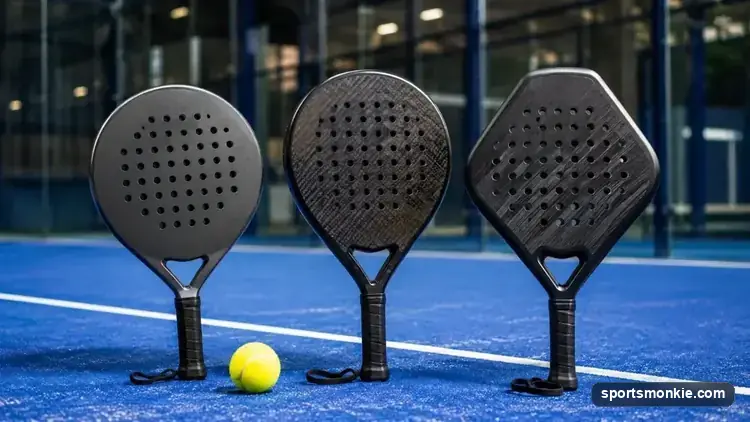
Padel Racket Buying Guide: Shape, Core, and Price
How to choose a padel racket by shape, core, and skill level, with real 2026 price tiers from $50 to $300+ and the specs that actually matter.
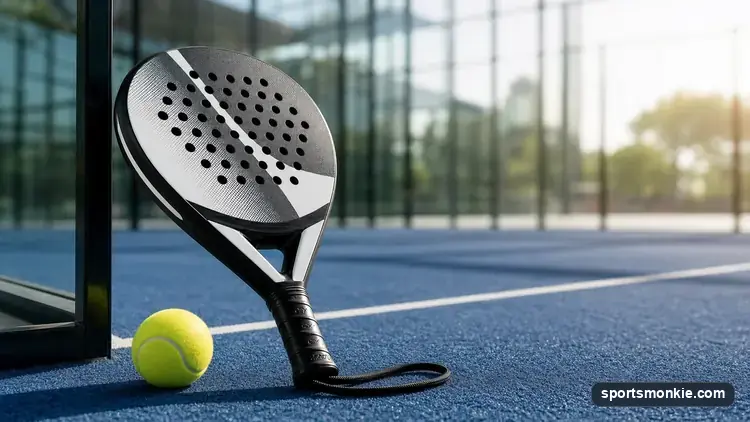
Adidas Padel Rackets: Which Model Should You Buy in 2026
Which Adidas padel racket to buy in 2026: Match for beginners, Cross It or Arrow Hit for control, Metalbone for power. Real prices and a clear pick.
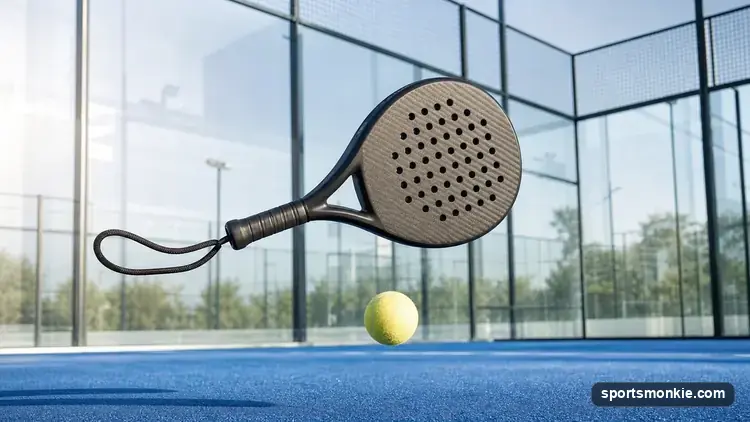
Best Lightweight Padel Rackets: Who Needs One and Why
A lightweight padel racket is under 355g, not FIP-mandated. Who actually benefits, 6 current models with real weights and prices, and the power you give up.
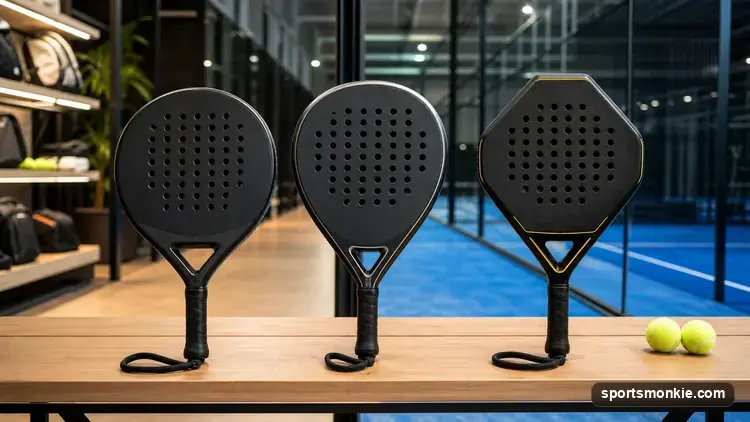
Where to Buy a Padel Racket: Best Places by Country (2026)
Where to buy a padel racket for sale in the US, UK, Australia, and Canada in 2026: named retailers, real price ranges, and how to avoid a counterfeit.
Climbing Shoes for Beginners: What to Buy and How They Should Fit
The best climbing shoes for beginners are flat, neutral, and snug, not painful. Here's how to size them, rent vs buy, and 5 real 2026 models with prices.
Customizable Pickleball Paddles: Cost and Where to Buy
Where to get a customizable pickleball paddle in 2026, what gets personalized, real prices from $10 to $325, and if custom paddles stay tournament-legal.