
How to Play Snooker: A Beginner's Guide

On this page6
To play snooker you set up the balls, break off from the D, and then take turns potting a red followed by a colour, over and over, until the reds run out — then you clear the colours in order and count up the points. Most points wins the frame. This guide walks a complete beginner through it, from racking the table to your first visit.
Snooker rewards patience over power. The single biggest thing to learn early isn’t potting hard, it’s controlling where the cue ball stops, so you have a shot at the next ball.
Step 1: Set up the table
The six colours each have a fixed spot, and the reds go in a triangle behind the pink.
| Ball | Where it goes |
|---|---|
| Yellow | Right corner of the D (baulk line) |
| Green | Left corner of the D (baulk line) |
| Brown | Centre of the baulk line |
| Blue | Centre spot of the table |
| Pink | Just below the middle (pyramid spot) |
| Black | Near the top cushion |
| 15 reds | Tight triangle directly behind the pink |
The cue ball starts in the D, the semicircle on the baulk line, and the player breaking may place it anywhere inside that D.
Step 2: Break off
The break-off is the opening shot, and the goal is safety, not a pot. Aim to clip the outside red of the pack thinly and send the cue ball back down to the baulk cushion, leaving your opponent nothing easy. Crashing into the pack scatters the reds and hands the other player chances — a classic beginner error.
Step 3: Take your turn
Here’s the sequence that runs the whole game. On your visit:
- Pot a red (worth 1 point). It stays down.
- Pot any colour. It’s worth its value — then it’s re-spotted back onto the table.
- Pot another red, then another colour, and so on.
- Keep alternating red, colour, red, colour until all 15 reds are gone.
- Now pot the colours in order: yellow (2), green (3), brown (4), blue (5), pink (6), black (7). These stay down.
You keep your turn as long as you keep potting legally. The moment you miss, foul, or decide to play a safety shot instead, your visit ends and your opponent comes to the table. Because you take the highest colour — the black — after each red for maximum points, the perfect visit adds up to snooker’s 147 maximum break.
Step 4: Score and win the frame
Points come from balls you pot and from fouls your opponent commits. Your running total in one visit is your break, and stringing pots together is the whole art. The player with the most points when the balls are cleared wins the frame. For the full point-by-point picture, our how snooker scoring works guide lays out the maths, and snooker ball values is a handy reference for the colours.
The fouls to avoid
Even as a beginner it’s worth knowing the fouls, because each one gives your opponent at least four points:
- Missing every ball with the cue ball.
- Potting the cue ball (an “in-off”).
- Hitting a colour first when you’re on a red.
- Knocking a ball off the table.
The full penalties are in our snooker fouls explained guide, and the complete framework — potting order, frames, snookers — in snooker rules explained.
How to get better
When you’re starting, chase three things: keep your head still over the shot, deliver the cue straight, and think about where the cue ball will finish, not just whether the object ball drops. The best practice drill is the line-up: pot balls in sequence while trying to leave yourself the next shot. That habit — playing position — is what separates someone who pots one ball from someone who makes a break.
If you enjoy how different cue sports set their own puzzles, our guide to how to rack pool balls and the wider types of pool games show how the setup and scoring change once you move to the pool table.
The short version: set the colours on their spots and the reds behind the pink, break off for safety, then pot red-colour-red-colour until the reds are gone, clear the colours in order, and outscore your opponent. Learn cue-ball position early and the breaks will follow.
Frequently asked questions
How do you set up a snooker table?+
Place the six colours on their spots: yellow, green and brown on the baulk line (right, left and centre of the D), blue on the centre spot, pink on the pyramid spot just below the middle, and black on its spot near the top cushion. Rack the 15 reds in a tight triangle directly behind the pink. The cue ball starts in the D, and the player breaking can place it anywhere inside that semicircle.
How do you break off in snooker?+
Place the cue ball in the D and aim to clip the outside of the red pack thinly, sending the cue ball back down toward the baulk cushion for safety. A good break-off disturbs the reds as little as possible while leaving your opponent no easy pot. Smashing straight into the pack is a beginner mistake because it opens up chances for the other player.
Do you have to call your shots in snooker?+
You don't call which pocket a red will go in, but when you're on the colours you must nominate which colour you intend to pot, especially if it isn't obvious. When on a red, any red you legally pot counts. Nominating matters most when balls are close together, so the referee knows which ball you're playing and can judge fouls correctly.
How long is the cue and what else do you need?+
A standard snooker cue is around 57 to 58 inches (about 145 to 147 cm) long. Beyond the cue you need chalk for the tip, and for hard-to-reach shots a rest and an extension. Full-size play needs a 12-foot table, but many beginners learn on smaller club or home tables. Good cue-ball control matters far more than expensive equipment when you're starting out.
What is the best way to improve at snooker as a beginner?+
Focus on the fundamentals: a still head, a straight cue action, and consistent cue-ball position rather than just potting. Practise the line-up drill — pot balls in sequence while controlling where the cue ball finishes — because position play is what lets you string pots together. Learning basic safety early also helps, since real frames are won by tactics as much as potting.
How is snooker different from pool?+
Snooker uses a bigger 12-foot table, more balls (15 reds plus six colours versus a smaller object-ball set in pool), tighter pockets, and a points-based scoring system rather than simply sinking your group and the 8-ball. Pool frames are shorter and more casual; snooker frames are longer and more about breaks, position and safety. The cues and balls are also smaller in snooker.
Sources
Play & tools
Free browser games and tools — no account, no download.
- Play today's Sports Connections — Today's Sports Connections — daily hints, answers, and play the grid.
- Play Guess the NFL Player — A new mystery NFL player every day. Eight guesses, with a clue on each — plus free unlimited mode.
- Explore all our games →
Related guides

Snooker Ball Values: Colours and Points Chart
Snooker ball values in one chart: red 1, yellow 2, green 3, brown 4, blue 5, pink 6, black 7. What each colour is worth, where it sits, and how it scores.

Snooker Fouls Explained: Penalties and the 4-Point Rule
Snooker fouls explained: every foul gives your opponent at least four points, or the ball's value if higher. The common fouls and their penalties.
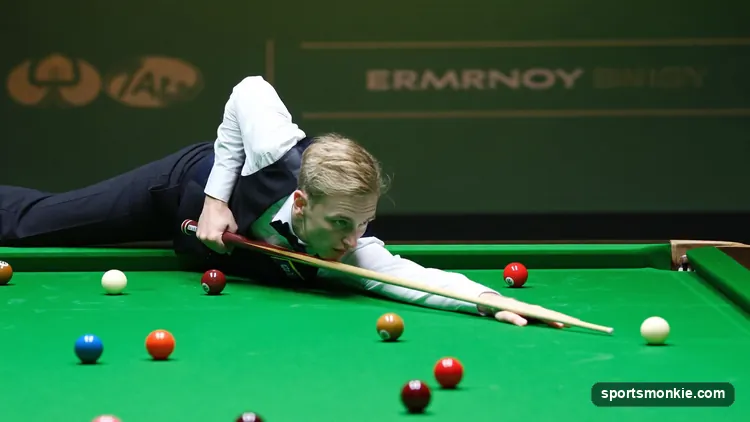
Snooker Rules Explained: The Full Ruleset
Snooker rules in full: 15 reds and six colours, the red-then-colour potting order, how frames are won, and the fouls that hand points to your opponent.
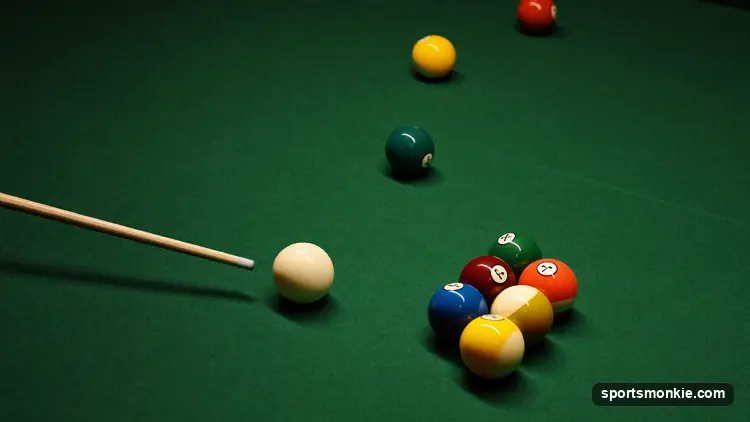
What Is a 147 Break in Snooker?
A 147 break is snooker's maximum: 15 reds with 15 blacks, then all six colours. See the scoring, free-ball exception and famous record holders.
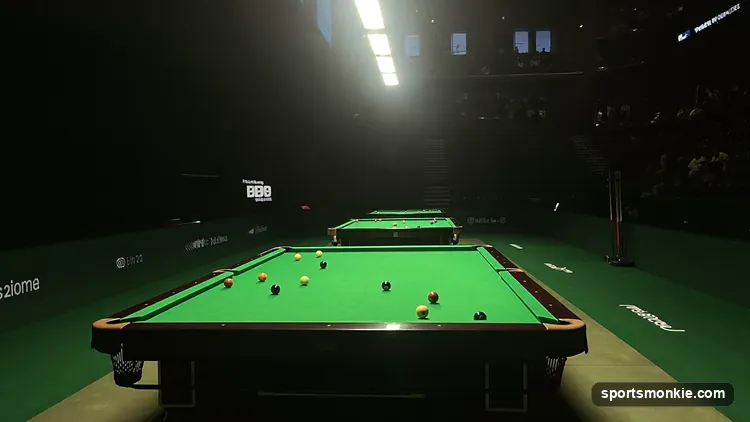
How Snooker Scoring Works: Points, Breaks and Frames
How snooker scoring works: reds score 1, colours 2 to 7, a break is your total in one visit, and most points wins the frame. With a scoring table.
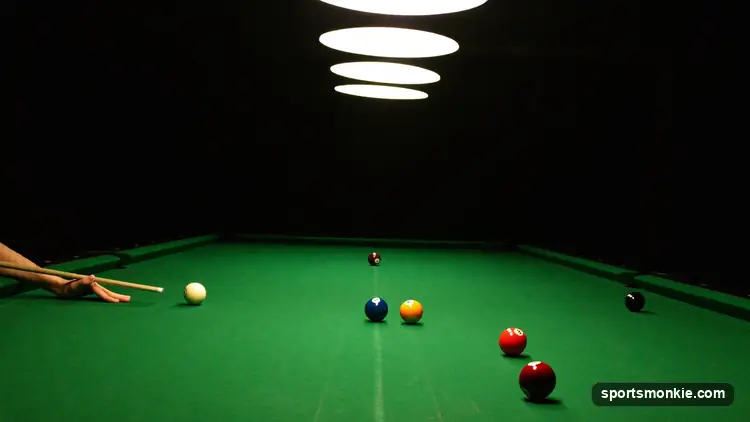
8-Ball Rules: Racking, Breaking & Winning
8-ball rules: pot all seven of your group (solids or stripes), then legally sink the called 8-ball to win. Scratch on the 8-ball and you lose the game.