
What Is a Free Kick in Football? Direct vs Indirect Rules
On this page6
TL;DR
Referees award free kicks for fouls and other offences. Direct free kicks allow a shot directly at goal; indirect free kicks are signalled with a raised arm and need another player to touch the ball first.
Direct free kicks
A direct kick can enter the opponents’ goal without a second touch. Common examples follow careless, reckless or excessive-contact fouls. The referee may also apply advantage when stopping play would hurt the fouled team.
Indirect free kicks
An indirect kick cannot score directly. If it enters the goal without touching another player, the restart is a goal kick or corner, depending on which goal is involved. The referee keeps an arm raised until a second touch occurs.
Where the ball is placed
The location depends on where the offence occurred and the law involved. Defenders must respect the required distance, while the attacking team may take a quick restart when the conditions allow it.
Free kick versus penalty kick
A penalty kick is a special direct kick from the penalty mark after a direct-free-kick offence inside the defender’s penalty area. A normal free kick is taken from the offence location, except for specific technical procedures.
Practical examples
A careless trip outside the box can produce a direct kick. An offside offence produces an indirect kick. Read what is offside, penalty shootouts and stoppage time for related situations.
FAQs
Football’s place among the world’s most popular sports explains why this restart is worth learning.
Can a direct free kick be passed?
Yes. “Direct” describes the possibility of scoring directly, not a requirement to shoot. Teams can pass, cross or shoot.
Why does the referee raise one arm?
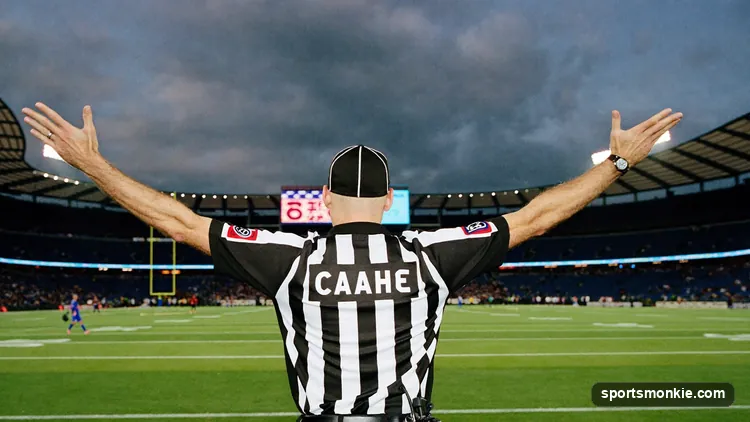
The raised arm identifies an indirect free kick and remains up until another player touches the ball.
Can a free kick be taken quickly?
Often yes, if the ball is stationary, correctly placed and the referee has not stopped the restart for a card, wall management or another reason.
Can attackers stand in the wall?
Players may not unfairly prevent opponents from forming a wall. The referee manages the required distance and misconduct.
Can a free kick be offside?
Yes. A player can be penalized for offside from a free kick if the offside conditions are met.
Does every foul create a direct kick?
No. Some offences restart indirectly, and technical offences have their own procedures under the Laws of the Game.
Sources
Play & tools
Free browser games and tools — no account, no download.
- Play 38-0 — Sign a 4-4-2 of all-time football legends and chase a perfect 38-0 league season — perfect, not just unbeaten.
- Explore all our games →
Related football guides
View all → What Is a Corner Kick in Football? Rules and Tactics
A corner kick restarts football after the defending team last touches the ball before it crosses its goal line.
What Is a Yellow Card in Football? Cautions Explained
A yellow card is the referee’s formal caution for misconduct, such as persistent infringement, delaying a restart, or unsporting behavior.
What Is a Penalty Shootout in Football? Rules and Order
A football penalty shootout decides a drawn knockout match through alternating kicks, with sudden death if the scores remain level.

What Is Aggregate Score in Football?
Aggregate score combines the goals from both legs of a two-match tie to decide which team advances.
What Is Stoppage Time in Football? How It Is Added
Stoppage time compensates for delays such as substitutions, injuries, goals, disciplinary action and video reviews.
What Is VAR in Football? Video Assistant Referee Rules
VAR supports on-field officials by reviewing clear errors in goals, penalties, direct red cards and mistaken identity situations.