
What to Eat Before a Run: Timing, Portions, and Best Foods
On this page6
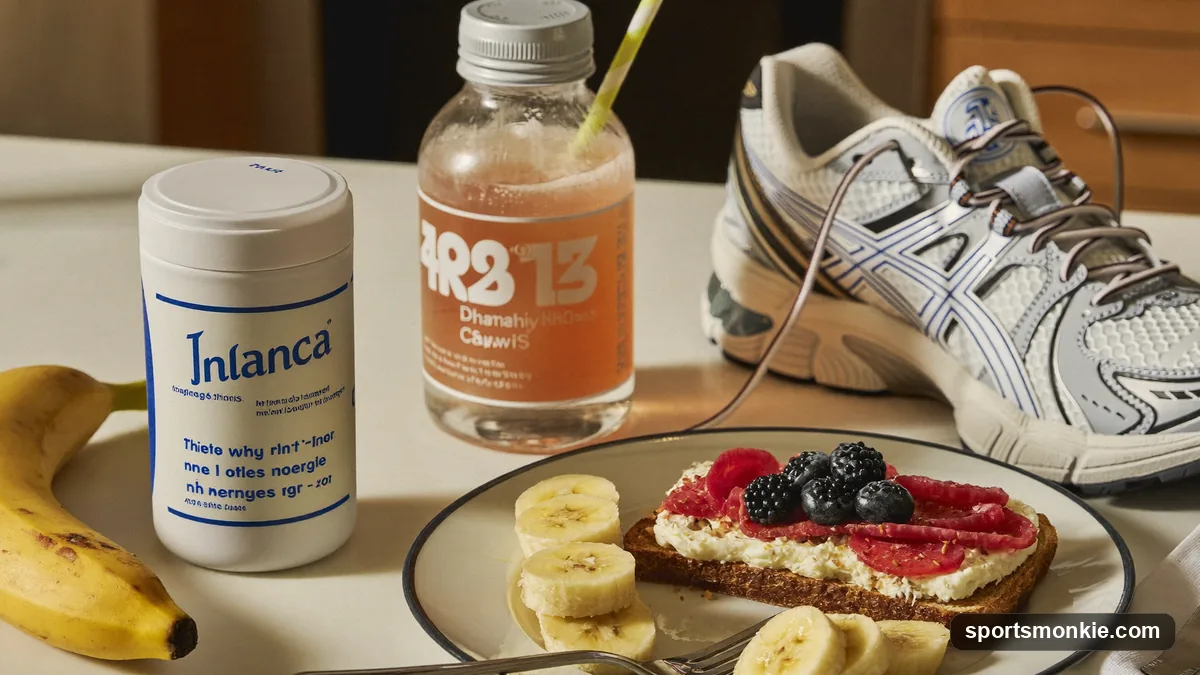
What to eat before a run comes down to two things: timing and easy-to-digest carbohydrate. If your run is 2-3 hours away, eat a normal carb-focused meal like oatmeal or toast with fruit. If it is 30-60 minutes away, grab a small, low-fiber snack such as a banana, a slice of toast with honey, or a few dates. In the final hour, keep fiber, fat, and protein low so nothing sits heavy in your stomach, and drink some water. Beyond that, the single most important rule is to never test a new food on race day.
Carbohydrate is the priority because it is the fuel your muscles reach for first at running pace. A pre-run snack tops up the readily available glycogen and blood sugar that keep you feeling strong, especially in the back half of a run. The rest of this guide breaks that down by how long you have before you head out, by time of day, and by run length, plus what to skip and when going fasted actually makes sense. This is general information, not medical advice; if you have diabetes, reflux, or any gut condition, check your plan with a clinician.
What to Eat Before a Run, by How Much Time You Have
Match the size of what you eat to how long you have to digest it. The longer the runway, the more you can eat.
- 2-3 hours before: a full, carb-focused meal with a little protein and low-to-moderate fat and fiber. Think oatmeal with banana, toast with eggs, or a rice bowl. This is the ideal window for most quality sessions and long runs.
- 1-2 hours before: a lighter mini-meal or large snack, mostly carbs and low fiber. A bagel with jam, a banana with a small spoon of peanut butter, or a bowl of low-fiber cereal.
- 30-60 minutes before: a small, simple carb snack that digests fast. A banana, a slice of white toast with honey, a few dates, or a handful of pretzels.
- Under 30 minutes: keep it tiny and liquid-friendly if you eat at all. A few sips of juice or a couple of dates. For easy short runs, many people just have water.
If you constantly finish runs feeling hollow and slow, you are probably under-fueling or leaving too little time to digest. Building consistent energy across a week of running matters as much as any single snack, which is why fueling sits alongside the mileage structure in our running training plan guide.
Morning Runs: What to Eat (or Whether to Skip It)
For an early run, you rarely have 2-3 hours to digest a full breakfast, so scale down. With 30-60 minutes, a banana, a slice of toast with honey, or a small bowl of oatmeal made with water gives you quick carbs without much bulk. Sip water alongside it, but do not force down a large volume of fluid right before heading out.
If your morning run is easy and under about 45-60 minutes, going out fasted with just water is a reasonable option once your body is used to it. Overnight your glycogen stores are only modestly depleted, and easy paces lean more on fat for fuel. Save the pre-run food for mornings when you have a hard workout, a long run, or a race. The way you fuel easy aerobic mornings pairs naturally with the low-intensity effort described in our guide to zone 2 running.
Pre-Run Fueling by Run Length and Intensity
Longer and harder runs demand more carbohydrate on board; short and easy runs need very little.
- Short, easy runs (under 60 minutes): little to no food needed. Water, or a small carb snack if you feel low.
- Faster workouts (intervals, tempo, hills): eat a small-to-moderate carb snack 60-90 minutes out so you can hit your paces. Quality sessions fall apart on empty, whether you are grinding through interval running workouts or holding a threshold effort in a tempo run.
- Long runs (75+ minutes): treat these like mini races. A carb-rich meal 2-3 hours before, and plan mid-run fuel too, a habit we cover in depth in our guide to long run training.
- Races: rehearse everything. For a marathon, pre-run food works hand in hand with the multi-day loading strategy in our marathon carb-loading guide.
A useful target for bigger efforts is roughly 1-4 grams of carbohydrate per kilogram of body weight in the hours before, scaled to how long you have to digest. Closer to the run, aim at the lower end; with a full 3-4 hours, you can eat more.
The Best Foods to Eat Before a Run
Reach for whole, familiar foods built around simple carbs. You do not need gels, powders, or pills to fuel a normal run; real food works well and is easier on the wallet.
- Bananas — portable, gentle on the stomach, and full of quick carbs.
- Toast or a bagel with honey, jam, or a thin layer of nut butter.
- Oatmeal made with water and topped with banana or a little honey (allow more digest time; oats carry fiber).
- Dates or raisins — concentrated, fast carbs in a small package.
- Low-fiber cereal with a splash of milk or a dairy-free alternative.
- Plain rice or a small potato for runners who prefer savory.
Keep protein modest and fat low in the final hour, since both slow digestion. A little protein at a meal 2-3 hours out is fine and helps you feel satisfied. Beginners building their first routine through a couch to 5K plan can keep this dead simple: half a banana and some water before an easy session is plenty.
What to Avoid Before Running
The foods that cause the classic mid-run stomach cramp and bathroom dash are the slow-digesting ones. In the final 60-90 minutes before a run, avoid:
- High-fiber foods: beans, lentils, bran cereal, large salads, and lots of raw vegetables.
- Heavy fats: fried food, cheese, creamy sauces, and big portions of nut butter.
- Large protein loads: a steak or a huge protein shake sits heavy and digests slowly.
- Anything brand new or spicy: race morning is the worst time to experiment.
- Too much fluid at once: sip, do not gulp, or you will feel sloshy.
These foods are not bad, they are just poorly timed. Eaten hours earlier they are fine. The goal in the final stretch is fuel that is in and out quickly, so your energy goes to your legs and your running form stays relaxed instead of hunched around a cramping gut.
Fasted Runs and Fine-Tuning Your Own Stomach
Fasted running, heading out on water only, suits easy, shorter efforts and some runners simply prefer it. It is not a magic fat-burning hack, and it is a poor choice before hard workouts or races, where low fuel just means worse paces. If you want to try it, start with easy runs under an hour and see how you feel. If you get lightheaded or your effort tanks, eat first next time. Anyone managing blood sugar should clear fasted training with a clinician before trying it.
Ultimately, the pre-run meal is personal. Two runners of the same size can tolerate very different foods and timings, so the reliable method is to keep a simple log: what you ate, how long before, and how the run felt. Within a few weeks you will know your own go-to snack and window. That same trial-and-error mindset is what turns a training block into real progress, whether you are chasing a first 5K or trying to run faster over any distance. Nail your fueling in training, and race morning becomes routine instead of a gamble.
Frequently asked questions
What should I eat before a run in the morning?+
If you have 30-60 minutes, eat a small, high-carb, low-fiber snack such as a banana, a slice of white toast with honey, or a few dates, and sip water. For anything under 45 minutes and easy-paced, many runners go fasted with just water. Save a full breakfast for runs starting 2-3 hours after you wake.
Should I run on an empty stomach?+
For easy runs under 60 minutes, running fasted is fine for most people and can feel comfortable once you adapt. For longer runs, faster workouts, or anything race-specific, eat first, because low fuel usually means slower paces and poor sessions. Never race fasted, and see a clinician first if you manage diabetes or blood-sugar issues.
How long before a run should I eat?+
Eat a full meal 2-3 hours before running so it has time to digest, or a small carb snack 30-60 minutes before. The bigger the meal, the more lead time you need. Trial and error matters: some runners tolerate food closer to a run than others, so practice your timing on training days, never on race morning.
What foods should I avoid before running?+
Avoid high-fiber foods (beans, raw vegetables, bran), heavy fats (fried food, cheese, creamy sauces), and large amounts of protein right before a run, because they digest slowly and trigger cramps or urgent bathroom stops. Also skip anything new or spicy. These foods are fine hours earlier, just not in the final 60-90 minutes.
What are the best carbs to eat before a run?+
The best pre-run carbs are simple and low in fiber: bananas, white toast or a bagel with honey or jam, dates, oatmeal made with water, plain rice, or a small bowl of low-fiber cereal. These digest quickly and top up the readily available glycogen your muscles burn first, without sitting heavy in your stomach.
What should I eat before a long run or race?+
For long runs and races, eat a familiar carb-rich meal (around 1-4 grams of carbs per kilogram of body weight) 2-3 hours before, such as oatmeal, toast with banana, or a bagel. Top up with a small snack 30-45 minutes out if needed. Rehearse this exact meal in training so race morning holds no surprises.
Sources
Play & tools
Free browser games and tools — no account, no download.
- Play today's Sports Connections — Today's Sports Connections — daily hints, answers, and play the grid.
- Play Guess the NFL Player — A new mystery NFL player every day. Eight guesses, with a clue on each — plus free unlimited mode.
- Explore all our games →
Related guides

What to Eat After a Run: The Recovery Foods and Timing That Work
What to eat after a run is a mix of carbohydrate and protein, ideally within 30–60 minutes: think a banana with Greek yogurt, chocolate milk, or eggs on toast. Here is how much of each, when, and what to drink.
Breaststroke Technique: Pull, Breathe, Kick, Glide Timing
Master breaststroke technique with the pull-breathe-kick-glide sequence, body undulation, and timing cues that fix common mistakes and make you faster.

Couch to 5K Plan: The Full 9-Week Run-Walk Schedule
Follow the complete 9-week Couch to 5K schedule, with all 27 sessions, pace guidance, rest days and a realistic explanation of the 30-minute goal.

Fartlek Training: What It Is and How to Run It
Fartlek training is unstructured speed play: you mix bursts of faster running into an easy run using landmarks or feel, not a stopwatch. Here is how it works, sample sessions, and when to use it.

How to Run Faster: 7 Proven Ways to Build Real Speed
To run faster, sharpen your form and cadence, add interval and tempo sessions, build a strength base, and keep most miles easy. Here are 7 proven levers, drills, and a 4-week speed block.

Long Run Training Explained: Pace, Distance, and How to Build It
Long run training builds endurance by running at an easy, conversational pace for 90 minutes to 2.5 hours, adding about 1–2 miles per week. Here is how to set the pace, distance, and fueling.