
What Is a Links Golf Course? True Links
On this page6
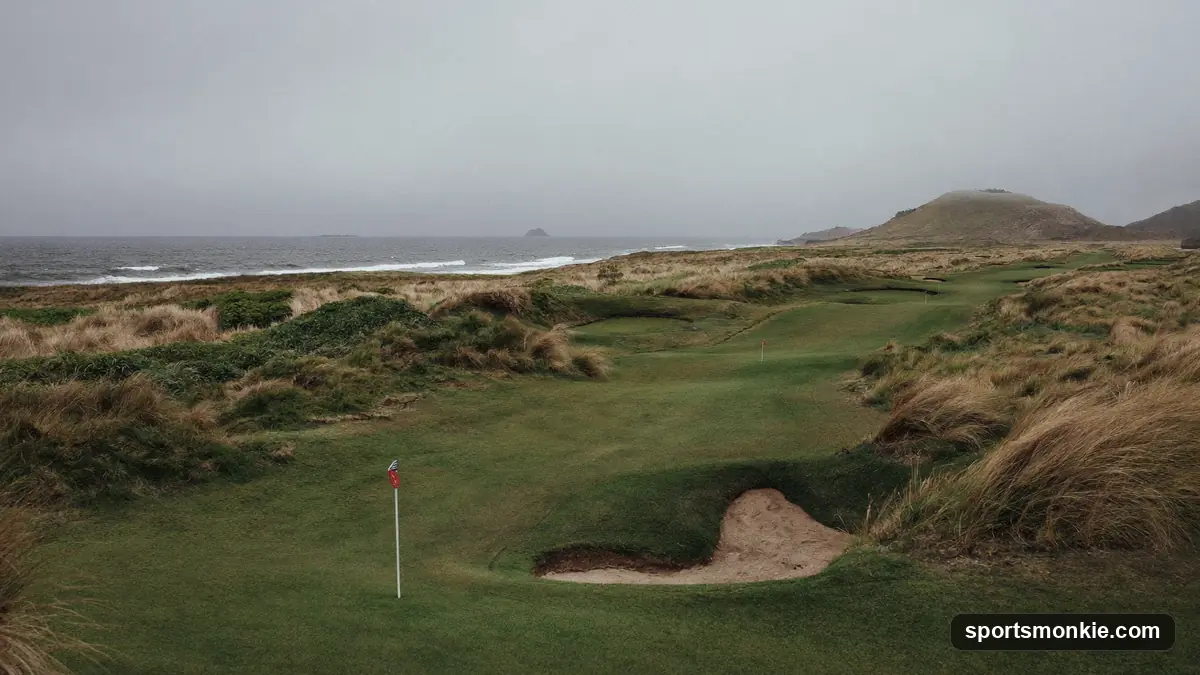
A links golf course is one laid out on sandy coastal land: the rolling strip of dunes and rough grass that sits between the sea and the farmland inland. That ground gives links their signature look and feel, few trees, firm turf, deep bunkers and open wind, and it changes how the game is played. On a true links you run the ball along the ground far more than you fly it to the pin.
The term is one of the most misused in golf. Plenty of courses are called links because they sit near water or look windswept, but a genuine links is defined by the land it is built on, not the marketing. Here is what actually makes a links, and why it plays so differently from the parkland course most golfers grew up on.
What defines a true links
A true links is a matter of geography before design. It has to sit on linksland: sandy, free-draining coastal soil that was historically useless for farming. Everything else follows from that ground.
- Sandy, free-draining soil that stays firm and rarely floods, so the turf plays fast and hard.
- Few or no trees, because little grows on exposed, salty, sandy ground.
- Natural dune terrain with humps, hollows and blind shots shaped by wind rather than bulldozers.
- Firm fescue turf that lets the ball bounce and roll on landing.
- Deep pot bunkers, often revetted with stacked turf walls, that punish a stray shot severely.
- Constant wind, the coastal weather that turns a calm layout into a brute in an afternoon.
Take away the sandy coastal land and you do not have a links, no matter how the course is styled.
Where the name comes from
The word “links” comes from the Old English “hlinc”, meaning a ridge or rising ground. Linksland was the undulating ground that linked the sea to the arable fields further inland. It was too sandy to plough, so communities used it for grazing, recreation and, from the earliest days of the sport, golf.
That origin is why the name describes land rather than a look. St Andrews, the home of golf and the base of the sport’s governing body, sits on exactly this kind of ground, which is why it is the archetype every other links is measured against.
Links vs parkland
The clearest way to understand a links is to set it beside the parkland course most golfers know. The two ask for almost opposite games.
| Feature | Links | Parkland |
|---|---|---|
| Location | Sandy coast | Inland |
| Trees | Few or none | Tree-lined |
| Turf | Firm, fast fescue | Soft, watered |
| Ball on landing | Bounces and runs | Stops quickly |
| Main hazard | Wind and pot bunkers | Trees, water, rough |
| Winning shot | Ground game, bump-and-run | Aerial, target golf |
On parkland you fly the ball to a soft green and it stops near where it lands. On a links the ground is firm and the wind is live, so you have to land the ball short and let it run, reading bounces the way a pool player reads a cushion. Our guide to the bump-and-run golf shot covers exactly the low, running stroke that links golf rewards.
Why links golf plays so hard
The difficulty of a links is not length; many are shorter than modern parkland courses. It is variability. The same hole can play two clubs different depending on the wind, and a well-struck approach can bound through a firm green and into trouble.
The pot bunkers add a second layer of jeopardy. Their steep, revetted faces often force a player to chip out sideways rather than advance the ball, turning a single mistake into a lost shot. Combine firm greens, blind shots over dunes and swirling wind, and you get a test that rewards imagination and punishes rigid, one-dimensional golf. It is why The Open Championship, played only on links, produces such varied winners. Several of these coastal tests rank among the hardest golf courses in the world for exactly these reasons.
The great links and their history
Links courses are the oldest in the game, because golf grew up on this ground in Scotland. The R&A keeps The Open on a rota of links layouts across Britain and Ireland, preserving the style as the sport’s original examination.
If you want to trace that lineage, our roundup of the oldest golf courses in the world is full of links, and our look at St Andrews green fees covers what it costs to play the most famous linksland of all.
How to play a links well
If you only ever play parkland, a links can feel unfair on a first visit, because shots you trust simply do not behave the same way. The adjustment is mental before it is technical: accept that the ground is part of the game and stop trying to fly everything to the flag.
Keep the ball flight low to cheat the wind, land approaches short of firm greens and let them release, and treat the deep pot bunkers as places to avoid at all costs rather than hazards to be clever from. Local knowledge is huge, which is why caddies matter more on a links than almost anywhere else; they know which slopes feed toward the hole and which humps kick a good shot into trouble. Play the bounces instead of fighting them and a links stops feeling like a trick and starts feeling like the oldest, purest form of the game.
The short version: a links is a course on sandy coastal linksland, firm, treeless, windy and bunkered, where you run the ball rather than fly it, and if it is not on that ground, it is not a true links.
Frequently asked questions
What's the difference between links golf and regular golf?+
Most everyday courses are parkland: inland, tree-lined, with soft, watered turf that lets you fly the ball to the green and stop it. Links golf is played on firm, windy coastal ground where the ball runs on landing, so you bump shots along the fairway and use the contours. The strategy shifts from aerial precision to ground-game creativity.
Why do they call it a links course?+
The name comes from the Old English word hlinc, meaning a ridge or rising ground. Linksland was the sandy, undulating strip that linked the sea to the arable farmland inland, useless for crops but perfect for grazing and, eventually, golf. The word describes the land itself, not a style, which is why a true links must sit on that coastal ground.
What is a derogatory name for a golfer?+
A hacker or a duffer is the common mildly mocking term for a poor or unskilled golfer, someone who hacks the ball around rather than striking it cleanly. Neither is truly offensive; they are used affectionately as often as critically, and plenty of golfers cheerfully call themselves hackers.
Is every seaside course a true links?+
No. A course beside the sea can still be parkland or clifftop if it sits on heavy soil with trees and soft turf. A true links is defined by sandy, free-draining linksland and the dunes-and-fescue character that comes with it. Many courses marketed as links are technically heathland or parkland by land type.
Sources
Play & tools
Free browser games and tools — no account, no download.
- Play today's Sports Connections — Today's Sports Connections — daily hints, answers, and play the grid.
- Play Guess the NFL Player — A new mystery NFL player every day. Eight guesses, with a clue on each — plus free unlimited mode.
- Explore all our games →
Related golf guides
View all →
Celtic Fans Throw Tennis Balls at Owner Dermot Desmond During Dunhill Links at St Andrews
Celtic fans threw dozens of tennis balls at club owner Dermot Desmond at the Alfred Dunhill Links in St Andrews, and Celtic have severed ties with the fan group.

Best Ball Golf Format: Rules and How to Score
In best ball golf, each player plays their own ball and the team takes the lowest score on each hole. Rules, scoring and how it differs from a scramble.

The 4 Golf Majors in Order
The four men's golf majors in calendar order: the Masters, the PGA Championship, the U.S. Open and The Open Championship. Dates, venues and history.

Golf Scramble Rules: Format & Handicaps
Golf scramble rules: everyone tees off, the team plays the best shot, and records one score per hole. Handicaps, the Texas scramble and lie rules.

Nassau Golf Game: Rules, Presses, Payouts
A Nassau is three golf bets in one round: front nine, back nine and overall 18. How a $2 Nassau works, how presses add up, and how payouts are settled.
What Is a Shotgun Start in Golf?
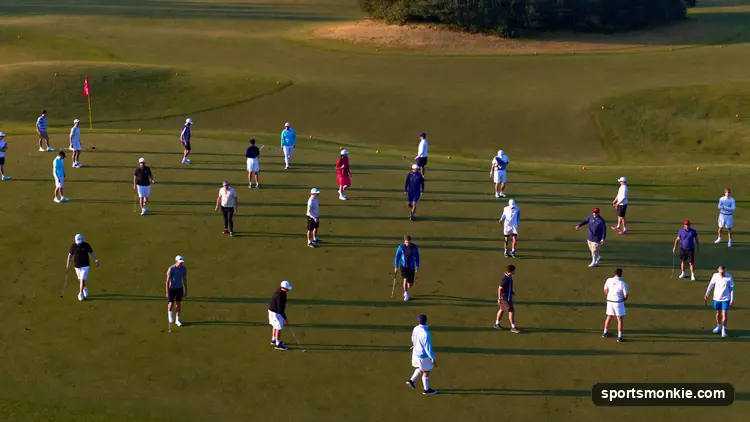
A shotgun start sends every group out to a different hole at the same time, so all players begin and finish together. How it works and why events use it.