
Wasim Akram: The Sultan of Swing and Greatest Left-Arm Bowler
On this page6
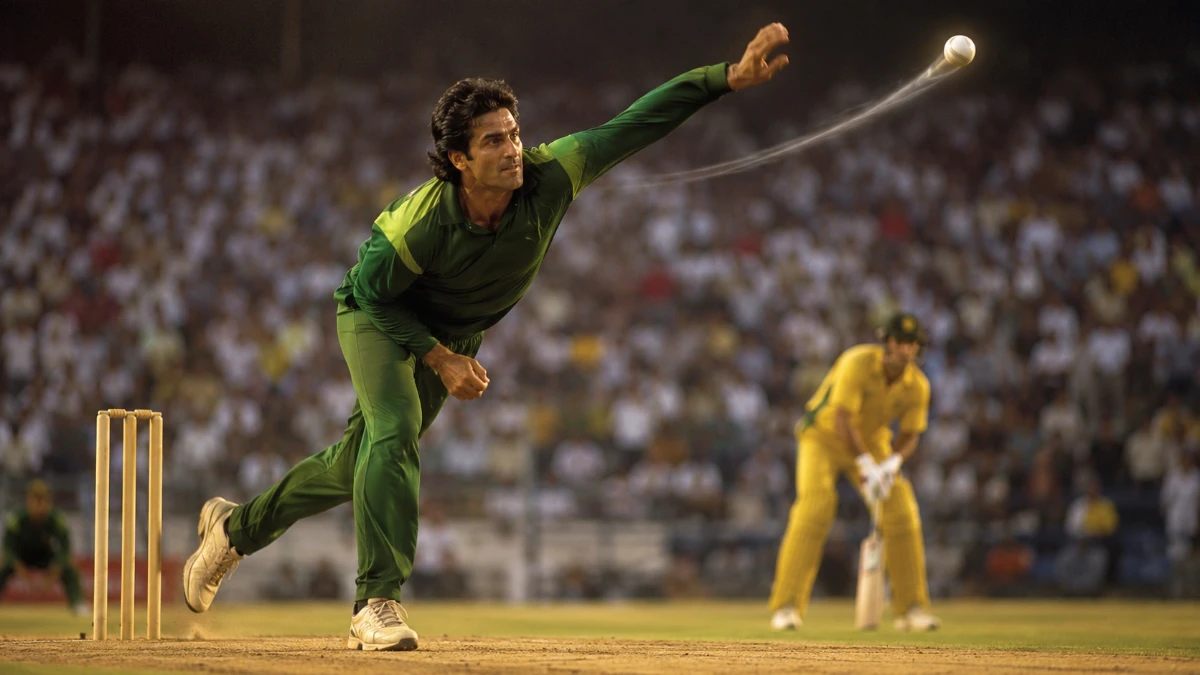
Ask any batter who faced Pakistan in the 1990s about the ball they feared most, and the answer is usually the same: a fast, late-swinging yorker from Wasim Akram, arriving from an unpredictable left-arm angle just as they thought the danger had passed. More than two decades after his retirement, Akram is still the benchmark against which every left-arm fast bowler is measured.
Why Wasim Akram Is Rated So Highly
Wasim Akram combined qualities rarely found in one bowler: genuine pace, the ability to swing the new ball both ways, mastery of reverse swing with the old ball, pinpoint accuracy, and a devastating yorker. He could open the bowling and return to blow away the tail, all while contributing hard-hitting lower-order runs. That completeness, sustained across 18 years of international cricket, is why he sits at the very top of the fast-bowling pantheon.
The Numbers Behind the Legend
Akram finished with 916 international wickets — 414 in Tests and 502 in One Day Internationals. He was the first bowler in history to take 500 ODI wickets, and he remains second only to Muttiah Muralitharan on the all-time ODI list. He also took four hat-tricks in international cricket — two in Tests and two in ODIs — and scored a Test double century, underlining his value as a genuine all-rounder.
| Format | Wickets | Notable |
|---|---|---|
| Tests | 414 | Best figures 7/119; two hat-tricks |
| ODIs | 502 | First to 500; two hat-tricks |
| International total | 916 | Among the most in history |
The Master of Swing
What set Akram apart was his command of the ball in the air. With a new ball he swung it both ways, disguising the direction until the last moment. With an old ball he became even more dangerous, generating reverse swing at pace that produced the in-swinging yorkers that became his signature. He did much of this with a short, deceptive run-up and a lightning-quick arm, giving batters almost no time to react.
The 1992 World Cup
Akram’s crowning moment came at the 1992 World Cup. In the final against England he struck two vital blows in successive deliveries to break the back of the chase and was named Man of the Match, sealing Pakistan’s first and only 50-over World Cup title under Imran Khan’s captaincy. It remains one of the defining performances of his career.
The Two Ws
Alongside Waqar Younis, Akram formed the most feared new-ball partnership cricket has seen. Where Waqar relied on express pace and reverse-swinging yorkers, Akram brought variety, control, and the left-arm angle. Between them, the “Two Ws” tore through batting line-ups around the world and made Pakistan’s attack a nightmare to face on any surface.
Legacy and Influence
Since retiring in 2003, Akram has stayed at the heart of the game as a broadcaster, analyst, and bowling coach in franchise leagues. His technical insights have shaped how reverse swing and death bowling are taught, and a generation of left-arm quicks has grown up trying to copy his action. Inducted into the ICC Hall of Fame, Wasim Akram is not just a Pakistani great but one of the finest fast bowlers the sport has ever produced, and he’s a fixture on any list of the most popular sportsmen in Pakistan.
See also how this compares in Shoaib Akhtar’s Wife.
Frequently asked questions
Why is Wasim Akram called the 'Sultan of Swing'?+
Wasim Akram earned the nickname 'Sultan of Swing' for his extraordinary ability to swing the ball both ways at high pace with either a new or old ball. His mastery of conventional and reverse swing, delivered from a whippy left-arm action, made him almost unplayable at his best.
How many wickets did Wasim Akram take?+
Wasim Akram took 916 wickets in international cricket — 414 in Tests and 502 in One Day Internationals. He was the first bowler to reach 500 ODI wickets and remains second only to Muttiah Muralitharan on the all-time ODI list, a testament to his skill and longevity.
Is Wasim Akram the greatest left-arm bowler ever?+
Yes, Wasim Akram is almost universally regarded as the greatest left-arm fast bowler in cricket history. His combination of pace, swing both ways, reverse swing, and a lethal yorker, sustained across a long career, sets him apart from every other left-arm quick.
Did Wasim Akram win the Cricket World Cup?+
Yes. Wasim Akram was a key figure in Pakistan's 1992 Cricket World Cup triumph, taking two crucial wickets in the final against England and being named Man of the Match. Alongside Waqar Younis, he formed one of the most feared new-ball partnerships in history.
What made Wasim Akram's reverse swing so dangerous?+
Wasim Akram, with Waqar Younis, popularised reverse swing on the international stage. Using an old ball, he could swing it late and at pace toward the batter's toes, producing devastating in-swinging yorkers that shattered stumps and exposed lower-order batters, a skill coaches still teach from his example.
What is Wasim Akram doing now?+
Since retiring in 2003, Wasim Akram has become one of cricket's most respected television commentators and analysts, and has worked as a bowling coach and mentor in franchise leagues. He remains an influential ambassador for Pakistan cricket and the fast-bowling craft.
How does Wasim Akram compare to Waqar Younis?+
Wasim Akram and Waqar Younis formed cricket's most feared new-ball pairing, the 'Two Ws'. Akram offered more variety — swing both ways, control, and left-arm angle — while Waqar was famous for express pace and toe-crushing reverse-swinging yorkers. Together they were devastating, and both rank among the greatest quicks ever.
Sources
Play & tools
Free browser games and tools — no account, no download.
- Play today's Sports Connections — Today's Sports Connections — daily hints, answers, and play the grid.
- Play Guess the NFL Player — A new mystery NFL player every day. Eight guesses, with a clue on each — plus free unlimited mode.
- Explore all our games →
Related cricket guides
View all →
Greatest Fast Bowlers in Cricket History, Ranked
The 12 greatest fast bowlers in cricket history, ranked by Test average, strike rate, and longevity: Marshall, Akram, McGrath, Ambrose, Steyn, and more.

Conventional vs Reverse Swing in Cricket: The Difference
Conventional swing moves the new ball toward the shine; reverse swing makes an old ball curve the opposite way at pace. Here's what separates them.
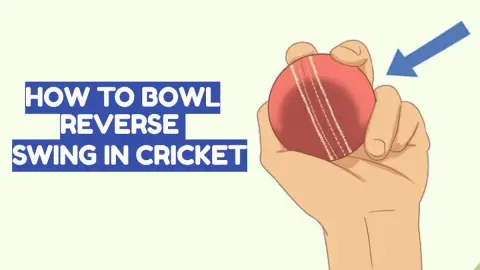
How to Bowl Reverse Swing in Cricket: Technique Explained
Reverse swing makes an old, scuffed ball curve opposite to normal swing. Keep the shiny side toward your target, angle the seam, and bowl at high pace.
Imam-ul-Haq Biography: Pakistan's Left-Handed Opener
Imam-ul-Haq is a Pakistani left-handed opener known for consistent ODIs. He debuted in 2017 and ranks among Pakistan's most reliable white-ball batters.
Best Cricket Coaches Ever: 12 Greatest Ranked (2026)
John Buchanan leads our best cricket coaches ranking. See the all-time top 12 plus the 2026 cases for Gautam Gambhir, Andrew McDonald and Gary Kirsten.
Greatest Cricketers of All Time: The Full Ranked List
Don Bradman's 99.94 average tops our ranked list of the 14 greatest cricketers ever, from Tendulkar and Sobers to Warne, Murali and Kohli, with the stats behind each.