
Conventional vs Reverse Swing in Cricket: The Difference
On this page5
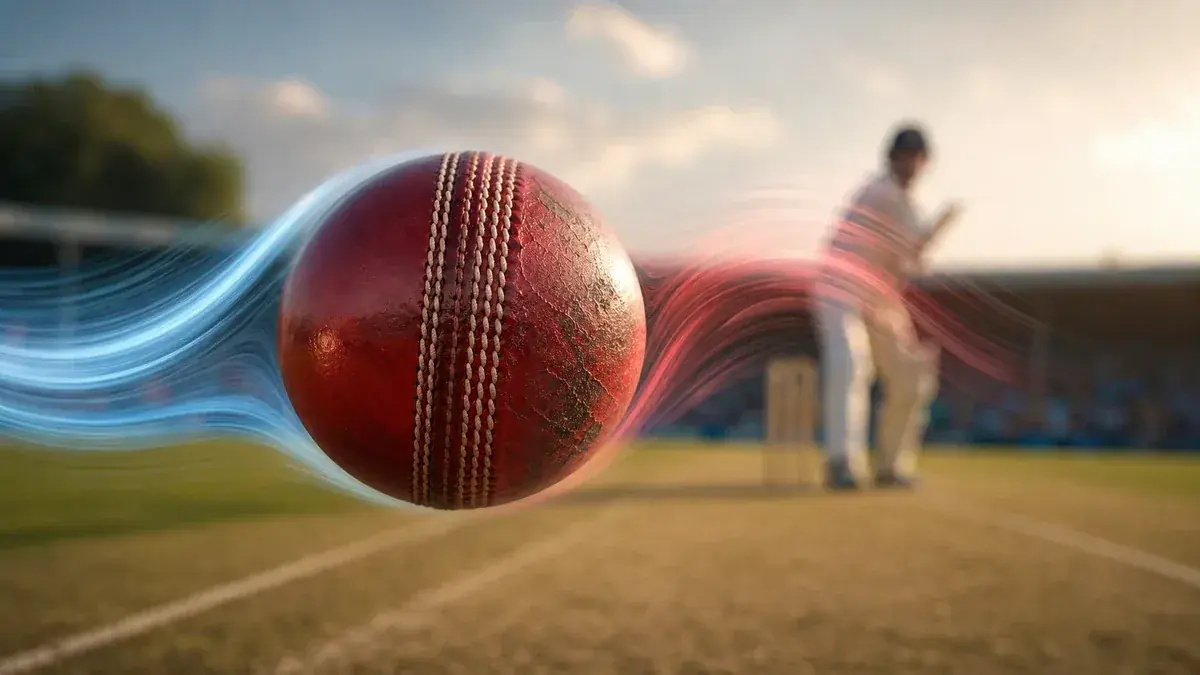
Any fan who has watched a fast bowler at the death in an IPL match or an Asia Cup thriller has seen reverse swing bamboozle set batters. The ball that behaved one way for 30 overs suddenly starts hooping in the other direction. Understanding why comes down to one thing: the state of the ball.
Conventional swing: the new-ball art
Conventional swing is what a bowler gets early in an innings with a newer, shinier ball. By keeping one side of the ball polished and the other rougher, and angling the seam, the bowler makes air travel at different speeds over each side. The ball drifts through the air toward the shiny side.
An outswinger moves away from a right-handed batter; an inswinger curves in toward the stumps. The pace is usually moderate, and the movement is gradual and readable if the batter watches the seam and the shine.
Reverse swing: the old-ball weapon
Reverse swing shows up later, once the ball is old and one side has become genuinely rough and scuffed while the other stays smoother. At high speed, the airflow behaves differently, and the ball swings toward the rough side. Crucially, that is the opposite of what conventional swing would do with the same shine, which is why batters get deceived.
Two things make reverse especially dangerous. It tends to happen at higher pace, and it often moves late, curving sharply in the last few metres when the batter has already committed. A reverse-swinging yorker at 145 kph is one of the hardest balls in the sport to keep out.
Side by side
| Feature | Conventional swing | Reverse swing |
|---|---|---|
| Ball age | New / newer | Old, worn |
| Ball condition | One side shiny, one normal | One side rough, one smoother |
| Direction | Toward the shiny side | Toward the rough side |
| Typical pace | Moderate | High |
| When it moves | Gradual through flight | Often late |
Why the ball’s condition is everything
The whole difference is the ball. Bowling teams work hard to maintain one shiny side and let the other roughen naturally through the game, which is what unlocks reverse swing later on. Cricket’s laws allow polishing the ball with sweat or saliva-based methods as permitted from time to time, and shining it on clothing, but they strictly ban artificially altering the surface, for example scratching it or applying substances. Ball-tampering cases have made headlines precisely because reverse swing is so valuable that some have crossed that line.
Conditions matter too. Dry, abrasive outfields and hot weather rough the ball up faster, which is one reason reverse swing has long been a feature on subcontinent pitches familiar to fans across India and Pakistan.
Learning to spot it
The tell is timing and direction. If a ball is new and curving toward the shine, that is conventional. If the ball is 30-plus overs old, coming through fast, and darting toward the scuffed side late, you are watching reverse. Once you know the difference, death-overs bowling becomes far more interesting to follow.
For the practical mechanics, it helps to read up on how to bowl reverse swing and the broader types of bowling in cricket, which put swing alongside seam, spin and pace in the full fast-bowling toolkit.
It is worth pairing this with our guide to Cricket Ball Size and Weight.
See also how this compares in Most ODI Wickets in Cricket.
Frequently asked questions
What is the difference between conventional and reverse swing?+
Conventional swing happens with a newer ball and moves in the direction the shiny side faces, away from the seam angle. Reverse swing happens with an older, roughed-up ball and curves the opposite way, often late and at high pace.
Why does an old ball reverse swing?+
When one side of the ball becomes rough and scuffed while the other stays smoother, the airflow changes at high speed. This makes the ball swing toward the rough side, the reverse of conventional swing.
Who are famous reverse swing bowlers?+
Pakistan's Wasim Akram and Waqar Younis are widely credited with mastering and popularising reverse swing in the 1980s and 1990s. Many fast bowlers across India, Pakistan and beyond have used it since.
Sources
Play & tools
Free browser games and tools — no account, no download.
- Play today's Sports Connections — Today's Sports Connections — daily hints, answers, and play the grid.
- Play Guess the NFL Player — A new mystery NFL player every day. Eight guesses, with a clue on each — plus free unlimited mode.
- Explore all our games →
Related cricket guides
View all →
How to Bowl Reverse Swing in Cricket: Technique Explained
Reverse swing makes an old, scuffed ball curve opposite to normal swing. Keep the shiny side toward your target, angle the seam, and bowl at high pace.
Types of Bowling in Cricket: Pace and Spin Explained
A clear guide to the types of bowling in cricket, from fast and swing bowling to off spin, leg spin, and deliveries like the yorker, googly, and doosra.
Why Cricket Is Not in the Olympics: The Full Story
Cricket has never been a permanent Olympic sport due to governance disputes, calendar conflicts and ICC reluctance to cede control to the IOC. Here is why.
Current Fastest Bowlers in Cricket: 2026 Ranking
Who is the fastest active cricket bowler in 2026? Compare verified peak speeds, match context, measurement limits, and the difference between current and all-time records.

Tallest Bowlers in Cricket History
Mohammad Irfan, at 7 ft 1 in, is the tallest bowler in cricket history. Here are the giants of fast bowling and how their height turned into steepling bounce.
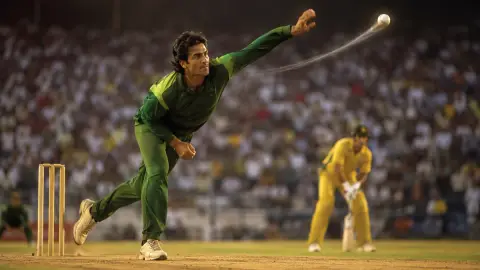
Wasim Akram: The Sultan of Swing and Greatest Left-Arm Bowler
Wasim Akram is widely regarded as cricket's greatest left-arm fast bowler, with 916 international wickets, a 1992 World Cup and mastery of reverse swing.