
Racing Sim Rig: The Complete Beginner's Guide

On this page8
- 01What actually makes up a sim racing rig?
- 02The three types of sim racing rigs
- 03How much does a complete rig actually cost, start to finish?
- 04Pre-built or DIY: which should you actually choose?
- 05How much space does a sim racing rig need?
- 06Does direct drive vs. belt drive change what rig you need?
- 07Which rig actually fits your budget and space?
- 08The bottom line
A racing sim rig is the frame, seat, and mounting hardware that holds your steering wheelbase, pedals, and monitor in a fixed position while you drive a racing simulator like iRacing or Assetto Corsa Competizione. It is not the wheel or the pedals themselves, it is what keeps them from sliding or flexing under braking and cornering forces. Prices for a full sim racing rig setup run from about $70 for a basic folding wheel stand to $3,000 or more for a modular aluminum-extrusion cockpit built to hold a high-torque direct-drive wheelbase. For most people starting out, the right buy is a $349 to $800 fixed cockpit, not the cheapest stand and not the most expensive rig on the page.
What actually makes up a sim racing rig?
Five parts, and most buying mistakes come from treating them as one purchase instead of five decisions.
- Frame – the structural skeleton: steel tubing, aluminum extrusion, or wood. This is what “sim racing rig” technically refers to.
- Wheelbase – the motor that drives your steering wheel and delivers force feedback. Belt-driven and direct-drive units mount differently and demand different frame rigidity.
- Pedals – two or three pedals, ranging from basic potentiometer units to load-cell brakes that read pressure instead of travel.
- Seat – bucket-style racing seats bolt to rails on the frame; some entry cockpits let you keep your own office chair instead.
- Monitor mount – a single-screen arm or a triple-monitor stand, usually the last thing buyers budget for and the first thing they wish they’d planned around.
Skimp on the frame and every other part suffers: a $600 wheelbase mounted to a flexing $80 stand loses most of its force feedback fidelity before it reaches your hands.
The three types of sim racing rigs
| Rig type | Typical price (2026, USD) | Best for |
|---|---|---|
| Wheel stand | $70 – $300 | Small spaces, renters, testing the hobby before committing |
| Fixed cockpit (steel or aluminum) | $349 – $800 | Most beginners who want a permanent, adjustable setup |
| Full aluminum-extrusion rig | $700 – $3,000+ | Direct-drive wheels above 15Nm, modular upgrades, handbrake/shifter add-ons |
| Motion rig | $2,500 – $10,000+ | Enthusiasts chasing tactile road feel, a category of its own |
Wheel stands fold flat and store in a closet, which is the entire appeal. They work with belt-driven wheels and light direct-drive units, but most stands start to flex once you’re braking hard with anything above 5-6Nm.
Fixed cockpits are where most beginners land, and for good reason. The Trak Racer TR40S is a good reference point at $349, built from 40x40mm and 80x40mm aluminum T-slot extrusion and rated for wheelbases up to 10Nm. Fanatec’s CSL Cockpit V1.5 sits nearby, starting at $299.99 for the bare aluminum-and-steel-bracket frame or $399.99 bundled with a matching seat. On the steel side, Next Level Racing’s GTtrack runs $799 with a laser-cut, robot-welded carbon steel frame, heavier than aluminum but rigid enough for serious direct-drive torque out of the box.
Full aluminum-extrusion rigs are the ceiling for most home setups: fully modular T-slot frames that hold 15Nm-plus wheelbases without flex and let you bolt on a handbrake, shifter, or triple-monitor stand later without buying a new frame. Motion rigs, which add actuators that tilt and shift the whole cockpit under acceleration and cornering, are enough of a different purchase that they deserve their own breakdown, which we cover in our sim racing motion rig guide.
How much does a complete rig actually cost, start to finish?
The frame is one line item on a longer bill. Here’s what a realistic total looks like at three tiers, current as of mid-2026:
- Entry (~$450-$750): A wheel stand or the TR40S frame, plus the Moza R5 bundle at $379, which includes a 5.5Nm direct-drive wheelbase, wheel, and pedals in one box. No seat needed if you’re using an existing chair.
- Mid-range (~$1,200-$1,800): A $349-$800 cockpit frame, a bucket seat ($150-$420 separately, since most cockpits sell frames without one), a direct-drive wheelbase in the 8-9Nm range, load-cell pedals, and a single monitor arm.
- Enthusiast (~$2,500-$4,000+): A full aluminum-extrusion rig, a wheelbase above 15Nm, three-pedal load-cell hydraulics, a triple-monitor rig, and often a handbrake or sequential shifter as separate add-ons.
Notice the pattern: the frame itself is rarely the most expensive part of the build past the entry tier. Seats and wheelbases eat the rest of the budget, which is why buying a cockpit that’s rated for more torque than you currently own is usually smarter than buying the cheapest frame and upgrading twice.
These are US prices, and international buyers shouldn’t assume a straight currency conversion. The TR40S sells direct from Trak Racer’s UK storefront for £279, which lands close to a like-for-like conversion of the $349 US price. Australian pricing runs heavier: local retailers list the Moza R5 bundle around AU$729, well above what a simple exchange-rate conversion of the US price would suggest, largely down to import duty and GST. Canadian buyers typically land between the two, with GST or HST added at checkout rather than baked into the sticker price.
Pre-built or DIY: which should you actually choose?
Buy pre-built unless building things is part of the hobby for you, not a cost-cutting chore. Open Sim Rigs and similar sites sell aluminum-extrusion plans for $6 to $55, and sourcing 15-series T-slot profile in the US instead of the metric 40-series standard can save $150 or more in material and shipping. That’s real money. It also means measuring, cutting, and squaring a frame yourself, and a cockpit that’s a few millimeters out of square will transmit that flex straight into your braking feel.
Some first-time builders use wood or MDF instead of extrusion to cut costs further. It works for lighter belt-driven wheels and keeps the budget lowest of any option, but it’s harder to reconfigure later if you add a handbrake or upgrade to a heavier wheelbase. We break down exactly where wood holds up and where it doesn’t in our aluminum vs. wood sim racing rig materials guide.
How much space does a sim racing rig need?
More than most first-time buyers expect. Fanatec’s own space guidance puts a seated cockpit setup at 80-200cm of width and 150-300cm of depth, and that’s before adding a triple-monitor stand angled outward, which pushes the width toward the higher end of that range. Height clearance runs 120-150cm for the frame and seat alone, not counting monitor arms.
If you’re working with a corner of a bedroom or a shared space, a folding wheel stand is the honest answer, not a compact cockpit. Most stands store under 60x115cm and let you leave the wheel and pedals mounted while folded, which matters if you’re setting up and tearing down every session rather than leaving a rig permanently deployed.
Does direct drive vs. belt drive change what rig you need?
Yes, more than most buying guides admit. A belt-driven wheel under 5Nm works fine on a basic wheel stand or a lightweight frame. A direct-drive wheelbase connects the motor straight to the wheel shaft with no belt to absorb shock, so the full force of every curb strike and lockup goes straight into the frame. That’s exactly why the TR40S caps out at 10Nm and heavier steel frames like the GTtrack exist: the frame has to be rigid enough to not become the weak link once you upgrade the wheelbase. If you’re deciding between the two technologies before you even shop for a frame, our direct drive vs. belt drive comparison covers the force-feedback and price differences in full.
Which rig actually fits your budget and space?
- Renting, sharing a room, or just curious: a $70-$150 wheel stand with your existing chair. Don’t buy a cockpit yet.
- Committed but space-limited: a foldable or compact cockpit, or a wall-mounted budget build under 80x60cm.
- Ready for a permanent setup: the $349-$800 fixed-cockpit tier is the sweet spot for nearly everyone reading this, rigid enough for a real direct-drive wheelbase, priced low enough that a wrong choice doesn’t sting.
- Chasing simulator-grade precision: a full aluminum-extrusion rig rated 15Nm-plus, built to take a handbrake, shifter, and triple monitors without a second purchase.
If your budget caps out closer to $500 all-in, including the wheelbase, we’ve put together exact picks by price point in our best budget sim racing setup guide, and if seat comfort and adjustability matter more to you than frame material, our best sim racing cockpit roundup ranks the current field by fit and build quality rather than price alone.
The bottom line
Buy the frame for the wheelbase you’ll own in a year, not the one you own today. A $349 aluminum cockpit rated to 10Nm covers almost every direct-drive wheel a beginner actually buys, and it’s the tier where the money stops going to the frame and starts going to the parts that change how the car actually feels under you. Wheel stands are honest budget and space-saving choices, not compromises, as long as you’re not pairing one with a wheelbase it can’t hold steady. And unless building things is genuinely part of the appeal for you, the $150-plus savings from a DIY aluminum-extrusion build rarely outweighs the assembly time and the risk of a frame that’s slightly out of square.
Frequently asked questions
How much does a basic racing sim rig cost?+
A usable setup starts around $450 to $700: a wheel stand or entry aluminum cockpit like the Trak Racer TR40S at $349, plus a direct-drive bundle such as the Moza R5 at $379, which includes a wheelbase, wheel, and pedals. You can go cheaper with a $70 to $150 wheel stand paired with a belt-driven wheel, but spin rate and force feedback quality drop with it.
Do I need a full cockpit, or is a wheel stand enough?+
A wheel stand is enough if you already own a sturdy chair, have limited space, or are testing whether sim racing sticks. Once you add a direct-drive wheelbase above roughly 5Nm or want a fixed seat position lap after lap, a dedicated cockpit stops flexing and drifting the way stands do under load.
Can I build my own sim racing rig cheaper than buying one?+
Usually, yes, if you have basic tools and time. Aluminum-extrusion plans from sites like Open Sim Rigs run $6 to $55, and sourcing 15-series T-slot profile yourself typically saves $150 or more over a comparable pre-built frame. The trade-off is assembly time and the risk of a wobblier result if your cuts aren't square.
How much physical space does a sim racing rig need?+
Budget 80 to 200cm of width and 150 to 300cm of depth for a seated cockpit with a monitor, per Fanatec's own space guidance, more if you're running triple monitors at an angle. Folding wheel stands need far less, often under 60x115cm when stored, and some wall-mounted budget builds deploy in as little as 80x60cm.
What torque wheelbase can an entry-level rig handle?+
Most sub-$400 aluminum cockpits, including the Trak Racer TR40S, are rated up to 10Nm, which covers the vast majority of direct-drive wheelbases people actually buy, like the Moza R5 (5.5Nm) or R9 (9Nm). Anything above 15 to 18Nm needs a steel-reinforced or heavier-gauge aluminum frame or the chassis will flex under braking.
Should a beginner buy wood, steel, or aluminum extrusion?+
Aluminum extrusion is the best default for a first rig: it's rigid, modular, and easy to reconfigure as you add a handbrake or shifter. Wood or MDF DIY builds are the cheapest entry point and fine for low-torque wheels, but they're harder to expand later. See our full materials breakdown for the trade-offs in detail.
Sources
- Fanatec – CSL Cockpit V1.5 (price and frame materials)
- Trak Racer – TR40S Racing Simulator (price, torque rating, aluminum extrusion specs)
- Next Level Racing – GTtrack Cockpit (price and steel frame construction)
- MOZA Racing – R5 Racing Bundle (direct-drive wheelbase and pedal pricing)
- Fanatec – How Much Space Do Cockpit Setups Need (space requirements by rig type)
- Open Sim Rigs – Metal Sim Rig Plans (DIY aluminum-extrusion plans and pricing)
Play & tools
Free browser games and tools — no account, no download.
- Play 24-0 — Draft an F1 chassis and two drivers, then chase a perfect 24-0 — win every race on the 24-round calendar.
- Explore all our games →
Related motorsport guides
View all →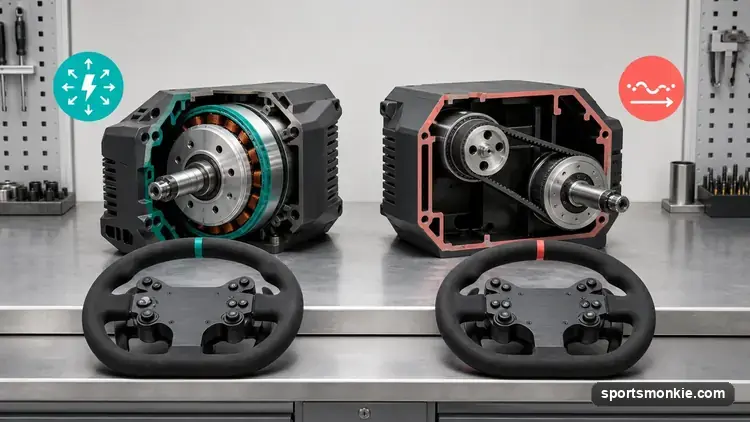
Direct Drive vs. Belt Drive: Which Wheelbase Do You Need?
Direct drive vs belt drive sim racing wheelbases compared on torque, price, noise, and durability, with real 2026 product numbers to help you pick.
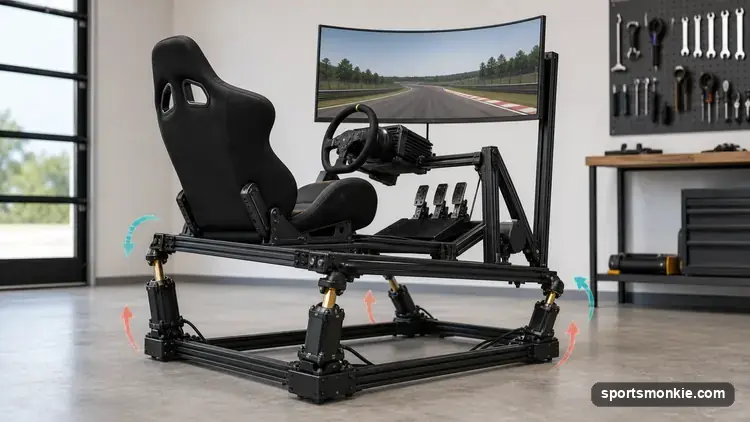
Sim Racing Motion Rigs: What They Do and Whether You Need One
A sim racing motion rig physically tilts and shifts your cockpit to mimic G-forces. Real 2026 prices from $1,499 to $30,000, and who actually needs one.
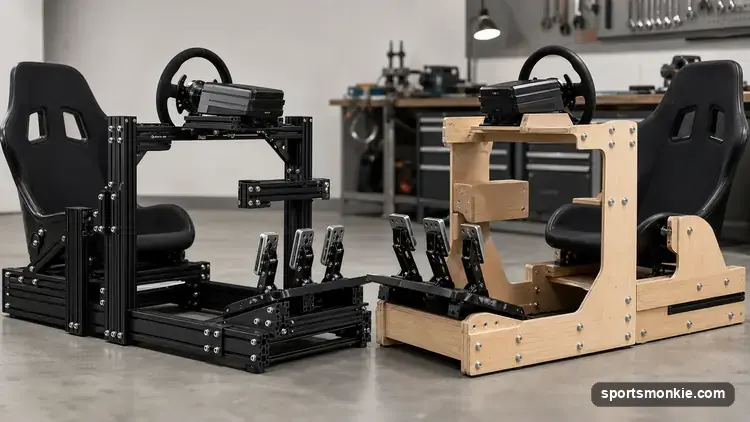
Aluminum vs. Wood Sim Racing Rigs: Does Frame Material Matter?
Aluminum extrusion vs wood sim racing rigs compared on rigidity under direct drive torque, real 2026 cost, modularity, and DIY difficulty.

Best Budget Sim Racing Setup: What to Buy Under $500
The best budget sim racing setup costs $230-500: a wheel-and-pedal bundle, a desk clamp, and no fancy rig. Real 2026 prices and picks.
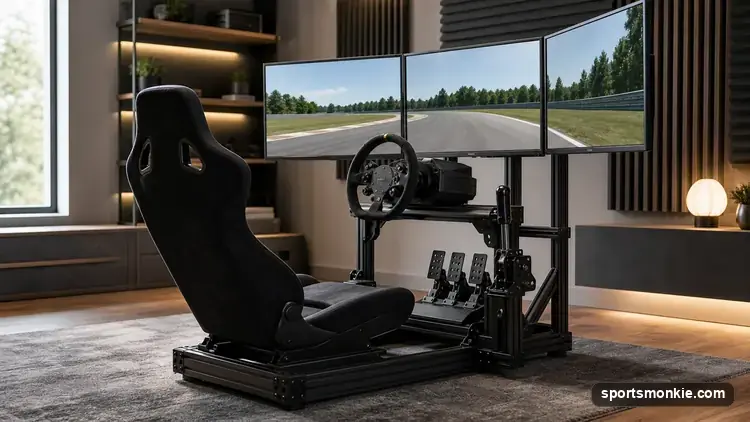
Best Sim Racing Cockpits in 2026
The best sim racing cockpit for most buyers is a folding aluminum or steel rig under $250. Compare folding, fixed, seat and triple-monitor picks by price.

Singapore Sprint Sets a Record With Nine Retirements as Russell Crashes From the Lead
Nine cars retired from Saturday's Singapore sprint, a record for the format: Russell crashed from the lead, and the McLarens collided on the last lap.