
Lacrosse Ball Massage: Why It Works and How to Do It
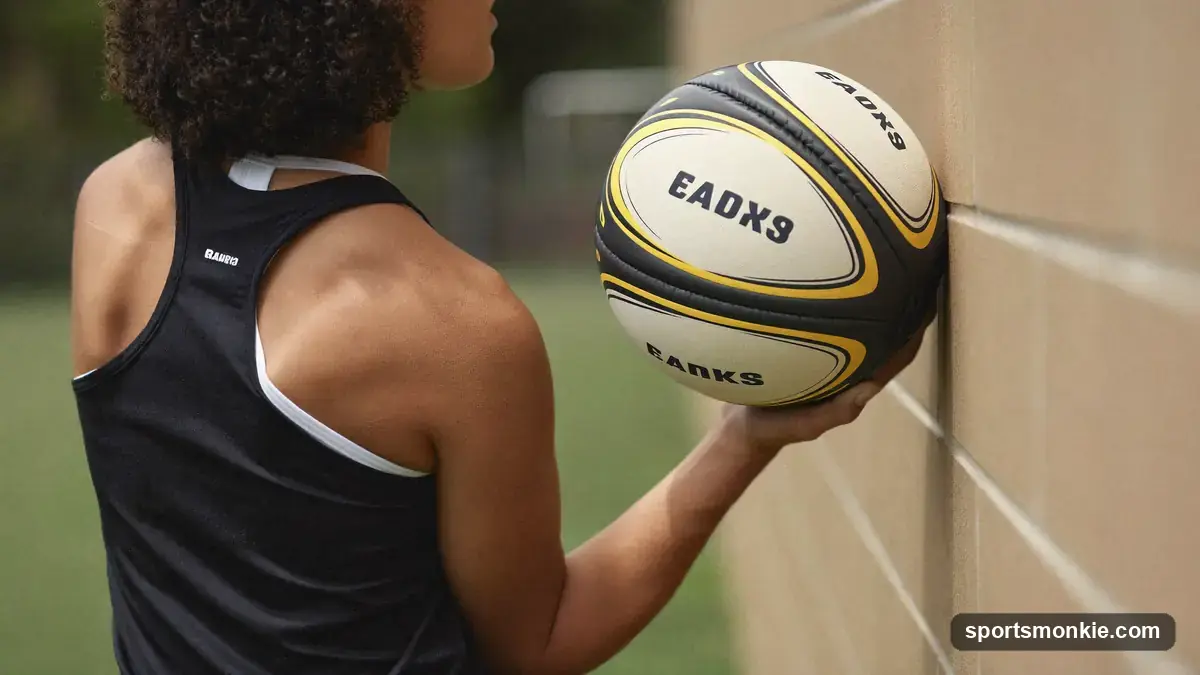
On this page5
A lacrosse ball works for self-massage because it is small, solid and hard, so it drives focused pressure into a single muscle knot that a larger foam roller simply rolls over. To use one, place the ball between a tight muscle and the floor or a wall, lean in with pressure you can tolerate, and hold on the tender spot for 30 to 90 seconds until it releases. It is one of the cheapest, most effective recovery tools you can own — and one of the easiest to misuse, so the safety rules matter.
Why a lacrosse ball, specifically?
The point is the shape and the density. A regulation lacrosse ball is solid rubber and rock-hard by design, and at roughly two-and-a-half inches across it fits neatly under a knotted spot. That combination lets it get into the small, deep trigger points, the exact places a broad foam roller cannot reach.
This is self-myofascial release: applying sustained pressure to a tight band of muscle and its surrounding fascia so it can relax and lengthen. Per the Cleveland Clinic, holding firm pressure on a trigger point for up to 90 seconds is a standard approach, and the goal is improved range of motion and pain relief, not maximum agony. Physical-therapy providers like Airrosti recommend the ball for precisely this kind of targeted work.
How to do it, by body area
The method is the same everywhere: position the ball, lean in, hold, then roll slowly. What changes is placement. Start light and increase pressure as the muscle allows.
| Target area | How to position the ball | How long | What it helps |
|---|---|---|---|
| Upper back / shoulder blade | Ball against a wall, between spine and shoulder blade | 60–90 sec | Desk tension, tight traps |
| Glutes / piriformis | Sit on the ball on the floor, lean onto one cheek | 60–90 sec | Hip tightness, sciatica-type symptoms |
| Feet (plantar) | Stand, roll the ball under the arch | 1–2 min each | Foot tightness, plantar tension |
| Hips / hip flexor | Lie face-down, ball at the front of the hip | 30–60 sec | Tightness from sitting or running |
| Calves | Sit, calf on the ball, cross other leg for pressure | 60 sec | Post-run tightness |
Keep the ball off your spine, off any joint and off bare bone — press into muscle only. Work it a few minutes per area, once or twice a day, and expect some first-week soreness. If pain is sharp rather than a dull, releasing ache, stop and get it looked at.
Lacrosse ball vs foam roller: which should you use?
Not a competition — they cover different ground. The foam roller is your tool for large muscle groups: quads, hamstrings, lats, mid-back. The lacrosse ball is your tool for pinpoint knots and awkward spots the roller glides past, like the glute-piriformis area or the sole of the foot. If you are buying one thing on a budget, buy the ball; it does the job the roller cannot, and it costs a few dollars.
The one safety rule people ignore
Never grind through nerve pain. Pressing directly on the sciatic nerve, the spine or a joint in search of relief is how a recovery session becomes an injury. The ball is for muscle. Used that way, a few minutes a day is a legitimate mobility habit; used as a battering ram, it is a fast way to bruise yourself. When in doubt, and always for a specific injury, check with a clinician first.
The tool takes its name from the sport for a reason, and if you also play, the same ball that fixes your desk-tight shoulders is the one you should be firing against a wall — see our beginner lacrosse drills for that side of it, or meet the athletes who made the sport in our greatest lacrosse players list.
The bottom line
A lacrosse ball is a small, hard, cheap trigger-point tool that reaches muscle knots a foam roller misses. Place it, lean in, hold 30 to 90 seconds, roll slowly, and keep it strictly on muscle. Pair it with a foam roller for full coverage, respect the safety rules, and it earns its place in any recovery routine.
Frequently asked questions
Are lacrosse balls good for massage?+
Yes. A lacrosse ball is small, dense and firm, which lets it apply focused pressure to a single trigger point in a way a foam roller cannot. That makes it one of the cheapest, most effective tools for self-myofascial release in tight areas like the glutes, upper back, hips and the soles of the feet.
How do you use a lacrosse ball for self-massage?+
Place the ball between a tight muscle and the floor or a wall, then lean your bodyweight into it with pressure you can tolerate. Hold on the tender spot until it eases, roughly 30 to 90 seconds, then make small, slow rolling movements over the area. Breathe and relax into it rather than forcing through pain.
How often should you do a lacrosse ball massage?+
Daily is fine for most people if you keep sessions short and the pressure tolerable. A few minutes per tight area, once or twice a day, is plenty. Expect some soreness at first, which is normal. If an area stays painful or the pain is sharp rather than a dull ache, back off and see a professional.
Can a lacrosse ball massage help sciatica?+
It may ease sciatica-type symptoms that come from a tight piriformis or glute pressing on the nerve, by releasing those muscles. It will not fix sciatica caused by a disc problem, and pressing directly on the nerve or spine can make things worse. Treat it as symptom relief and check with a clinician first.
Is a lacrosse ball better than a foam roller?+
They do different jobs. A foam roller covers large muscle groups like the quads, hamstrings and back for general release. A lacrosse ball is for pinpoint knots and hard-to-reach spots a roller passes over. Most people benefit from owning both: the roller for broad work, the ball for targeted trigger points.
Sources
Play & tools
Free browser games and tools — no account, no download.
- Play today's Sports Connections — Today's Sports Connections — daily hints, answers, and play the grid.
- Play Guess the NFL Player — A new mystery NFL player every day. Eight guesses, with a clue on each — plus free unlimited mode.
- Explore all our games →
Related how-to guides guides
View all →
How to String a Lacrosse Head: Step-by-Step
Learn how to string a lacrosse head from scratch: the five parts, the order to tie them, a legal-pocket check, and what a first restring should cost you.

Lacrosse Drills for Beginners: Skills That Transfer
The best lacrosse drills for beginners: wall ball, cradling, ground balls and passing, with reps and a practice table you can start alone today.