
How Much Does a Polo Horse Cost?
On this page6
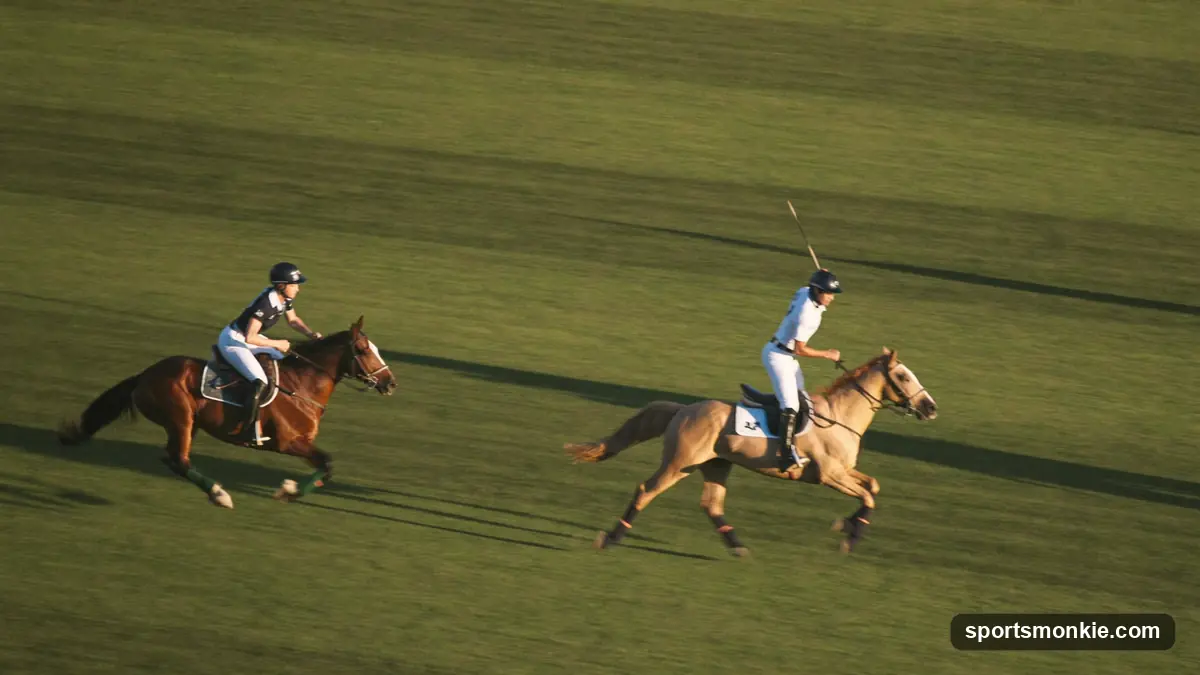
A polo horse, traditionally called a polo pony, can cost anywhere from a few thousand dollars for a green or beginner-suitable mount to tens of thousands, and occasionally into six figures, for a proven high-goal pony. The price is driven mainly by the horse’s training, playing experience, temperament and the level of polo it can perform at. As of 2026, an amateur starting out can find a serviceable pony toward the lower end, while ponies fit for professional play cost dramatically more.
Crucially, the purchase price is only the beginning. The far larger expense is keeping the horse, and serious players need several. This guide breaks down both the buying and the owning costs, with broad ranges rather than fake precise figures, because prices vary enormously by region and level.
First, the “pony” that’s really a horse
Despite the name, a polo pony is a full-sized horse. The term is a historical holdover from an era when polo had height limits; today’s mounts are usually Thoroughbred or Thoroughbred-cross horses bred for speed, agility, stamina and, above all, a level head amid the collisions and swinging mallets of a match. Temperament is as prized as athleticism, and a calm, handy, well-trained pony is what commands the higher prices.
What drives the purchase price
The single biggest factor is the level of polo the horse can play. Green horses that still need training sit at the bottom of the range; steady club-level ponies cost more; and proven, made ponies that can handle fast, high-goal polo cost the most, occasionally reaching six figures for the very best.
| Pony type | Rough 2026 price range | What you’re paying for |
|---|---|---|
| Green / prospect | Low thousands | Potential, needs training |
| Beginner / club pony | Mid-to-higher thousands | Safe, trained, playable now |
| Experienced club pony | Higher thousands+ | Reliable competitive mount |
| High-goal pony | Tens of thousands to six figures | Speed, handiness, top-level play |
Bloodlines, region, age, soundness and whether the sale is private or at a prestigious auction all move the figure as well.
You need a string, not a single horse
Here is the fact that transforms polo’s economics: you cannot play competitively on one horse. Because a chukka is so physically punishing, each pony is only played for part of a match and then rested, so even amateurs typically need at least a couple of ponies, and serious or professional players keep a “string” of several. That multiplies both the purchase cost and, more importantly, the ongoing cost of keeping them.
The real expense: keeping them
For most owners the purchase price is the smallest line in the budget. The recurring costs run year-round, per horse, and never stop: boarding or stabling, feed, routine and emergency veterinary care, regular farrier visits, tack, insurance, transport to matches and often a groom’s wages. Multiply all of that by a string of ponies and you see why competitive polo carries such a reputation for expense.
For a fuller picture of those recurring costs, our guides to the cost to play polo and the polo pony cost go deeper into the ongoing budget.
How polo compares
Polo sits at the top end of sport spending, in the same conversation as other equestrian and elite pursuits. For comparison, our look at how much a racehorse costs shows a similar pattern, a purchase price dwarfed by the ongoing cost of care, and our roundup of the most expensive youth sports places equestrian among the priciest sports families take on. In each case the headline purchase figure hides the far larger commitment of keeping the animal.
Budgeting realistically
If you want to play, budget first for a safe, trained club pony toward the lower end of the range, then, more importantly, for the ongoing cost of keeping it, and eventually for a small string as you get more serious. Many players start by leasing ponies or playing club chukkas on borrowed mounts before buying, which is a sensible way to learn the true cost before committing. Bought wisely, a first polo pony is attainable for a dedicated amateur; the sport becomes genuinely expensive through the number of horses and the relentless, year-round cost of their care.
Frequently asked questions
Why is it called a polo pony if it's a horse?+
It's a historical term. Early polo had height limits that meant genuinely pony-sized mounts, and the name stuck even after those limits were removed. Today's 'polo ponies' are full-sized horses, often Thoroughbred or Thoroughbred-cross types bred for speed, agility, stamina and a calm temperament under the chaos of a match. So the animal is a horse; 'pony' is simply the traditional name the sport has always used for its mounts.
How much does a good polo pony cost?+
As of 2026, prices range widely: a green or beginner-suitable pony can start in the low thousands of dollars, a solid club-level pony runs into the higher thousands, and a proven high-goal pony can reach tens of thousands or more, with the very best occasionally into six figures. The price is driven by training, playing experience, temperament and the level of polo the horse can handle. Region, bloodlines and whether the sale is private or at a top auction also matter a great deal.
How many horses do you need to play polo?+
More than one. Because polo is so physically demanding, each pony is only played for part of a match, so even amateurs typically need at least a couple of ponies, and serious or professional players keep a 'string' of several, sometimes many, to rotate through the chukkas. This multiplies both the purchase and the ongoing keeping costs, which is a major reason competitive polo is so expensive and associated with wealth.
What are the ongoing costs of owning a polo pony?+
The purchase price is usually the smallest part. Ongoing costs include boarding or stabling, feed, routine and emergency veterinary care, regular farrier work, tack and equipment, insurance, transport to matches and often a groom's wages. These recurring expenses run continuously, year-round, per horse, and for a player with a string of several ponies they add up to far more over time than the animals' purchase prices. This is the real financial commitment of the sport.
Sources
Play & tools
Free browser games and tools — no account, no download.
- Play today's Sports Connections — Today's Sports Connections — daily hints, answers, and play the grid.
- Play Guess the NFL Player — A new mystery NFL player every day. Eight guesses, with a clue on each — plus free unlimited mode.
- Explore all our games →
Related guides
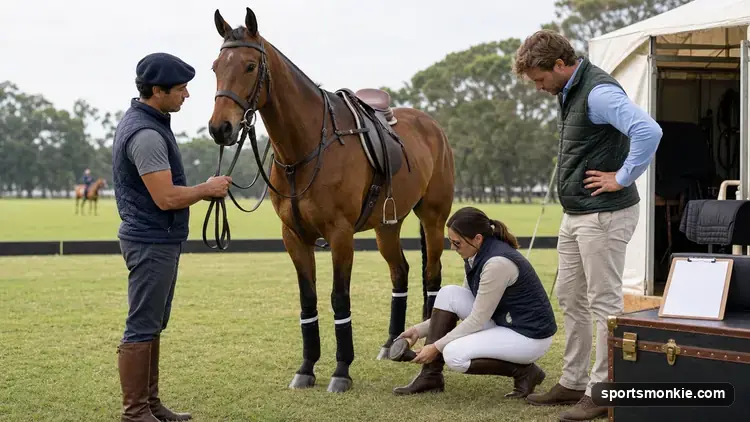
How Much Does a Polo Pony Cost? Prices by Level
A polo pony costs $3,000-$15,000 for club play and $40,000-$100,000+ for high-goal horses. See a full price breakdown by training level, plus upkeep costs.
How Much Does Fencing Cost? Gear and Club Fees
How much does fencing cost? Beginner gear, club membership, lessons and USA Fencing fees explained, with typical price ranges for the sport.
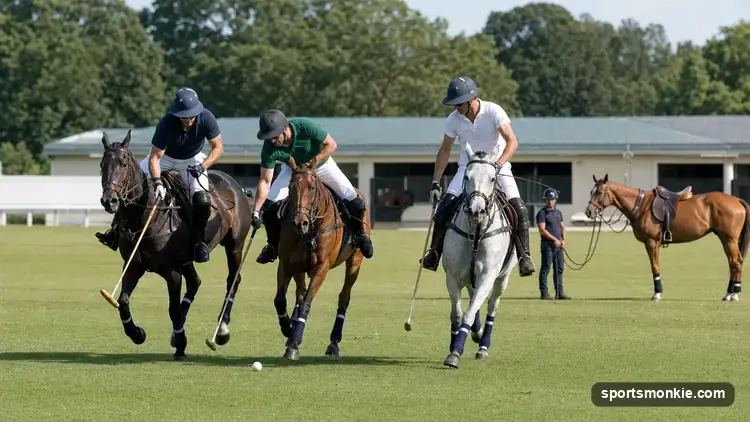
How Much Does It Cost to Play Polo? Real 2026 Prices
A single intro clinic runs $80-$175. A beginner season on club horses is $850-$3,500. Real club pricing on lessons, membership, gear and horses.
How Much Does a Polo Shirt Cost? Price Tiers Explained
A polo shirt costs $15 to $30 at budget retailers, $70 to $130 at mid-range brands, and $110 to $180 full-price at Lacoste, Ralph Lauren, and Brooks Brothers.
How Much Does It Cost to Own a Horse? Full Breakdown
Owning a horse costs $6,000-$20,000+ a year in the US after a $1,000-$15,000 purchase. Full breakdown of board, feed, farrier, vet and insurance costs.
How Much Does a Horse Saddle Cost? Real Price Ranges by Type
Horse saddle prices by type and quality tier: $150 entry-level synthetic to $8,000+ custom, new vs used, why fit beats price, and saddle fitting costs.