
Horse Boarding Cost: What Each Tier Actually Includes

On this page6
- 01What’s the real difference between full board, self-care, partial board and pasture board?
- 02Why does the same tier cost so differently at two barns down the road?
- 03How much does agistment cost in Australia, and boarding in Canada?
- 04A worked example: budgeting one horse’s board for a year
- 05How do you evaluate a boarding facility before you sign?
- 06What red flags mean you should look elsewhere?
Full board costs $650 to $1,600 or more a month in most of the US, self-care or partial board runs $300 to $700, and pasture board is the cheapest tier at $150 to $450, per Innovative Equine Systems’ 2026 cost breakdown. In coastal metros, full board regularly clears $2,000. In the UK and Australia the same four tiers exist under the word “livery” (UK) or “agistment” (Australia) instead of “boarding,” and yards there usually quote by the week, not the month.
The number that actually matters isn’t the regional average, it’s what’s included at your price point. Two full-board quotes $200 apart can mean one covers blanketing and holding for the vet and the other doesn’t. Here’s what each tier really buys you, and what it costs in the US, UK, Australia and Canada right now.
What’s the real difference between full board, self-care, partial board and pasture board?
Full board means the barn does the work: feeding, mucking out, daily turnout and basic health checks, with hay and feed baked into the price. You show up to ride, not to shovel. Self-care (DIY livery in the UK) flips that: you’re renting a stall or paddock, and every feeding, mucking-out and turnout falls on you or whoever you hire. Partial board (assisted livery) splits the difference: the yard supplies stall, hay, bedding and grain, and you handle a slice of the daily labor, commonly the evening feed or weekend mucking out. Pasture board (grass livery, or spelling agistment in Australia) skips the stall entirely; your horse lives outside 24/7 with a herd, a run-in shelter, hay and water.
Blanketing, exercise and extra turnout aren’t automatically part of any tier. Some full-board barns include blanket changes and a daily hand-walk; others charge $50-$150 a season for blanketing alone and treat exercise as a separate training add-on. Read the contract line by line before you compare two “full board” quotes as if they’re the same product.
| Boarding tier | What’s typically included | US (monthly) | UK livery (monthly) | AU agistment (weekly) | Canada (monthly) |
|---|---|---|---|---|---|
| Pasture / grass livery | 24/7 turnout, herd, shelter, hay, water, no stall | $150 - $450 | £45 - £395 (avg £155) | AU$20 - $70 | C$100 - $340 |
| Self-care / DIY livery | Stall or paddock rental; owner handles all daily care | $300 - $650 | £75 - £500 (avg £201) | AU$60 - $160 | C$200 - $400 |
| Partial / assisted livery | Stall, hay, bedding and grain provided; chores split with owner | $400 - $700 | £100 - £675 (avg £305) | AU$100 - $200 | C$300 - $600 |
| Full board / full livery | Feeding, mucking out, turnout, basic health checks handled for you | $650 - $1,600+ | £600 - £900 typical, up to £2,123 | AU$140 - $300 | C$500 - $1,500 |
| Luxury / training board | Full board plus grooming, lessons, premium stalls | $1,500 - $2,500+ | £900 - £2,100+ | AU$300+ | C$1,500 - $3,000 |
Why does the same tier cost so differently at two barns down the road?
Because “full board” isn’t a regulated term anywhere in these four countries, so it means whatever the yard decides it means. Owners on The Horse Forum’s boarding rates thread report full board anywhere from $450 in southern Tennessee to $1,800 near major metros, with the gap explained by indoor arena access, professional trainers on-site, and how much land the facility has to spread costs across. Land value drives the base price; services on top of that decide where you land in the range.
The UK shows the same pattern at a larger scale. Your Horse’s 2026 survey of 768 yards across 81 counties found full-livery prices ranging from £450 to £2,123 a month for what owners described as comparable care, a gap worth roughly £20,000 a year between the cheapest and priciest options nationally. The lesson from both markets: a national or regional average tells you almost nothing about what the yard down your road will actually charge. Get three quotes in writing before you decide.
How much does agistment cost in Australia, and boarding in Canada?
Australian yards price everything by the week. Spelling agistment (pasture only, aimed at horses resting or retired) runs AU$20-$70, part board sits at AU$60-$160, and full board runs AU$140-$300, per The Farm Share’s 2025 agistment guide. Rates drop noticeably once you move away from a capital city; proximity to Sydney or Melbourne is the single biggest price driver, more than the tier itself.
Canada averages C$428.76 a month nationally, but that number hides huge regional spread: Horse FactBook’s owner survey puts outdoor board as low as C$100 in the Prairie provinces and C$500 on the West Coast, with indoor board running C$220 to C$900 depending on region. The most common Canadian arrangement isn’t full board at all, it’s partial board with a few hours of daily turnout, hay, feed, bedding and arena access, which lands most owners in the C$300-$600 range.
A worked example: budgeting one horse’s board for a year
Vendor ranges are wide, so here’s what a realistic mid-cost US full-board arrangement adds up to once the “extras” that never make the headline price get counted.
| Line item | Monthly | Annual |
|---|---|---|
| Base full board | $850 | $10,200 |
| Shavings/bedding auto-add | $120 | $1,440 |
| Blanketing (seasonal, averaged) | $10 | $120 |
| Supplement administration | $35 | $420 |
| Holding fees for vet/farrier (2x/month avg) | $50 | $600 |
| Total | $1,065 | $12,780 |
That’s roughly 25% above the sticker price of $850, and none of the four add-ons are unusual, they’re standard line items most full-board contracts include somewhere in the fine print. Ask every yard for an itemized quote, not just the headline monthly number, or your real annual cost will surprise you.
How do you evaluate a boarding facility before you sign?
Start with a written contract that spells out exactly what’s included, what counts as an extra, and how much notice you need to leave. Then visit twice: once during a scheduled tour, and once unannounced around feeding time. A barn that looks immaculate at 10am and has empty water buckets by 5pm is showing you its actual routine, not its sales pitch.
Ask three specific questions: what’s the horse-to-caretaker ratio, does the facility require a current Coggins test and vaccination record for every horse on the property, and who covers for the regular caretaker on their day off. Then talk to two current boarders without staff in earshot. They’ll tell you what the contract won’t.
What red flags mean you should look elsewhere?
Watch the horses already living there before you look at the barn. The Horse flags thin body condition, dull coats and overcrowded paddocks as the clearest signals of a facility that’s cutting corners, because a barn can repaint stall doors for a tour far more easily than it can fake a herd’s overall condition. Add broken fencing, toxic weeds left standing in turnout, and a strong ammonia smell in the barn aisle (a sign stalls aren’t stripped often enough) to your walk-through checklist.
On the management side, high staff turnover and a barn manager who can’t give you a straight answer on their sick-day coverage plan are both signs the day-to-day care is less consistent than the sales tour suggested. If a yard won’t put its pricing and inclusions in writing, that reluctance is itself the red flag. It’s also worth budgeting for insurance before you sign anything: boarding barns rarely cover injury to your horse, and equestrian disciplines carry real injury risk that most new owners underestimate.
Boarding is usually the single largest recurring line item in owning a horse, but it’s not the only one. For the full annual picture, including vet care, farrier visits, insurance and tack, see our cost to own a horse guide. If you are still before the ownership stage, horseback riding lessons are a cheaper way to test whether the routine fits. And if your horse is headed toward dressage, ask whether the yard has access to a regulation schooling or competition space, then compare it with our dressage arena dimensions guide before you accept the quote.
Touring yards this month? Bring the comparison table above with you, ask each barn to fill in its own numbers against it, and you’ll spot the outlier price in one visit instead of five phone calls.
Frequently asked questions
How much does it cost to board a horse per month?+
Full board runs $650 to $1,600+ a month in most of the US, per Innovative Equine Systems' 2026 breakdown, with self-care or partial board at $300-$700 and pasture board as low as $150. Coastal metro areas push full board past $2,000. The UK, AU and Canada follow the same tier structure at different price points.
What is the difference between full board and self-care board?+
Full board means the barn feeds, mucks out, and turns out your horse daily, and the price includes hay and feed. Self-care means you're renting a stall or paddock and doing every task yourself. Partial board splits the work: the yard supplies hay, bedding and grain, and you handle feeding or stall cleaning.
How much does livery cost in the UK?+
DIY livery averages around £200 a month, and full livery typically runs £600 to £900, per Your Horse's 2026 survey of 768 yards across 81 counties. The same survey found a £20,000 annual gap between the cheapest and priciest full-livery packages nationally, so always get a written quote rather than trusting a regional average.
Is pasture board the cheapest boarding option?+
Yes, in every region we checked. Pasture or grass livery keeps horses outside 24/7 in a herd with shelter, water and hay, and skips the stall entirely, which is why it runs $150-$450 in the US, averages £155 in the UK per Yard Owner Hub's 2026 survey, and costs as little as AU$20-$70 a week for Australian spelling agistment.
What questions should I ask before boarding my horse?+
Ask for a written contract listing exactly what's included, what triggers extra fees, and the horse-to-caretaker ratio. Ask if a current Coggins test and vaccination record is required for every horse on the property. Then visit at feeding time. A yard that looks great at 10am and chaotic at 5pm is telling you something.
How much does horse boarding cost in Canada and Australia?+
Canada averages C$428.76 a month nationally, per Horse FactBook, ranging from C$100 for basic outdoor pasture to C$900+ for full indoor board on the West Coast. Australian full-board agistment runs AU$140-$300 a week, with part board at AU$60-$160 and spelling agistment as low as AU$20, per The Farm Share's 2025 guide.
Sources
- Innovative Equine Systems - Horse boarding cost breakdown 2026
- Your Horse - Livery yard prices survey, March 2026
- Yard Owner Hub - 2026 UK Livery Pricing Survey Findings (PDF)
- The Farm Share - Horse Agistment in Australia, 2025 guide
- Horse FactBook - Cost of keeping a horse in Canada
- The Horse - Boarding barn red flags
- Horse Forum - Horse boarding rates thread
Play & tools
Free browser games and tools — no account, no download.
- Play today's Sports Connections — Today's Sports Connections — daily hints, answers, and play the grid.
- Play Guess the NFL Player — A new mystery NFL player every day. Eight guesses, with a clue on each — plus free unlimited mode.
- Explore all our games →
Related guides
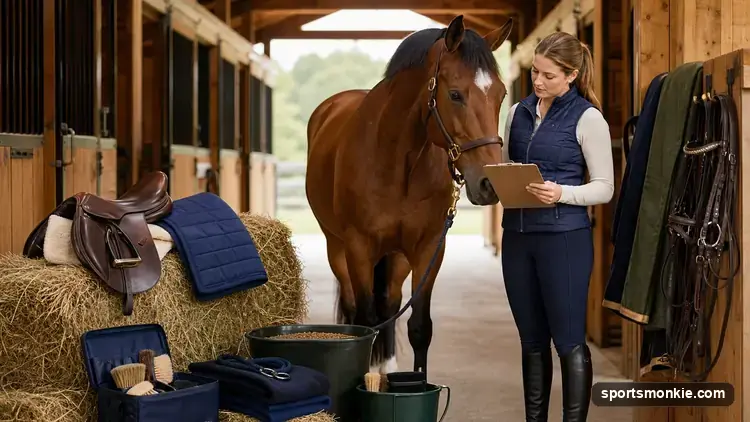
How Much Does It Cost to Own a Horse? Full Breakdown
Owning a horse costs $6,000-$20,000+ a year in the US after a $1,000-$15,000 purchase. Full breakdown of board, feed, farrier, vet and insurance costs.
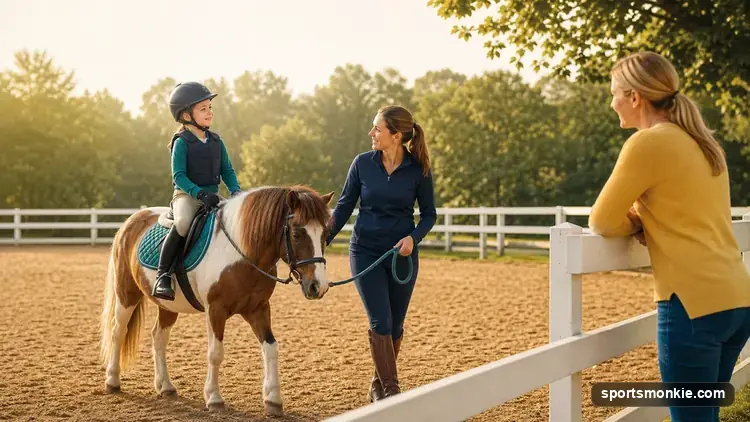
Kids' Horse Riding Lessons: Cost, Age & What to Expect
Children's horse riding lessons: real starting ages, 2026 costs for US, UK, Australia and Canada, required safety gear, and what a kids' lesson looks like.
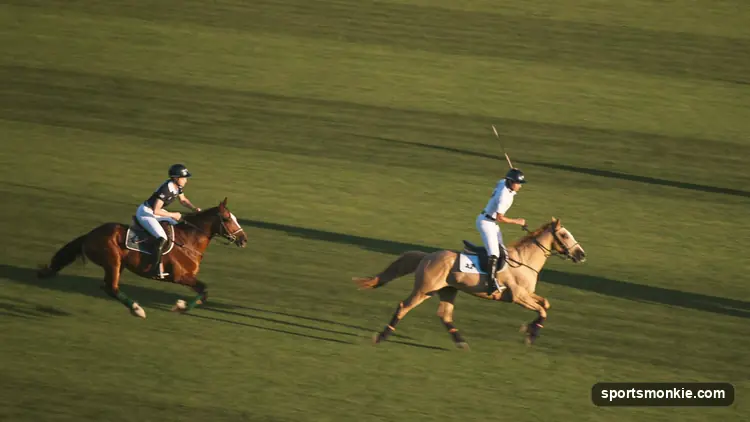
How Much Does a Polo Horse Cost?
How much a polo horse (pony) costs: green prospects to top string ponies, plus the real ongoing costs of keeping one. Typical 2026 ranges explained.
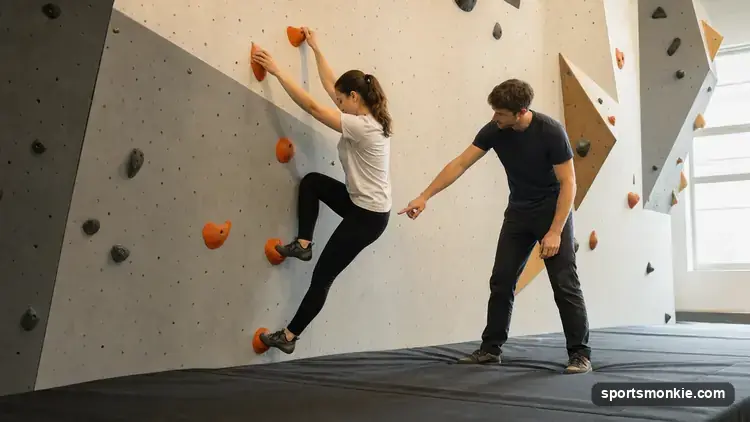
Climbing Tips for Beginners: What Actually Helps You Improve
Real climbing tips for beginners: footwork over arm strength, reading routes, grip types, falling safely, and pacing to avoid forearm pump.
How Much Does It Cost to Play Polo? Real 2026 Prices
A single intro clinic runs $80-$175. A beginner season on club horses is $850-$3,500. Real club pricing on lessons, membership, gear and horses.
Fly Fishing for Beginners: How to Actually Get Started
Fly fishing for beginners explained: how it differs from spin fishing, why casting is the real learning curve, where to practice, costs, and etiquette.