
What Is Twilight Golf?
On this page7
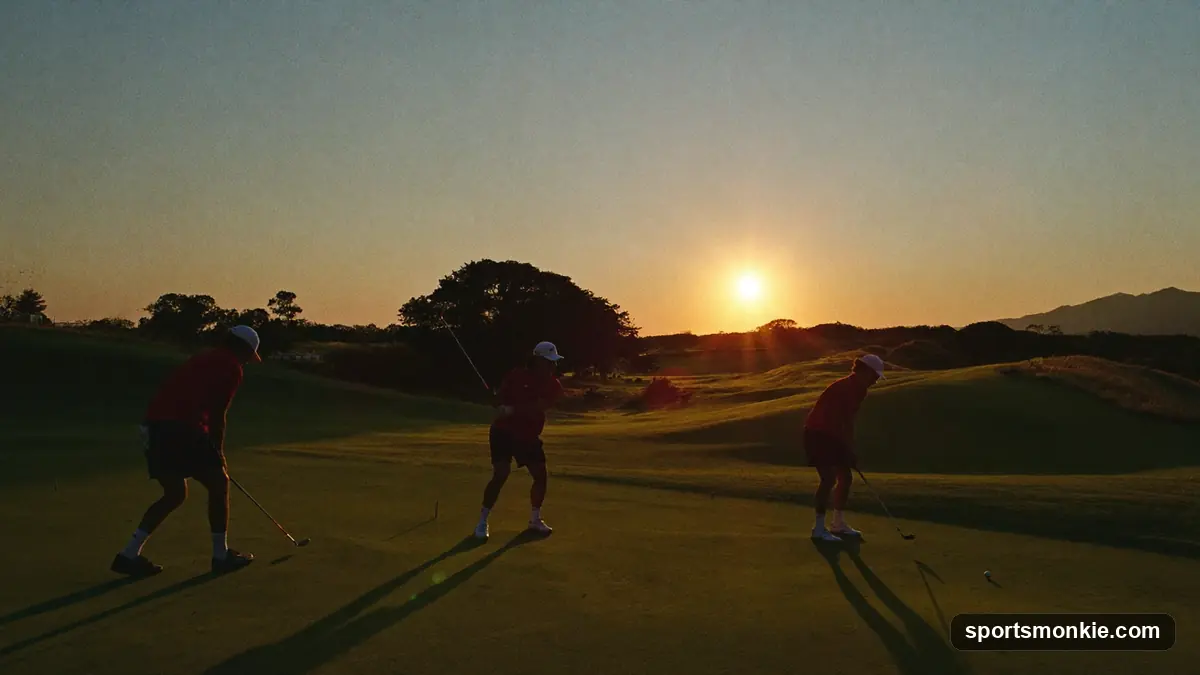
Twilight golf is a discounted green-fee rate that courses offer in the late afternoon or early evening, once there is no longer enough daylight left to guarantee a full 18-hole round. Because you might only finish 9 to 14 holes before dark, the course charges less, commonly 30 to 50 percent below the standard fee.
It is one of the best-value ways to play, prized by after-work golfers, budget players and anyone who loves the cooler air and softer light at the end of the day. The catch is simple: you trade the certainty of finishing all 18 holes for a cheaper price. Here is how twilight rates work, why they exist and how to get the most out of one.
Why courses offer a twilight rate
A golf course only has so many hours of daylight to sell, and late-day tee times are the hardest to fill because there is a risk players cannot complete a round. Rather than leave those slots empty, courses drop the price to attract golfers who are happy to take that risk.
For the course, it is found revenue on time that would otherwise be wasted. For the golfer, it is a genuinely cheaper round. The discount is essentially the course pricing in the chance that you will not get your full money’s worth of holes.
When twilight starts
There is no universal twilight hour, because it is tied to sunset, which shifts through the year. The posted start time moves earlier in winter, when days are short, and later in summer, when a “twilight” tee time might still leave enough light for all 18 holes.
As a rough guide, twilight rates often kick in somewhere between early and late afternoon depending on the season and latitude. Always confirm the exact time with the pro shop, because two courses in the same town can set very different twilight hours.
Twilight versus other rate types
Twilight is one of several time-based discounts courses use to manage demand.
| Rate type | Rough timing | Typical discount | Trade-off |
|---|---|---|---|
| Peak / prime | Morning to midday | None (full price) | Best light, full 18 guaranteed |
| Twilight | Late afternoon | 30–50% off | May not finish 18 holes |
| Super twilight | Near sunset | Steepest discount | Likely only 9 or fewer holes |
| Off-peak weekday | Any slow period | Varies | Depends on demand |
“Super twilight,” sometimes called “late twilight,” is the deepest discount, offered in the final hour or two before dark when only a handful of holes are realistic.
How to make twilight golf worth it
Getting value from a twilight round comes down to squeezing in as many holes as possible before the light goes:
- Walk fast or ride. Efficient pace is everything; a brisk group can complete far more holes than a slow one.
- Play a smaller group. Two players move faster than a full foursome and will reach more holes before dark.
- Know the sunset time. Check when daylight actually ends that day, not just when twilight pricing begins.
- Skip the range. With limited light, spend your time on the course, not warming up.
The reward is real: late-day rounds often bring the calmest wind, the emptiest fairways and the prettiest conditions of the whole day.
A great fit for casual and social rounds
Because twilight golf is relaxed and cheap, it pairs perfectly with informal, social play. It is an ideal time to try a low-pressure format with friends where finishing all 18 is not the point, such as a best-ball team game or a betting game like wolf. If darkness ends the round at the 14th, the fun and the wager can simply be settled there.
Twilight also suits golfers who are still learning and would rather not pay full price for a round they may not complete. Fewer players on the course late in the day means less pressure from groups waiting behind you.
What happens if darkness stops you
Because the twilight rate already prices in the risk of not finishing, most courses do not offer refunds or credits if darkness ends your round early. You simply stop wherever you are when you can no longer see the ball safely. Some courses do have goodwill policies, occasionally offering a discounted or free nine to finish another day, but this is a courtesy, not a right, and varies from club to club.
It is worth asking the pro shop about their specific policy when you book. A few courses guarantee a minimum number of holes with the twilight fee, while others make clear you are buying “as many holes as you can play.” Knowing this up front avoids frustration and helps you decide whether the discount is worth the risk on a given evening. Checking the day’s sunset time before you tee off is the single best way to set realistic expectations.
The bottom line
Twilight golf is straightforward once you know the logic: less daylight means less golf, so the course charges less. If you are flexible about finishing 18 and enjoy playing as the day cools, it is one of the smartest values in the game. Just call ahead, learn the course’s twilight start time and sunset, and plan to move quickly, and you will likely bank a near-full round for a fraction of the peak-time price.
Frequently asked questions
Why is twilight golf cheaper?+
Twilight golf is cheaper because you are buying access to fewer guaranteed holes. As the day ends there is a real chance you will run out of daylight before finishing 18, so the course discounts the fee to reflect that reduced value and to fill tee times that might otherwise go empty. It is a win-win: the course earns revenue on slots that would sit unused, and players get a cut-price round in exchange for the risk of not completing all 18 holes.
What does twilight mean at a golf course?+
At a golf course, 'twilight' refers to a specific window in the late afternoon or evening, set by the pro shop, after which a reduced green fee applies. It does not literally mean the moment of dusk; it is a pricing category tied to a posted start time. That time shifts with the seasons because sunset changes, so the twilight rate might begin at 2 p.m. in winter and 5 p.m. or later in high summer. Always check the specific course's twilight start time, as it varies widely.
How does twilight work in golf?+
You book or walk up for a tee time at or after the course's posted twilight hour and pay the discounted rate. You then play as many holes as daylight allows, which might be a full 18 in summer or as few as 9 in shoulder seasons. There is usually no refund if darkness stops you early, since the lower price already accounts for that. Carts, if included, follow the same rule, and some courses layer on an even cheaper 'super twilight' rate for the last hour or two before dark.
Is twilight golf worth it?+
For many golfers, yes, especially if you value price over certainty and can play efficiently. If you walk fast or play in a small group, you can often squeeze in a near-full round at a big discount, and the light and temperatures late in the day are frequently the best of the whole round. The main downside is the risk of not finishing, so it is less ideal if you have your heart set on a guaranteed 18 holes or a slow, leisurely pace.
Sources
Play & tools
Free browser games and tools — no account, no download.
- Play today's Sports Connections — Today's Sports Connections — daily hints, answers, and play the grid.
- Play Guess the NFL Player — A new mystery NFL player every day. Eight guesses, with a clue on each — plus free unlimited mode.
- Explore all our games →
Related golf guides
View all →
Cost to Play Pebble Beach Golf Links
What does it cost to play Pebble Beach? As of 2025 the green fee is roughly $675+ per round, plus cart and caddie. Full breakdown and how to book.
What Is a Hole-in-One in Golf?
A hole-in-one is a score of one stroke on a par-three, par-four or par-five hole, although the hole's official par and format still matter.

The Career Grand Slam in Golf, Explained
The career grand slam means winning all four professional majors in a career. Only six men have done it, most recently Rory McIlroy in 2025.

Golf Drop Rules, Explained
Golf drop rules under Rule 14.3: drop from knee height into a relief area, and replay if the ball rolls out. When you drop and what it costs.
The 4 Golf Majors in Order
The four men's golf majors in calendar order: the Masters, the PGA Championship, the U.S. Open and The Open Championship. Dates, venues and history.
The Most Exclusive Golf Clubs
The world's most exclusive golf clubs, from Augusta National to Cypress Point. What makes a club exclusive and why money alone can't get you in.