
Running: Technique and strategy
Browse SportsMonkie's technique and strategy about running, organized in one crawlable topic hub.
7 articles in this topic.

Proper Running Form: A Head-to-Toe Checklist to Run Efficiently
Proper running form means running tall with a slight forward lean, a midfoot strike landing under your hips, a cadence near 180 steps per minute, and relaxed 90-degree arms. Here is the full head-to-toe checklist.

How to Breathe While Running: Rhythmic Patterns That Work
How to breathe while running: use rhythmic belly breathing timed to your steps — a 3:2 pattern (inhale 3 steps, exhale 2) for easy runs and 2:1 for hard efforts — breathing through both nose and mouth.

How to Increase Running Endurance: 6 Proven Steps
To increase running endurance, build an aerobic base by running easy 80% of the time, adding a weekly long run, and raising mileage no more than 10% a week. Here is the full method.

How to Run Faster: 7 Proven Ways to Build Real Speed
To run faster, sharpen your form and cadence, add interval and tempo sessions, build a strength base, and keep most miles easy. Here are 7 proven levers, drills, and a 4-week speed block.

Running Cadence Explained: What 180 Really Means and How to Improve Yours
Running cadence is how many steps you take per minute. The popular 180 figure is a guideline, not a law — your ideal cadence depends on height and pace. Here is how to measure it and raise it safely.
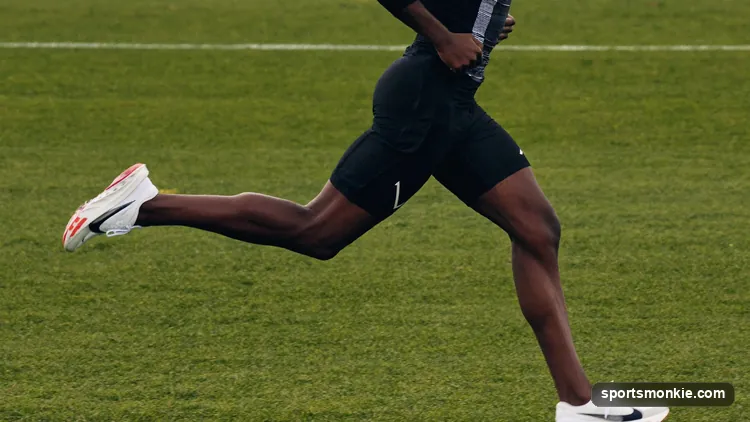
Running Strides Explained: What They Are and How to Do Them
Running strides are short 15-30 second accelerations to about 85-95% of top speed, done relaxed with full recovery. They sharpen form, running economy, and leg speed without adding hard training.

Negative Split Running, Explained
A negative split means running the second half of a race faster than the first. Why it works, how to pace one, and how to train for it, explained.