
Pepperell Calls Reported LIV Invite List Utterly Bizarre as DP World Tour Row Grows
On this page5
TL;DR: Eddie Pepperell has called the DP World Tour’s reported list of returning LIV players utterly bizarre, singling out Charles Howell III in his Chipping Forecast column and arguing that none of the reported names would put enough people in seats or in front of televisions to improve the tour’s balance sheet in 2027. The list is not official: the tour has published no names, and the reported agreements would offer sponsor invitations only to players who reject LIV 2.0. Golf Channel analyst Brandel Chamblee and six-time tour winner Joost Luiten have joined the argument, warning that invitations handed to returning LIV players would come at the expense of members who never left.
Every homecoming has a guest list, and the DP World Tour’s is already starting arguments before a single invitation has been sent. Pepperell, a two-time tour winner who is himself fighting for his 2027 card, put his objection in writing, named names, and used a word that guarantees it will be quoted: bizarre. The tour has not published a list, which makes the row stranger still. It is an argument about a list that does not officially exist, over invitations that have not officially been offered, with a deadline that arrives today.
What did Pepperell actually say?
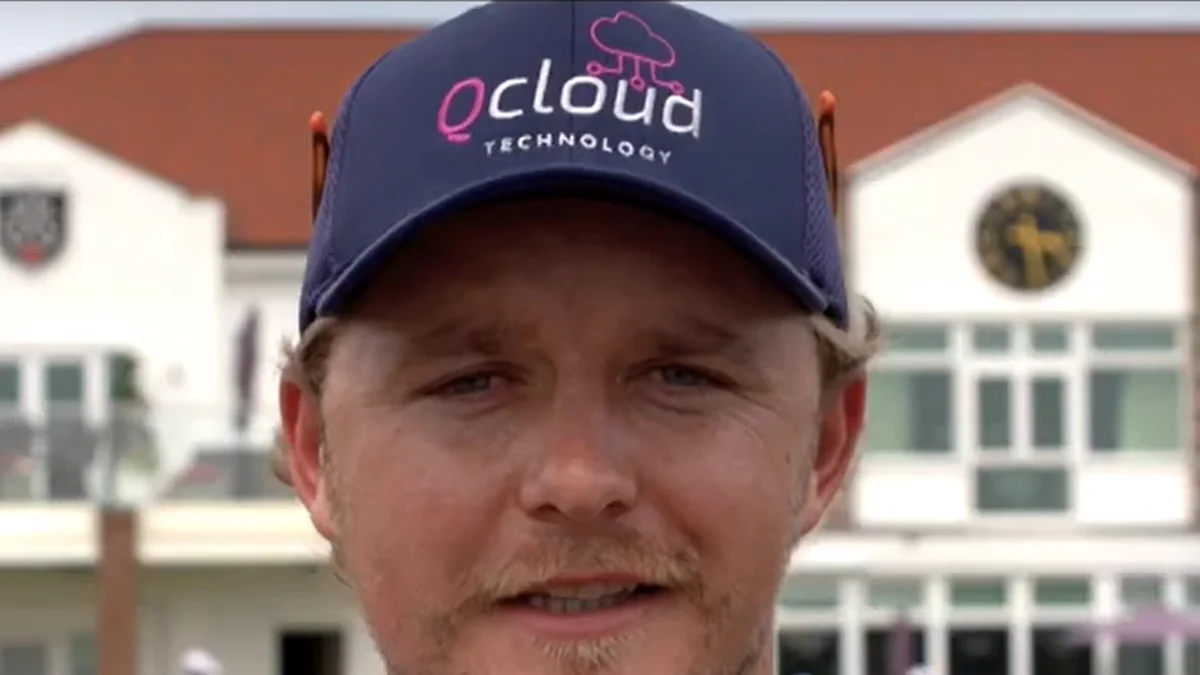
He started, unusually for a public attack, by trying to see it from the other side. In his Chipping Forecast column, Pepperell wrote that he wanted to put himself in chief executive Guy Kinnings’ shoes, describing the tour’s predicament as borne predominantly and precariously out of weakness, EssentiallySports reports. He said he had spoken to Kinnings on this issue in the summer, and that his view was simple: give a few players invites who undeniably add stardust, and send everyone else back to qualifying school.
Then came the sentence that made the column news. “The idea that Charles Howell III is on this list, with all due respect to Charles, he is a terrific guy, is utterly bizarre,” Pepperell wrote, as reported by both EssentiallySports and GolfMagic. He added Pieters, Grace and Oosthuizen to the miscalculation, writing that none of them would put enough bums on seats or in front of televisions to materially improve the balance sheet in 2027, period. The commercial argument is the sharpest part of his case, because it does not depend on loyalty or punishment. Even if the tour wants stars, Pepperell argues, these are not the stars that move a balance sheet.
Why Howell, specifically?
Because his case exposes the gap between reputation and record. Howell was part of LIV’s first wave in July 2022 after more than two decades on the PGA Tour, EssentiallySports reports, where he made 609 starts, won three times and earned over $42 million. On LIV he won at Mayakoba in 2023, but his best finish in the 2026 season was a tie for eighth in Korea, and he ranks 510th in the world. His European record is thinner still: before this year’s Alfred Dunhill Championship, he had played just one DP World Tour event outside the majors and WGCs in 26 years, and he missed the cut there. Without status or a ranking, any start for him would require an invitation, and an invitation means a spot taken from a member.
Pieters is a different case, and Pepperell knows it, which is why he names him with a caveat rather than a dismissal. Pieters has six DP World Tour wins, the last in Abu Dhabi in 2020, and a 2016 Ryder Cup appearance, but he too holds no status for 2027 after leaving for LIV. Grace won a LIV event in Portland in 2022. Oosthuizen, the 2010 Open champion, announced on October 21 that he was returning to Europe, but Golf Digest notes he made only two major cuts in five years from 2021 onward. None of that makes any of them bad golfers. It makes them, in Pepperell’s argument, bad business as invitation picks when the tour is choosing who gets a scarce seat.
What is the tour’s financial position?
Precarious, by its own accounts, and that is what gives Pepperell’s column its force. EssentiallySports reports the European Tour Group’s operating loss more than doubled in 2025, from £27.6 million to £64.5 million, despite a Ryder Cup year when revenue is supposed to rise, while broadcast income fell from $109.6 million to $75.3 million. The PGA Tour’s £58.8 million annual investment payment covered roughly 91 percent of that loss, and it is only guaranteed until the end of 2027. GolfMagic, citing the same accounts, puts the loss at nearly £65 million with £59 million from the PGA Tour, a rounding difference that does not change the picture: a tour that needs money is being asked to spend its scarcest currency, playing spots, on players who may not bring money back.
That is also why the counter-argument from the tour’s side, that stronger fields help everyone, does not settle the row. Stronger fields help if the names are strong enough to matter commercially, and Pepperell’s whole point is that the reported names are not. Writer Kevin Van Valkenburg made the same point on a podcast, calling it utterly insane to entertain Howell as a draw, while noting that Jon Rahm and Tyrrell Hatton sit in a different category because they paid fines and played required events. The distinction between a returning star and a returning name is the whole debate, compressed into one sentence.
Who else has joined the row?
Brandel Chamblee, with a phrase that will travel almost as far as Pepperell’s. The Golf Channel analyst posted on X that opening the door to a return and handing a player a seat at the table are two different things, GolfMagic reports, adding that the great irony of professional golf today is that players who left for financial security may now be offered competitive security by the very institutions they helped destabilise. Chamblee has long been one of LIV’s most vocal critics, and his intervention matters because it frames the issue as institutional rather than personal: the question is not whether Howell or Pieters are welcome back, but what they are welcomed back to.
Joost Luiten, meanwhile, has made the members’ case in the bluntest terms. The six-time tour winner told GolfMagic that returning LIV players coming back would be a weak decision and unfair to young talent working through the HotelPlanner Tour and Q-School, warning that invitations going to LIV players would leave fewer opportunities for young and local players. Luiten’s argument, covered separately on this site, is that players who voluntarily gave up membership should not regain its privileges without consequences. Pepperell adds the betrayal language to the same argument, writing that as someone who has gone back to Q-School twice, betrayal feels like the right word, and that loss of respect, resentment and contempt are an inevitability he does not want to feel towards the tour.
What happens next?
Two deadlines, and one route already being taken. The LIV player commitment deadline is today, October 25, and DP World Tour membership applications close on November 16, the same calendar trap that framed the tour’s October 12 choose-or-lose announcement. Four LIV players, Jose Luis Ballester, Luis Masaveu, Sam Horsfield and Michael La Sasso, have already entered the second stage of Q-School from October 29 to November 1, GolfMagic reports, choosing to earn a place rather than wait for an invitation, with only 15 cards available at Q-School final this year, down from 20 last year.
The wider LIV picture still hangs over all of it, including Sergio Garcia’s stated aim of returning to the Ryder Cup team, which shows how much European eligibility still matters to players weighing their futures. The league is in Chapter 11 bankruptcy, its proposed $300 million BC Partners lifeline depends on retaining enough players, and several headline names, from Rahm to Adrian Meronk after his Dunhill win, have already walked away from LIV 2.0. Pepperell’s column does not decide any of that. It does something narrower and, for the tour, more uncomfortable: it forces the invitation question into the open before the tour has announced anything, and it asks, in public, whether the names on the reported list are worth the resentment they will cost. Until the tour answers with actual names, that question is the story.
Frequently asked questions
What did Pepperell actually write?+
In his Chipping Forecast column, Pepperell wrote that he had spoken to DP World Tour chief executive Guy Kinnings in the summer and argued that only a handful of players who undeniably add stardust should get invitations, with everyone else going back to qualifying school. Then, he wrote, in rides Charles Howell III, adding: 'The idea that Charles Howell III is on this list, with all due respect to Charles, he is a terrific guy, is utterly bizarre.'
Is there an official DP World Tour invite list?+
No. EssentiallySports stresses that the list Pepperell refers to is not official, and that the tour has not published any names or handed out cards to the players mentioned. Today's Golfer first reported on October 12 that the tour was negotiating agreements with LIV players who hold no status, offering them a set number of sponsor invitations on condition they reject LIV 2.0.
Which other players did Pepperell name?+
Thomas Pieters, Branden Grace and Louis Oosthuizen, alongside Howell III. Pepperell wrote that their inclusion represents a miscalculation, adding that none of them would put enough bums on seats or in front of televisions to materially improve the balance sheet in 2027, period. Pieters has six DP World Tour wins, Grace won a LIV event in Portland in 2022, and Oosthuizen, the 2010 Open champion, announced on October 21 that he was returning to Europe.
Why does the money argument matter so much here?+
Because the tour's finances are under strain. EssentiallySports reports the European Tour Group's operating loss more than doubled in 2025, from £27.6 million to £64.5 million, despite a Ryder Cup year, while broadcast income fell from $109.6 million to $75.3 million. The PGA Tour's £58.8 million annual investment payment covered roughly 91 percent of that loss, and it is only guaranteed until the end of 2027.
What did Brandel Chamblee say?+
That opening the door and handing a returning player a seat at the table are two different things. The Golf Channel analyst wrote on X that there is nothing wrong with opening the door to a return, but that handing back former privileges risks making a mockery of those who earned their place, GolfMagic reports. He added that players who left for financial security may now be offered competitive security by the institutions they helped destabilise.
What is Joost Luiten's position?+
That returning LIV players should face consequences, not a stroll back in. Luiten told GolfMagic it would be a weak decision by the tour and unfair to young talent working through the HotelPlanner Tour and Q-School, and that invitations going to LIV players would leave fewer opportunities for young and local players. Luiten has his own article on this site, [arguing returnees should face Q-School](/luiten-says-liv-returnees-should-face-q-school/), and Pepperell's column takes the same side from a different angle.
How does this connect to the tour's October 12 decision?+
That decision set the frame Pepperell is arguing inside. On October 12, chief executive Guy Kinnings told BBC Sport that anyone who plays LIV 2.0 in 2027 will not be given DP World Tour membership, and because only members can play for Europe at the Ryder Cup, the choice is also a Ryder Cup choice, as covered in [the tour's choose-or-lose announcement](/dp-world-tour-tells-liv-players-choose-2027/). Players without status can only return through Q-School or through invitation agreements available solely to non-LIV players.
What happens next, and when?+
The LIV player commitment deadline is October 25, today, and DP World Tour membership applications close on November 16. Four LIV players, Jose Luis Ballester, Luis Masaveu, Sam Horsfield and Michael La Sasso, have already entered the second stage of Q-School from October 29 to November 1, GolfMagic reports, choosing the qualifying route rather than waiting for an invitation. Any formal invitation announcement from the tour is the next marker.
Sources
- GolfMagic: Multiple winner slams DP World Tour's 'weak' LIV decision (Luiten's weak-decision quote, Pepperell's utterly bizarre line, the betrayal warning, Chamblee's seat-at-the-table post, the Q-School entries)
- EssentiallySports: 'Utterly Bizarre' (Pepperell's Kinnings conversation, the unofficial list, the Today's Golfer October 12 report, the £64.5m loss, Howell's record)
- FOGolf: DP World Tour pros share thoughts on LIV golfers returning (Pepperell's stardust-only invitation view, Ferguson's coming-home comment, the Q-School second-stage names)
- EssentiallySports: Chamblee bashes DP World Tour over LIV return (the seat-at-the-table argument, the £64.5m loss and £59m PGA Tour cover, the Genesis Championship card losses)
Play & tools
Free browser games and tools — no account, no download.
- Play today's Sports Connections — Today's Sports Connections — daily hints, answers, and play the grid.
- Play Guess the NFL Player — A new mystery NFL player every day. Eight guesses, with a clue on each — plus free unlimited mode.
- Explore all our games →
Related golf guides
View all →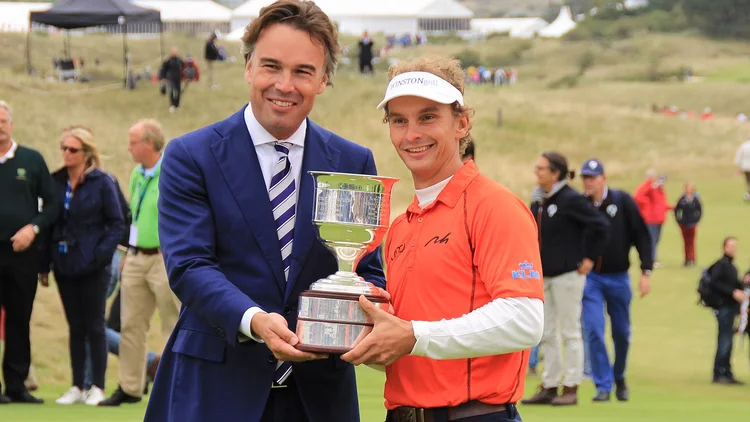
Luiten Says LIV Returnees Should Lose Their Rights and Go Through Q School
Joost Luiten, a six-time DP World Tour winner, says players who left for LIV should lose their exemption rights, stop getting invites and earn their way back at Q School.
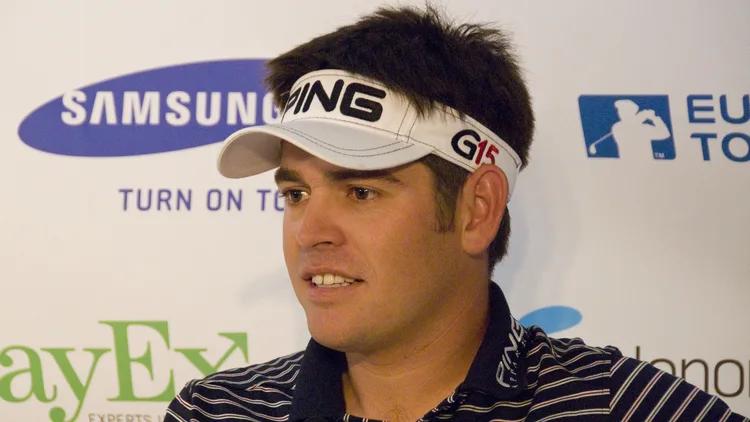
Louis Oosthuizen Leaves LIV Golf and Plans a DP World Tour Return in 2027
Louis Oosthuizen announced on Wednesday that he will not re-sign with LIV Golf. The Southern Guards captain will play the DP World Tour in 2027. His reasons, in his words.
McIlroy Says Yes to LIV Players Coming Back to the PGA Tour
Rory McIlroy, LIV's loudest critic since 2022, told a New Delhi forum he would vote to welcome its players back, called LIV half a good idea and said the threat is over.

DP World Tour Tells LIV 2.0 Players to Choose: No 2027 Membership, No Ryder Cup
The DP World Tour will deny 2027 membership to anyone who plays LIV 2.0, ending their Ryder Cup eligibility and forcing a choice before two deadlines collide.

Joaquin Niemann Says a PGA Tour Return Would Be 'Incredible' as LIV Decision Nears
Joaquin Niemann, LIV Golf's record nine-time winner, says he is still deciding between LIV 2.0 equity and a DP World Tour route back to the PGA Tour.
Four Share Hong Kong Lead on Eve of LIV Deadline as Major Invites Beckon
Thomas Pieters, John Catlin, Anirban Lahiri and Caleb Surratt share the Hong Kong Open lead at 14 under, with Sunday's winner earning Masters and Open places.