
MLB Proposes Letting Top Seeds Choose Their Playoff Opponents, and Fans Are Not Buying It
On this page6
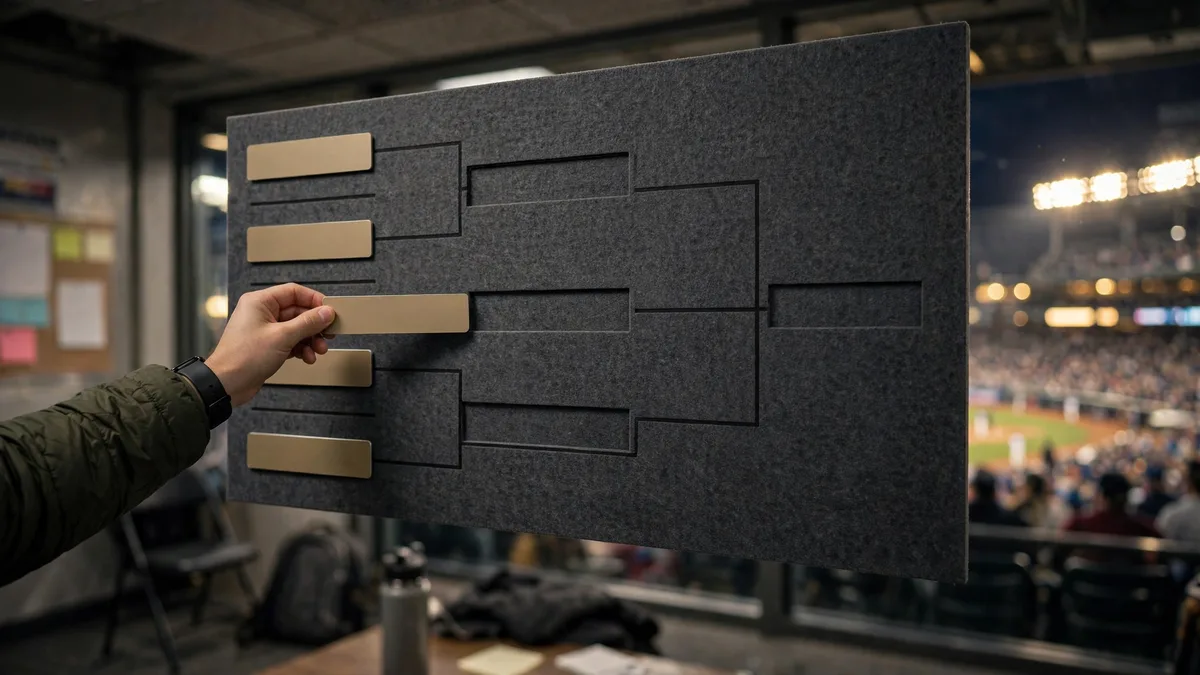
Major League Baseball wants its best teams to pick their own postseason opponents. The league tabled the idea in a bargaining session with the players’ union on Thursday, Reuters reports: from 2027, higher seeds in the Wild Card and Division Series rounds would select who they play, rather than taking the opponent the bracket assigns them. It is the rare labour proposal that fans understood instantly, and the reaction, led by the suspicion that the Dodgers hardly need the help, has been fierce.
How would the selection work?
In both early rounds, and always in the higher seed’s favour. In the Wild Card Series, the No. 3 seed would choose between the No. 5 and No. 6 seeds, and the No. 4 seed would take whichever team is left, Men’s Journal reports. Then, in the Division Series, the No. 1 seed would choose which of the two Wild Card winners it wants, with the No. 2 seed receiving the other. The league’s fact sheet, reported by the New York Post, sells the pick as a way to avoid a stronger opponent, to make the regular-season record matter more, and to generate engagement and rivalries. Read that last part plainly: the selection is meant to be content, a decision made on television that the chosen team then gets to resent in public.
What else is in the package?
The structural changes the selection would sit inside. The regular season would shrink from 162 games to 154 from 2029, creating a standard weekly off day that the league says is for player health, Reuters reports. The Division Series, currently best-of-five, the format that just produced Jackson Chourio’s final-strike walk-off for Milwaukee, would become best-of-seven, with extra off days in October and fewer weekday afternoon games. Opponent selection is the one piece that would arrive early, in 2027, presumably because it costs the league nothing to schedule and everything it touches turns into a broadcast.
Why is the backlash about the Dodgers?
Because they are the team the bracket already seems to bend toward. The New York Post reports that much of the fan anger focuses on the two-time defending champions being handed an easier path by design. Los Angeles is also the team whose current run keeps generating the postseason’s strangest weeks, from an elimination game a pitcher missed for the birth of his child to Tarik Skubal’s beer-soaked celebration interview. The objection is not really about competitive balance in one series. It is about a league proposing, mid-dynasty, to let the dynasty choose.
What is the case against picking, beyond fairness?
The backfire. For The Win’s coverage of the reaction keeps returning to the same joke, which is also a genuine strategic problem: the team you pick has just been told, on the record, that you think it is the weakest option available. In a sport where a single fan reaching over a fence can flip a series on one judgement call, handing your opponent a grievance before Game 1 is a real cost. Managers already refuse to answer which opponent they would prefer. This proposal would make the answer official, televised and permanent, and a top seed swept by its own selection would own the most embarrassing exit in the sport’s history.
Will it actually happen?
That depends on a fight that has nothing to do with brackets. The MLBPA says it is reviewing the proposals and will respond at the bargaining table, Reuters reports, but its statement adds the sentence that decides everything: the league has made clear all of its proposals are contingent on the players agreeing to a salary cap, which the union describes as a system that guts player rights and compensation. So the most entertaining idea in the package is chained to the one idea the players have promised never to accept.
What happens next?
The union answers at the table, and the cap question swallows the schedule question, as it was always going to. If the sides ever separate the formats from the cap, opponent selection is the piece with genuine television value and a 2027 start date already attached. Until then, the bracket stays honest by default, and the only choosing happening this October is the kind Ronald Acuna Jr. had to do this week: deciding which story about you is true.
Frequently asked questions
How would choosing playoff opponents actually work?+
In two rounds. In the Wild Card round, the No. 3 seed, the division winner with the worst record, would choose to play either the No. 5 or the No. 6 seed, with the No. 4 seed taking the team left over, Men's Journal reports. In the Division Series, the No. 1 seed would choose which of the two Wild Card winners it wants to face, and the No. 2 seed would get the other.
When would opponent selection start?+
2027, a year from now, according to the league's own announcement of the proposal. That is two years before the rest of the package: the 154-game schedule and the standard weekly off day are proposed to begin in 2029, while the best-of-seven Division Series is part of the same structural overhaul.
What else is in the proposal?+
A regular season cut from 162 games to 154 from 2029, creating a standard weekly off day the league says benefits player health, Reuters reports. The Division Series would grow from best-of-five to best-of-seven, with extra postseason off days designed to reduce weekday daytime games and put more games in prime time.
Why does the league want teams picking opponents?+
Its own fact sheet, reported by the New York Post, gives three reasons: a top seed could avoid a stronger opponent, the regular-season record would matter more, and the selection itself would generate fan engagement and stoke rivalries. In other words, the league wants the pick to be a televised moment, not just a bracket outcome.
What did the players' union say?+
That it is reviewing the proposals and will respond at the bargaining table, and that the league has again made clear every proposal is contingent on the players agreeing to a salary cap, Reuters reports. The union's statement calls a cap a system that guts player rights and compensation, which makes the fun parts of the package hostages to the part the players have sworn to reject.
Why are fans against it?+
Two reasons dominate the reaction reported by the New York Post and For The Win. The first is fairness: the two-time defending champion Dodgers are the team fans picture using a pick to take the easiest possible path. The second is the backfire risk: a team that is publicly chosen as the easy opponent gets the best bulletin-board material in sports, and a top seed swept by the team it picked would never hear the end of it.
Has any major league done this before?+
Not at this level. DodgerBlue describes the plan as a first for professional sports: no MLB, NFL, NBA or NHL postseason has ever let a higher seed name its own opponent. Reseeding, where the best remaining team automatically draws the weakest, is the closest any of them has come, and even that is a rule, not a choice.
Sources
- Reuters: MLB proposes shorter season and longer Division Series in labour talks
- New York Post: MLB proposal to let higher seeds choose cushier playoff path sparks fierce backlash
- For The Win (USA Today): The MLB 154-game season proposal comes with a dramatic playoff twist
- Men's Journal: MLB suggests rule changes in fight for salary cap
- DodgerBlue: MLB proposes shorter regular season and significant playoff changes
Play & tools
Free browser games and tools — no account, no download.
- Play 162-0 — Draft nine and see if your roster can survive a flawless 162-game MLB season.
- Explore all our games →
- Analyze a trade — Compare both sides of a fantasy baseball trade before you accept.
- Run the MLB predictor — Simulate the MLB postseason bracket down to a World Series champion.
- Open the ERA calculator — Work out earned run average from earned runs and innings pitched — handles the .1/.2 thirds convention.
- Explore all our free sports tools →
Related baseball guides
View all →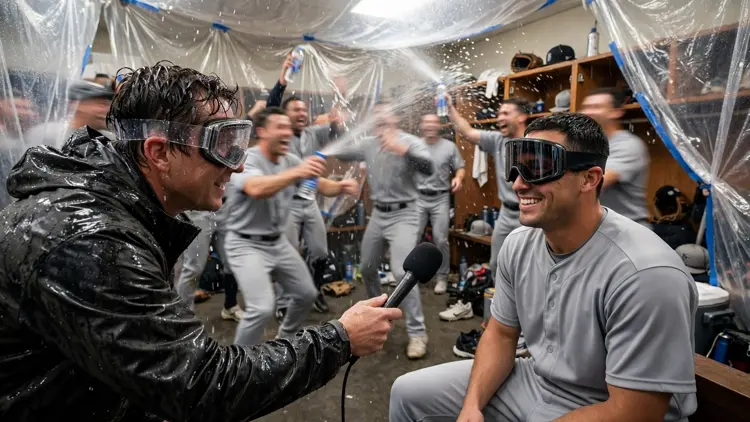
Tarik Skubal's Beer-Soaked Interview Steals the Dodgers' NLDS Celebration Without Him Pitching
Tarik Skubal never threw a pitch in Game 4, then produced the Dodgers' viral moment: two live interviews drowned in beer, weeks before his free agency.
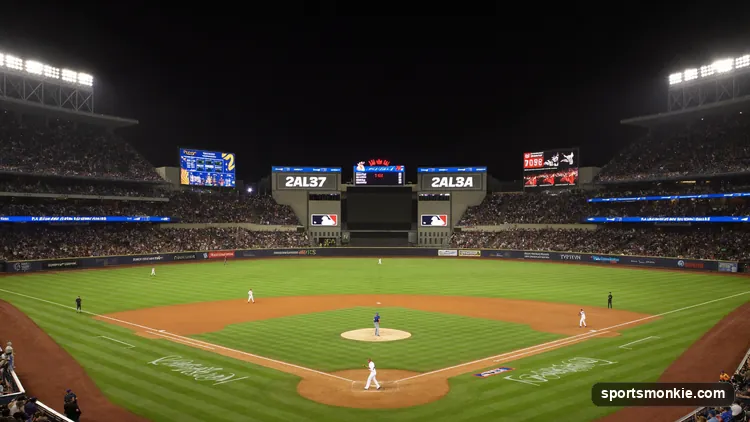
How Do the MLB Playoffs Work? (12-Team Format)
The MLB playoffs are a 12-team bracket: six per league — three division winners and three wild cards — through the Wild Card Series, Division Series, LCS and World Series.
How Does the MLB Wild Card Work?
MLB's wild card gives each league three playoff berths to the best non-division winners. The lower seeds meet in a best-of-three Wild Card Series.

White Sox Tease a Mystery First Pitch, Fans Expect Obama or the Pope and Get Belmont Cameli
Chicago teased a big-name mystery guest for the ALDS Game 3 first pitch, fans guessed Obama, Pope Leo XIV and Michael Jordan, and the reveal was actor Belmont Cameli.

Acuna Denies Podcast Insult Was Aimed at Snitker, Says It Was a Former Assistant Coach
Ronald Acuna Jr. says the viral podcast clip was not about Brian Snitker, refusing to name the former assistant coach he meant and calling the Snitker reading wrong.

Tyler Mahle Caught Swearing on TV After Dubon's Dropped Pop Gifts Dodgers a Run
Tyler Mahle's four-word reaction on FS1 summed up Atlanta's night after Mauricio Dubon's dropped pop fly let Shohei Ohtani score in NLDS Game 4.