
How Much Do Golf Carts Cost? New & Used Prices 2026
On this page4
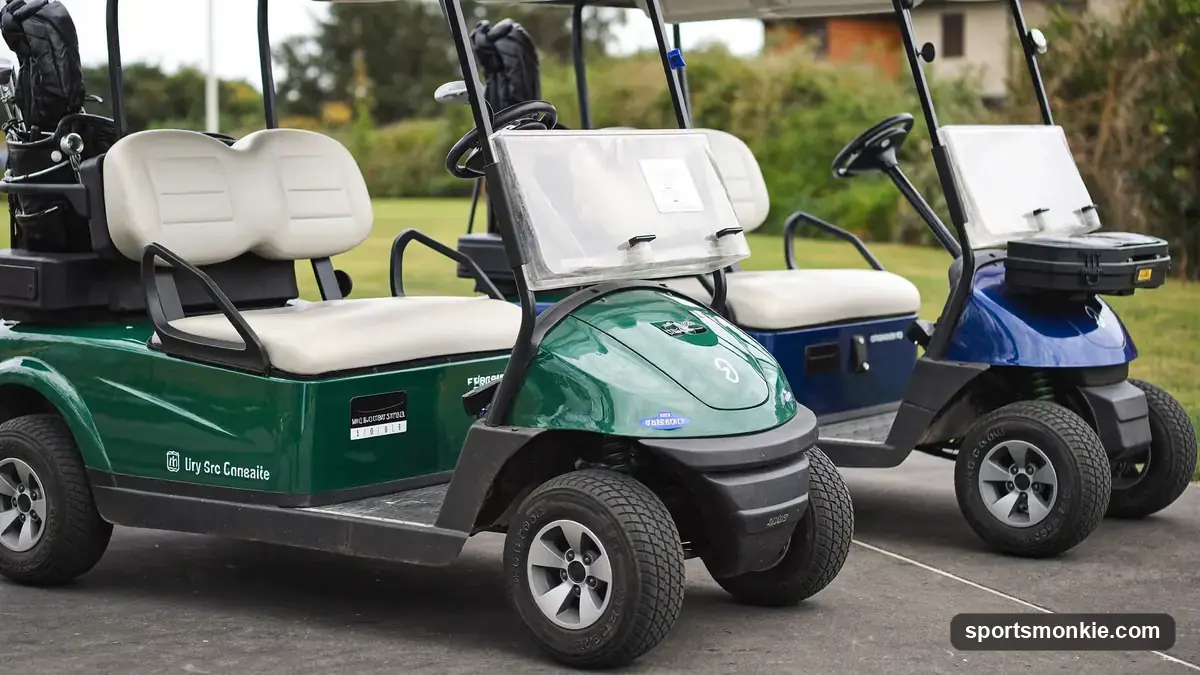
A new golf cart costs $7,000 to $13,000 in 2026 for a standard Club Car, EZGO or Yamaha, or as little as $5,000 for a value brand and up to $20,000-plus for a premium street-legal lithium model. Used carts cost $2,000 to $8,000 depending on age and battery health. The single biggest price lever is not the badge on the front but the battery inside: lithium adds $1,500 to $4,000 over lead-acid, and on a used cart a worn pack can knock thousands off the asking price. Here is what every type actually costs, and which one is the smart buy.
How much do golf carts cost by type?
| Cart type | Typical 2026 price (US) | What you get |
|---|---|---|
| Used, 8+ years old | $1,500-$2,500 | Older lead-acid cart, likely needs a battery pack soon |
| Used, 4-7 years old | $2,500-$4,000 | Solid runabout, check battery age and charger |
| Used, 1-3 years old | $4,000-$8,000 | Near-new condition, often still on original batteries |
| New value brand (2-seat) | $5,000-$9,000 | Entry brands like Evolution or Denago, basic trim |
| New brand-name 2-seater | $7,000-$12,000 | Club Car, EZGO or Yamaha, standard features |
| New brand-name 4-seater | $8,000-$13,000 | Family/community cart, rear-facing seat |
| Lithium battery upgrade | +$1,500-$4,000 | Added to any new model over lead-acid |
| Premium / street-legal LSV | $10,000-$20,000+ | Lithium, lifted or DOT-legal build with lights and VIN |
Figures are current 2026 ranges from Golf Cart Search’s pricing guide, Carts & Parts and EA Carts. Dealer pricing varies by region and season, so treat these as the range to expect rather than one national sticker price.
What do Club Car, EZGO and Yamaha carts cost specifically?
The three big names cluster in the same window, and the model line matters more than the brand. On EZGO’s current lineup, the Valor S lists around $9,274 and the Valor S+ around $9,854, while the lithium Freedom ELiTE runs about $11,449. Yamaha’s Drive2 opens near $9,620 for the QuieTech EFI gas version and climbs to roughly $14,090 for the PowerTech Li lithium build. Club Car’s Onward sits in the same band, with lithium and street-legal Onward configurations pushing into the mid-teens.
Notice the pattern: gas and lead-acid versions of the same cart start around $9,000-$10,000, and choosing lithium adds a few thousand dollars every time. That lithium premium is the decision that shapes your total cost more than picking one brand over another.
What makes a street-legal cart cost more?
A street-legal cart is sold as a low-speed vehicle (LSV), and the $10,000-$20,000-plus price reflects real hardware, not just a badge. To be road-legal on streets posted at 35 mph or under, an LSV needs headlights, tail lights, turn signals, brake lights, mirrors, a windshield, seat belts, a parking brake and a 17-digit VIN, and it has to reach at least 20 mph. Manufacturers build those in from the factory and pair them with a lithium pack and a more powerful motor.
You can convert a standard cart with a street-legal kit for a few hundred to a couple thousand dollars, but registration rules differ by state and some states will not title a converted cart at all. If road use is the point, buying a factory LSV is usually cleaner than retrofitting.
New vs used: which is the better buy?
For most buyers, a used cart three to five years old is the value sweet spot. A Club Car or Yamaha of that age in good shape sells for about $4,500-$6,500 privately, roughly half of new, and the frame and motor on these carts routinely last 20-plus years. The risk sits entirely in the battery pack, so the used-cart rule is simple: inspect the batteries, ask their age, and factor a possible replacement into your offer.
A lead-acid pack replacement runs roughly $900-$2,000; a lithium conversion costs more but buys years of life. If a seller cannot tell you the battery’s age or you see corroded terminals and low water, negotiate as though you are buying new batteries, because you probably are. Buying new makes sense mainly when you want a warranty, a specific street-legal build, or lithium from day one without inheriting anyone else’s wear.
If you are weighing a cart against the wider cost of the game, our guides to why golf is so expensive and the average cost of a round of golf put the numbers in context, and the golf club fitting cost breakdown covers another spend that is easy to overpay on.
For a first cart, buy a three-to-five-year-old lithium model from a dealer who will show you the battery’s health report. You get most of the reliability of new for thousands less, and you skip the steepest part of the depreciation curve. Visit our full golf hub for more gear and cost guides before you commit.
Freshness note: cart list prices and battery-replacement costs shift with model-year releases and lithium supply. Re-check manufacturer and dealer pricing before buying, especially the lithium premium, which has been trending down.
Frequently asked questions
How much does a new golf cart cost?+
A new brand-name cart from Club Car, EZGO or Yamaha runs about $7,000-$12,000 for a standard two-seater and $8,000-$13,000 for a four-seater in 2026. Value brands start near $5,000, while premium lithium and street-legal models climb to $14,000-$20,000 or more.
How much is a used golf cart?+
A used golf cart costs $2,000-$8,000 in 2026 depending on age and battery health. A cart one to three years old sells for $4,000-$8,000, a four-to-seven-year-old model for $2,500-$4,000, and an eight-year-plus cart for $1,500-$2,500. Battery condition matters more than mileage.
How much does a street-legal golf cart cost?+
A street-legal cart, sold as a low-speed vehicle (LSV), costs roughly $10,000-$20,000+ new. The premium over a standard cart covers DOT-required headlights, turn signals, seat belts, mirrors, a windshield and a VIN, plus the lithium battery and higher top speed most LSVs ship with.
Is it worth buying a lithium golf cart?+
For most owners, yes. Lithium adds $1,500-$4,000 over lead-acid up front, but the battery lasts two to three times longer, charges faster, needs no watering and holds range better in heat. If you keep a cart more than five years, lithium usually costs less over its life than replacing lead-acid packs.
Which is cheaper, buying new or used?+
Used is far cheaper up front. A three-to-five-year-old Club Car or Yamaha in good shape sells for about $4,500-$6,500 privately versus $9,000-plus new. The trade-off is battery age: budget for a possible pack replacement, which can run $900-$2,000 for lead-acid or more for lithium.
Sources
Play & tools
Free browser games and tools — no account, no download.
- Play today's Sports Connections — Today's Sports Connections — daily hints, answers, and play the grid.
- Play Guess the NFL Player — A new mystery NFL player every day. Eight guesses, with a clue on each — plus free unlimited mode.
- Explore all our games →
Related golf guides
View all →
How Much Does the Driving Range Cost? Bucket Prices
A driving range bucket costs $5-$15 in the US (25-100 balls); Topgolf runs $25-$70 an hour per bay. UK buckets are £10-£20. Real 2026 prices.

How Much Does a Golf Club Fitting Cost?
How much a golf club fitting costs: free retailer fittings, paid studio sessions, full-bag vs single-club, and whether it's worth it. 2026 ranges.

Cost to Play Pebble Beach Golf Links
What does it cost to play Pebble Beach? As of 2025 the green fee is roughly $675+ per round, plus cart and caddie. Full breakdown and how to book.

The Average Cost of a Round of Golf in 2026
The average US public round costs about $41 (NGF), $25-$40 at a muni and $100-$250+ at a resort. Real 2026 US, UK and AU green fees plus twilight tips.
How Much Does a Golf Club Fitting Cost?
Golf club fitting costs $30-$150 free-to-cheap at a retailer or $175-$475 at a specialist studio. Real 2026 prices for driver-only vs full-bag fittings.

How Much Does It Cost to Build a Topgolf?
Building a Topgolf is a major project reportedly costing tens of millions of dollars. Here's what drives the estimate and why figures vary so widely.