
Horseback Riding Lessons: What They Cost and What to Expect

On this page7
- 01How much do horseback riding lessons cost?
- 02What actually happens in your first lesson?
- 03How many lessons before you’re comfortable?
- 04What should you wear and bring?
- 05How do you find a legitimate instructor or riding school?
- 06Are horseback riding lessons different for kids vs adults?
- 07Is it worth learning to ride before considering horse ownership?
A group horseback riding lesson costs roughly $40 to $80 an hour in the US, £31 to £54 in the UK, AUD $50 to $100 in Australia and about CAD $75 to $100, according to 2026 pricing from lessons.com and Horse & Rider UK’s regional survey. Private one-on-one instruction runs higher, typically $50 to $110 an hour in the US, up to £90-£145 in central London, and CAD $100 to $160 in Canada. Book a group lesson first if you have never ridden. It is cheaper, it is paced for someone who has never sat on a horse, and the school provides everything except long pants and closed shoes.
How much do horseback riding lessons cost?
Price depends on three things: group size, region, and whether the barn owns its own lesson horses or has to bring in outside stock. A shared group lesson splits the instructor’s time and the horse’s upkeep across several riders, which is why it is consistently the cheapest entry point everywhere we checked prices.
| Lesson type | United States | United Kingdom | Australia | Canada |
|---|---|---|---|---|
| Group lesson (per hour) | $40-$80 | £31-£54 | AUD $50-$100 | CAD $75-$100 |
| Semi-private (2-3 riders) | $45-$85 | £35-£60 | AUD $60-$110 | CAD $85-$130 |
| Private, 1-on-1 | $50-$110+ | £60-£145 (London highest) | AUD $80-$150 | CAD $100-$160 |
| Block of 4 prepaid lessons | ~$150-$300 total | ~£130-£220 total | AUD $200-$400 total | CAD $300-$650 total |
Figures compiled from lessons.com’s 2026 cost guide, Horse & Rider UK’s 2026 regional pricing data, Airtasker’s Australian cost breakdown, and posted rates from BR Equestrian in Milton, Ontario. UK prices swing the most by region: a one-hour adult group lesson averages around £35 nationally but climbs toward £53-£54 in the South East and London, while the North West sits closer to £31.
A worked example: five weekly group lessons at a mid-priced US barn run about $50 an hour, or $250 total. Most schools discount block bookings, so a prepaid pack of five often lands nearer $220-$240. That is a realistic month of learning to sit a trot and steer confidently, without buying a single piece of gear beyond boots.
What actually happens in your first lesson?
Almost nothing involves speed. Most first lessons open on the ground: catching and leading the horse, a basic grooming pass, and watching or helping the instructor tack up (saddle and bridle). This is not filler; it teaches you how a horse reacts to a person standing next to it, which matters more for your confidence than anything you do in the saddle.
Once mounted, you spend the bulk of the hour at a walk. The instructor leads or works you inside a fenced arena, teaching leg position, rein contact, and how to ask the horse to stop, go and turn using your seat and legs rather than yanking the reins. A short stretch of trotting - rising or “posting” to the horse’s rhythm - usually closes out a solid first lesson if you’re comfortable at the walk. Cantering almost never happens on day one; instructors build to it once your balance and stop/steer control are reliable.
Expect it to be tiring in unfamiliar places. Riding uses core and inner-thigh muscles most people never load, and a 45-60 minute lesson is genuinely enough for a first outing.
How many lessons before you’re comfortable?
Most adult beginners reach a steady, relaxed walk and trot within 6-10 weekly lessons. Independent riding, meaning you can walk, trot and manage basic steering and stopping without the instructor holding a lead line, typically takes 8-12 lessons for someone riding once a week. Add canter control and you’re usually looking at 3-6 months of consistent weekly lessons.
Frequency matters more than talent here. A rider who takes one lesson every two weeks will take roughly twice as long to reach the same comfort level as a weekly rider, because the body needs to relearn balance each session rather than build on it. If your budget only stretches to one lesson a month, expect the timeline to stretch accordingly - and don’t be discouraged if week five feels like week one.
What should you wear and bring?
- Pants: long, snug-fitting jeans or riding leggings. Loose or wide-leg pants bunch under the saddle flap and rub.
- Footwear: a boot or shoe with a small, defined heel (half an inch minimum) so your foot can’t slide through the stirrup. Sneakers with flat soles are the most common thing riding schools turn people away for.
- Helmet: ask when booking. Most schools supply an ASTM/SEI-certified helmet free for trial lessons; bring your own only if you already own one that meets a current safety standard.
- Gloves: optional for a first lesson, useful once you’re handling reins regularly to avoid blisters.
- Leave at home: dangling jewelry, scarves, or anything that could catch on tack or spook a horse.
You do not need riding boots, a body protector, or your own helmet to try a first lesson. Buy gear only once you’ve decided to keep riding regularly; most instructors would rather you spend that money on more lesson time first.
How do you find a legitimate instructor or riding school?
Accreditation is the single best filter, because riding schools are not uniformly regulated and quality varies enormously between barns. In the UK, look for a centre approved by the British Horse Society, which inspects horse welfare and instructor standards every two years across more than 2,000 approved centres. In the US, instructors certified through the Certified Horsemanship Association have passed a multi-day evaluation covering safety, teaching technique and group control; discipline-specific credentials from USDF (dressage) or USHJA (hunter/jumper) are worth checking if you already know which style interests you. In Canada, the Equestrian Canada Find a Coach directory lists instructors licensed under the national coaching program, searchable by discipline and region.
Beyond the certificate, a few practical checks separate a well-run barn from a risky one: horses look well-fed and calm rather than thin or head-tossing, the arena footing is even, helmets are offered without being asked, and a staff member walks you through the horse’s temperament before you mount. If a school won’t let you watch a lesson before booking one, that’s a reason to look elsewhere.
Are horseback riding lessons different for kids vs adults?
The core skills taught are similar, but pacing and pricing diverge. Kids’ group lessons often run shorter (30-45 minutes vs. a full hour for adults) and cheaper per session, and many barns run them as multi-week camps rather than drop-in bookings. Adult lessons tend to move faster through the basics and spend more time on independent problem-solving, since adult riders can process verbal instruction and adjust their own position without as much physical guidance from the instructor. If you’re booking for a child specifically, our dedicated guide to kids’ horse riding lessons covers age minimums, camp formats and children’s pricing in more depth.
Is it worth learning to ride before considering horse ownership?
Yes, and most instructors will tell you the same thing: take lessons for at least a year before you think seriously about buying. Lessons let you find out whether you enjoy the daily commitment of horse care, not just the riding, at a fraction of the cost. If ownership is somewhere on your radar, our breakdown of the real cost to own a horse lays out board, farrier, vet and feed costs so you can compare that commitment against staying in lessons.
Once you’ve had a handful of lessons and know you want to keep going, talk to your instructor about a semi-private slot or a leasing arrangement before jumping to full ownership. It’s a natural middle step that most riding schools are set up to support.
Gear is another reason lessons are the right first step. You can learn what saddle style and fit actually suit you before comparing the cost of a horse saddle.
If your barn teaches dressage, you will hear instructors call out letters such as A, C and X almost immediately. Our dressage arena dimensions guide explains the standard and small arena layouts before your first test pattern starts to feel like alphabet soup.
Frequently asked questions
How much do horseback riding lessons cost for adults?+
A group lesson runs about $40-$80 an hour in the US, £31-£54 in the UK, AUD $50-$100 in Australia and roughly CAD $50-$70. Private one-on-one lessons cost more, typically $50-$110 an hour in the US and up to £90-£145 in London. Most beginners start in a group lesson to keep costs down.
How many horseback riding lessons does a beginner need?+
Most adult beginners feel steady at a walk and trot within 6-10 weekly lessons. Comfortable independent riding, including basic canter control, usually takes 3-6 months of weekly lessons. Riders who only take a lesson every few weeks progress slower because muscle memory and horse-reading skills need repetition to stick.
Is 30 too old to start horseback riding lessons?+
No. Riding schools teach adult beginners of every age, and instructors expect first-timers with zero horse experience. Fitness and flexibility help but are not requirements; a good instructor matches your horse and pace to your starting ability. The main limits are usually a rider's own nerves, not age.
What should I wear to my first horseback riding lesson?+
Long pants (jeans or leggings, no shorts), a boot with a small heel to stop your foot sliding through the stirrup, and a top you can move in. Skip loose jewelry and dangling scarves. Most riding schools supply a certified helmet for your first visit, so you rarely need to buy one before trying a lesson.
Do I need my own horse to take riding lessons?+
No. Nearly every riding school provides a lesson horse matched to your size, experience and confidence level, and this is standard through your first months of riding. Owning a horse is a separate, much larger commitment that most riders only consider after a year or more of regular lessons.
What is the difference between English and Western riding lessons?+
English riding uses a flatter saddle, two reins held in both hands, and covers disciplines like dressage, show jumping and hunter classes. Western riding uses a larger saddle with a horn, often one-handed reins, and comes from ranch work. Most beginner barns teach one style; ask before booking if you have a preference.
Sources
- The British Horse Society — Find a riding school or centre
- Certified Horsemanship Association — Find a CHA certified instructor
- Horse & Rider UK — Riding lesson prices reach £53 in parts of the South East, 2026 data
- lessons.com — How Much Do Horse Riding Lessons Cost? (2026)
- Airtasker Australia — How much do horse riding lessons cost?
- Equestrian Canada — Find a Coach directory
- BR Equestrian, Milton ON — Horseback Riding Lessons pricing
Play & tools
Free browser games and tools — no account, no download.
- Play today's Sports Connections — Today's Sports Connections — daily hints, answers, and play the grid.
- Play Guess the NFL Player — A new mystery NFL player every day. Eight guesses, with a clue on each — plus free unlimited mode.
- Explore all our games →
Related guides
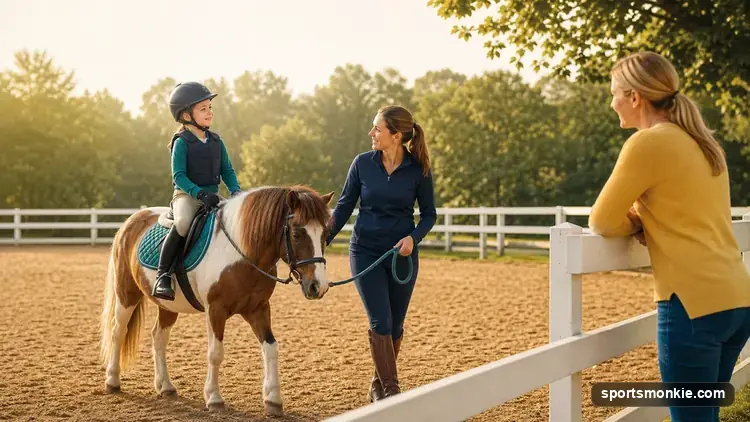
Kids' Horse Riding Lessons: Cost, Age & What to Expect
Children's horse riding lessons: real starting ages, 2026 costs for US, UK, Australia and Canada, required safety gear, and what a kids' lesson looks like.
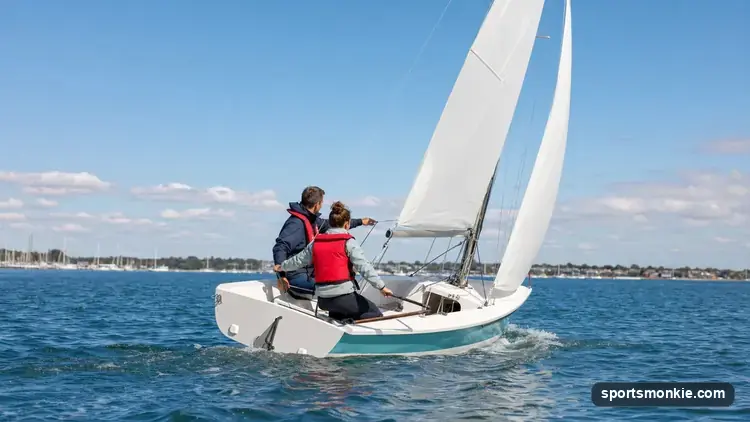
Sailing Lessons: Cost, Certification, and What to Expect
Sailing lessons explained: US Sailing vs ASA vs RYA certification, real 2026 group and private costs, and how many lessons you need before sailing solo.

Fly Fishing Trips for Beginners: What They Cost
Real 2026 prices for beginner fly fishing trips: half-day vs full-day guide costs, what's included, and the best first-timer destinations.
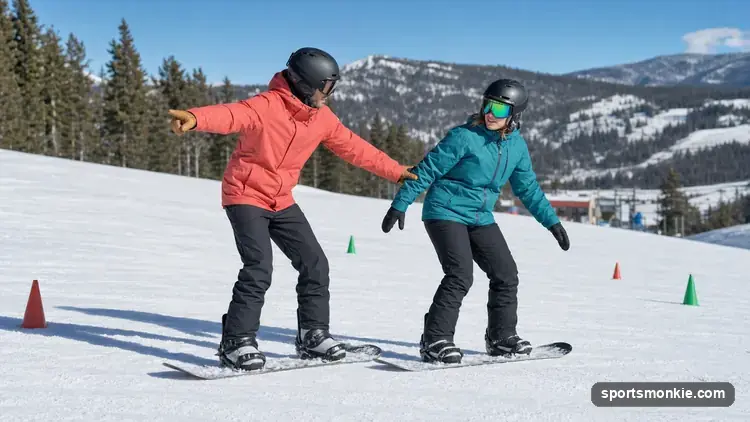
Snowboard Lessons for Beginners: Cost and What to Expect
Snowboard lessons for beginners: 2026 group vs private prices in the US, UK and Australia, how many lessons to link turns, and why day one is hardest.
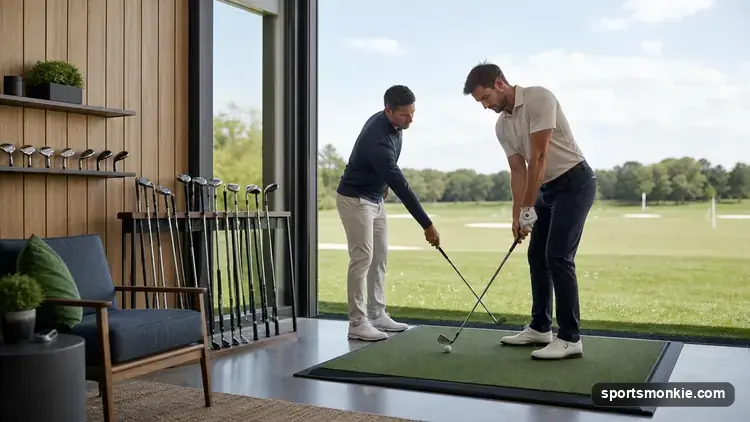
Golf Lessons at Golf Galaxy: What They Cost and What You Get
Golf Galaxy lessons cost about $80 for 30 minutes with a local PGA or LPGA pro, cheaper in packages. See what's included, who teaches, and how it compares.
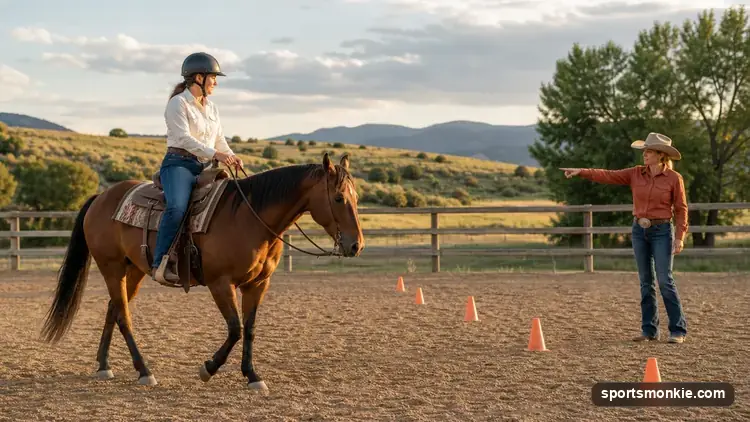
Western vs. English Horse Riding: Which Lessons Should You Take?
Western riding lessons teach a relaxed, one-handed seat for ranch work; English lessons teach a forward, two-handed seat for jumping. How to choose.