
Go Karting for Beginners: What It Costs and What to Expect

On this page7
- 01How much does go karting cost?
- 02What actually happens in your first go-karting session?
- 03Is a membership or multi-race pack worth it?
- 04Electric vs. gas karts: does it matter for a beginner?
- 05Indoor vs. outdoor tracks: which should a beginner pick?
- 06What should you wear to go karting?
- 07Where does go karting lead if you get hooked?
A single go-karting race costs $20 to $32 in the US at chains like K1 Speed, Andretti Indoor Karting, and Pole Position Raceway, plus a one-time or annual license fee of roughly $8 to $10 that almost every track requires before your first lap. UK sessions run £15 to £20 each, Australian sessions AUD $35 to $70, and Canadian K1 Speed races about CAD $32.50. Book a single race or a two-race pack for your first visit. Skip the membership until you know you’ll actually be back.
How much does go karting cost?
Indoor recreational karting - the kind at a strip-mall track, not a competitive racing league - prices per race, not per hour. The race itself is short (10-12 laps, roughly six to ten minutes), but almost every chain bolts on a small license or membership fee that covers your waiver, safety sign-off, and lap-time history.
| Venue | Single race | Multi-race pack | License / membership | Kart type |
|---|---|---|---|---|
| K1 Speed (US) | $23.95-$29.99 | 3 races ~$69.99 (saves ~$20) | $7.95-$8.50/yr | Electric, up to 45 mph |
| Andretti Indoor Karting (US) | $21.95-$25.95 | Bundles vary by location | ~$9.95/yr | Electric |
| Pole Position Raceway (US) | $20-$25 (varies widely by market) | Race + license combos common | $45-$55/yr | Electric |
| TeamSport (UK) | ~£15-£20 per session | Sold as 2-session £30-£40 package | £7.99-£34.99/yr | Electric |
| Karting Madness (AU) | AUD $40-$55 | Double/triple session AUD $85-$110 | ~$10 one-time | Electric |
| K1 Speed (Canada) | CAD $32.50 | 3 races CAD $75 | CAD $9.50/yr | Electric, up to 45 mph |
Figures pulled from each chain’s own pricing pages and confirmed against third-party venue listings, current as of mid-2026. Every one of these figures moves with location and time slot - weekday mornings undercut Saturday afternoons everywhere we checked, and flagship city-center tracks (central London, Las Vegas Strip) run above the ranges shown.
Here’s a worked example: a first-timer at a US K1 Speed pays about $30-$38 all in - one race ($24-30) plus the annual license ($8). Every visit after that, until the license expires next year, costs just the per-race price. Three trips a year lands you around $80-$100 total; that’s less than most people spend on a single round of golf with cart rental.
What actually happens in your first go-karting session?
Expect roughly 20-30 minutes of process for 10 minutes of racing, and that ratio is normal everywhere, not a sign of a slow venue. Check-in starts with a waiver (parents sign for minors), a height and weight check against the kart class, and gear-up: a helmet and disposable head sock are handed out, usually free or for a dollar or two.
Next comes a safety briefing, run either by staff in person or a short video, covering flag signals (yellow for caution, checkered for finish, black for “pit now”), passing rules, and what to do if you spin out (stay seated, hands up, wait for a marshal). Most tracks then send first-timers out for a formation or practice lap or two behind a pace kart before the actual timed race starts.
The race itself is short - usually 8 to 12 laps or 6 to 10 minutes - and your lap times print out or appear on a screen at the finish line so you can see exactly where you gained or lost time. Nobody expects a beginner to be fast. Staff care far more about whether you can control the kart safely than where you finish.
Is a membership or multi-race pack worth it?
Only if you’re racing regularly. The cheap annual license ($8-$10 at K1 Speed and Andretti) is close to unavoidable and worth buying on visit one since every track requires some version of it anyway. The pricier membership tiers - Pole Position’s $45-$55 packages, TeamSport’s higher UK bands - bundle in free or discounted races, and the math only works if you’re coming back at least three or four times in the following year.
Run your own numbers before buying up: if a single race costs $25 and a $55 membership includes two “free” races plus $5 off every race after, you need roughly five visits to break even versus just paying per race. Most people who try karting once or twice never hit that number, so the base license (not the upsell membership) is the only fee a genuine beginner should expect to pay.
Electric vs. gas karts: does it matter for a beginner?
Almost every indoor recreational venue you’ll walk into today runs electric karts, and that’s a real shift from what most people picture when they hear “go kart.” K1 Speed’s own specs put adult electric karts at up to 45 mph with instant torque and no exhaust fumes, which is why indoor tracks can run climate-controlled buildings without ventilation problems. Gas karts still dominate outdoor tracks and competitive junior/senior racing leagues, where longer straights let them stretch to 50-70 mph, but they’re loud, they smell like a lawnmower, and most families never encounter one unless they seek out a dedicated outdoor circuit.
For a beginner, electric is simpler in every way that matters: no stall risk, no clutch to learn, consistent power delivery lap after lap, and a shorter learning curve before you’re driving smoothly instead of fighting the machine.
Indoor vs. outdoor tracks: which should a beginner pick?
Indoor tracks are the easier first experience. They’re shorter (often 60-90 second laps), tighter, and weatherproof, which means a rained-out Saturday doesn’t cancel your plans. The trade-off is less top speed and shorter straights, so you rarely get the flat-out feeling people associate with karting.
Outdoor tracks reward more once you’ve got a session or two under your belt - longer straights, real elevation changes at some circuits, and higher top speeds on gas karts. They’re also more exposed to weather and typically farther from city centers. If you’re deciding where to try karting for the very first time, book indoor. Save outdoor for once you already know you like it.
What should you wear to go karting?
- Shoes: closed-toe, flat-soled. No sandals, heels, or flip-flops - most venues will refuse entry at the pedal box.
- Pants: long pants, not shorts, to protect against friction and heat from the kart’s motor housing.
- Top: something fitted. Loose hoodies, scarves, or dangling jewelry can catch on the harness or seat.
- Hair: tie back long hair before the head sock goes on; it’s genuinely uncomfortable otherwise.
- Leave at home: anything you’d hate to sweat in. Helmets get warm fast, especially indoors.
You don’t need racing gloves or a suit for a first recreational session - that gear matters for competitive leagues, not a walk-in race.
Where does go karting lead if you get hooked?
Plenty of people stop at “fun weekend activity,” and that’s a perfectly good place to stop. But karting is also the traditional entry point into motorsport - most current F1 drivers started in karts as kids, and the same skills (braking points, racing lines, reading traffic) scale up directly. If the speed bug bites, our breakdown of the fastest F1 cars in history is a good next read for where that skill ceiling eventually goes, and our F1 points system explainer covers how the sport you might be watching this weekend actually scores a race.
Ready to try it? Book a single race or a two-race pack at your nearest indoor track before committing to any membership. It’s the cheapest way to find out whether you actually like it - and if you do, the upsells will still be there next visit.
For the wider context, we break down How Much Does Go-Karting Cost? separately.
Frequently asked questions
How much does a single go-karting race cost?+
At US indoor chains, expect $20-$32 for one race, plus a one-time or annual license fee of roughly $8-$10 at K1 Speed and Andretti, or bundled into a $45-$55 membership at Pole Position Raceway. UK sessions run £15-£20 each, Australian sessions AUD $35-$70, and Canadian K1 Speed races about CAD $32.50.
Is go karting an expensive hobby?+
Not for occasional racing. A monthly visit costs less than a round of golf or a gym class once the annual license is paid off, typically $20-$30 per return visit. It only gets expensive if you race weekly without a multi-race pack, or move into owning and maintaining your own competition kart, which starts around $2,000-$4,000.
Do beginners need their own racing license to go karting?+
You need a track-specific license or membership, not a motorsport federation license. Most indoor chains sell it as a cheap annual add-on ($7.95-$10) required before your first race, covering waiver paperwork, safety briefing sign-off, and lap-time tracking. Some venues, like Pole Position Raceway, fold it into a slightly pricier one-time membership instead.
How fast do indoor go-karts actually go?+
Modern indoor electric karts top out around 40-45 mph, which feels considerably faster than that number suggests because you're sitting inches off the ground. Outdoor gas karts at dedicated tracks run faster, often 50-70 mph on longer straights, but almost no indoor recreational venue uses gas karts anymore.
What should a beginner wear to go karting?+
Closed-toe flat shoes, long pants, and a fitted top with no loose scarves, drawstrings, or dangling jewelry that could catch on the kart or harness. Most venues supply a helmet and head sock (balaclava) for free or a small rental fee. Skip flip-flops and baggy hoodies; staff will turn you away at check-in for both.
Is a go-karting membership worth it if you only race occasionally?+
Rarely. Annual licenses under $10 are worth buying on your first visit since they're required anyway, but pricier membership tiers with bundled races only pay off at four or more visits a year. If you're trying karting once or twice, book the cheapest single-race or two-race package and skip upsells at checkout.
Sources
- K1 Speed — Frequently Asked Questions (license, laps, electric kart specs)
- K1 Speed Irvine — race and license pricing
- Andretti Indoor Karting Orlando — pricing and packages
- JCFamilies — Pole Position Raceway Jersey City pricing and membership
- TeamSport — How Much Is Go Karting? (UK pricing)
- Karting Madness — session and membership pricing (Australia)
- K1 Speed Toronto — race and license pricing (Canada)
Play & tools
Free browser games and tools — no account, no download.
- Play 24-0 — Draft an F1 chassis and two drivers, then chase a perfect 24-0 — win every race on the 24-round calendar.
- Explore all our games →
Related motorsport guides
View all →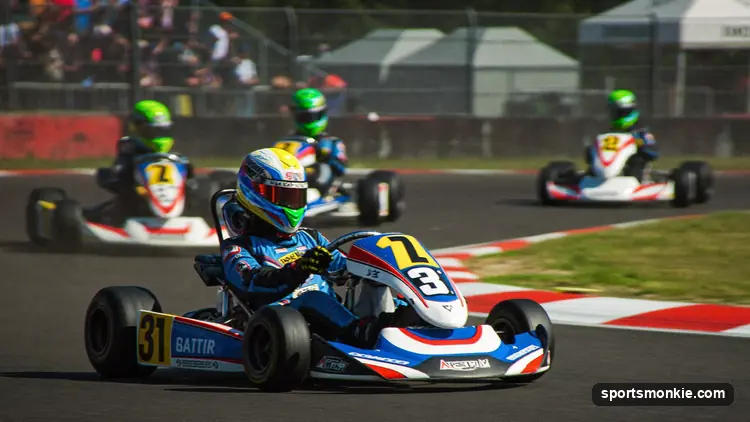
How Much Does Go-Karting Cost?
How much go-karting costs: a single arrive-and-drive race, memberships, kids' rates and owning a race kart, with typical 2026 price ranges explained.
F1 Paddock Club Tickets: What's Included and What It Costs
F1 Paddock Club prices run $5,500 to over $15,000 per race weekend. See exactly what's included, how it beats local hospitality, and what GA gets you.
Snowboard Lessons for Beginners: Cost and What to Expect
Snowboard lessons for beginners: 2026 group vs private prices in the US, UK and Australia, how many lessons to link turns, and why day one is hardest.
Marc Marquez Will Not Give His Opinion on Qatar as MotoGP Riders Split Over Racing There
Marc Marquez refused to give his opinion on MotoGP racing in Qatar on November 6 to 8. Martin, Alex Marquez, Acosta and Bagnaia each answered differently at Phillip Island.
MotoGP Bids Farewell to Phillip Island After 30 Years
MotoGP races at Phillip Island for the last time this weekend. The Australian Grand Prix moves to Adelaide in 2027. Martin leads Marquez by two points, and a storm is forecast.
F1's Fuel Flow Meter Supplier Is Sued Over a Patent Days Before the US Grand Prix
Sentronics, the FIA's former fuel flow meter supplier, has sued its replacement Allengra in Texas, claiming the sensors on every F1 car infringe its patent.