
53 Red Cards in One Match: Brazilian U-20 Brawl Smashes the World Record
On this page6
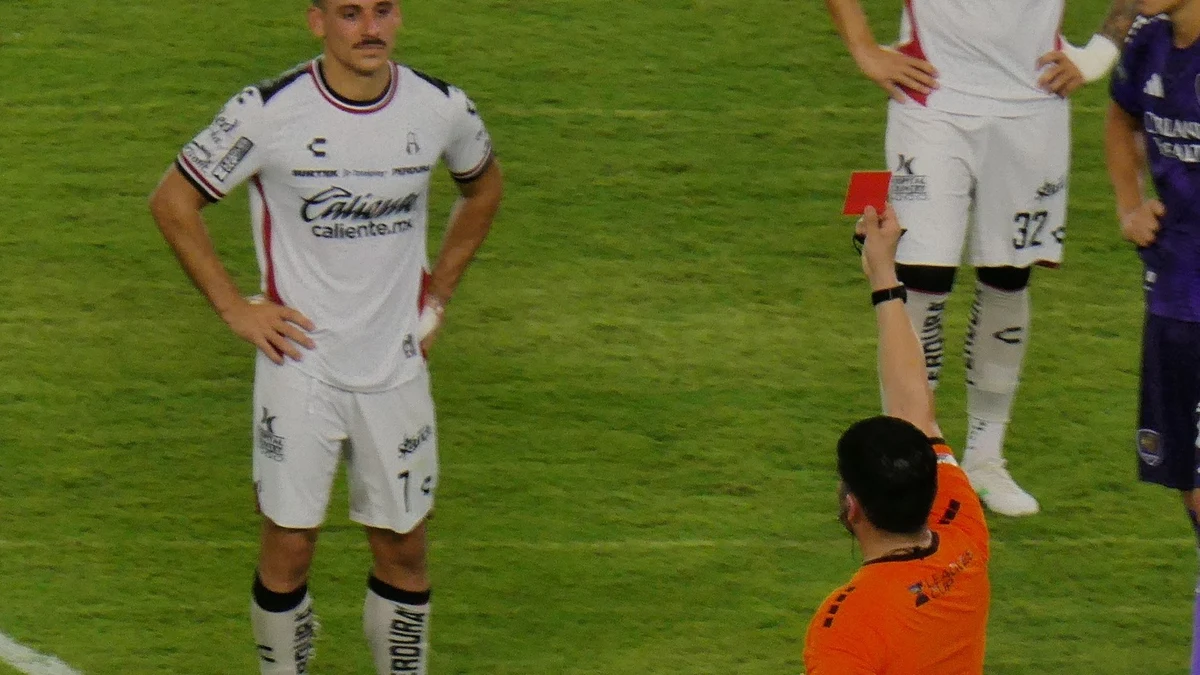
A Brazilian under-20 semi-final ended with 53 red cards, the most ever recorded in a single match, after a mass brawl at Parque do Sabia in Uberlandia on Sunday. Uberlandia and Mamore were contesting the first leg of a Minas Gerais state championship semi-final when Mamore’s third goal set off a fight involving players, substitutes, coaches and club officials. The referee abandoned the match, filed a police report over threats made against him, and on Wednesday Uberlandia forfeited the second leg, sending Mamore to the final with seven eligible players left.
How did one match produce 53 red cards?
By counting everyone the laws allow a referee to dismiss, not just the 22 players on the pitch. The total breaks down as 43 players, eight members of the coaching staff and two Uberlandia board members. Three players had already been sent off before the brawl, and 40 more players were dismissed after it, TNT Sports reports. Substitutes count, players already substituted count, and staff count, which is how a youth semi-final can produce a number larger than a full matchday squad. The referee’s own report explains why the number is a paper total as much as a visual one: the brawl made it impossible to physically show most of the cards, so the dismissals were entered in his report rather than brandished on the pitch. A playoff abandoned after an attack on the referee is a pattern this desk has seen before, in the Kenyan playoff abandoned after a referee was attacked in Nairobi, but nothing in that file approaches this count.
What started the brawl?
A goal celebration aimed at the wrong bench. Mamore went 3-1 up in the ninth minute of stoppage time, and Davi Fernandes Bittencourt celebrated the goal in front of the Uberlandia bench, directing insults and provocative gestures toward it, according to the referee’s report and Brazilian media accounts carried by Reuters and Stadium United. Uberlandia goalkeeping coach Paulo Sergio Dias dos Santos ran onto the pitch and pushed him, and the confrontation spread to players and staff from both sides. The mood was already foul. Early in the second half, Uberlandia officials had invaded the pitch after one of their players was sent off, demanding the decision be reversed, and the match was halted for 40 minutes before it restarted. The goal did not start the anger. It gave it a target.
What did the referee say in his report?
That the match became impossible to finish, in his own words. Referee Fernando Patrick Drosghic Modesto wrote: “In the 54th minute of the second half, a generalized brawl broke out, making it impossible to show the red cards and to carry out the match-closing protocol. Therefore, owing to all the turmoil and the lack of security, I declared the match ended.” He added that a police report had been filed over threats made against him, TNT Sports reports, and that Mamore’s team had vandalised the dressing room after the match, Reuters reports. His report also alleges six ball attendants joined the violence, Stadium United reports. Military police were called to break up a fight that continued back in the locker rooms, Sports Illustrated reports, and the aftermath left broken doors, sinks, toilets, showers and benches, smashed windows and damaged electrical wiring. The report is now the document everything else hangs on, the way the referee’s report pointed the Vinicius ban to a specific article in the Madrid case. Abandonment is a familiar endpoint in football, from Rayo Vallecano’s paper-plane protest in Madrid to the Kenyan playoff, but those matches ended over a protest or an attack. This one ended because the referee could not guarantee anyone’s safety.
What was the previous record?
Thirty-six red cards, set in February 2011 in a fifth-division match in Argentina between Atletico Claypole and Victoriano Arenas, a mark that had stood for more than 15 years. The Uberlandia total beats it by 17, and the 43 players alone would break it. The record has a caveat worth stating plainly. Guinness’s public listing still names the 2011 match as its benchmark, Stadium United reports, and Sports Illustrated notes the organisation focuses on professional matches and is not expected to announce a new record for a youth state semi-final. The 53 is the highest number ever recorded in a match, whether or not it enters the Guinness books. The scale of it is what matters: a referee dismissing more people than most squads employ, in a game that was supposed to decide a place in a final.
What happened to the second leg?
Uberlandia gave it up. On Wednesday the club said it would forfeit the second leg as a gesture of fair play, because Mamore did not have enough eligible players to field a team, Reuters reports. “The club has also not remained silent: the appropriate disciplinary measures regarding those involved have already been taken internally, because athletic development is, above all, a matter of personal development,” Uberlandia added. The forfeit sent Mamore to the final, and the club’s statement accepted that outcome: “Verdao seeks its victories on the field, with merit and respect for the opponent, and therefore recognizes Mamore’s qualification for the final,” Sports Illustrated quotes it as saying. A place in the final also brings promotion to the first division of the state’s under-20 championship, which is why the forfeit stings even as a gesture. The tie was decided not by the second leg but by a disciplinary count.
What happens next?
The police and the tribunal take over, and the final itself is in doubt. Police are investigating whether any further charges need to be brought against any of the individuals involved, Sports Illustrated reports, and under the Minas Gerais federation’s regulations the expelled players and technical staff are automatically barred from the next match in the same competition, even before the sports tribunal considers further punishment. Federation discipline after a flashpoint is a familiar process: when Suriname called on FIFA and Concacaf to act over a racist abuse allegation, the complaint went to the governing bodies rather than staying on the pitch. Mamore vice-president Edson Reis said the club planned to seek relief for some players and ask for Uberlandia’s exclusion from the competition, arguing punishments should reflect each person’s involvement and claiming his players and staff were defending themselves amid inadequate security, Stadium United reports. The damage is a separate dispute: police told O TEMPO that roughly 14 doors, bathroom fixtures, electrical wiring and other equipment were damaged, including two whirlpool baths, while Uberlandia officials blamed the visiting delegation and the police account did not individually identify those responsible. The winners of the tie have seven eligible players left and a final to play. That is the paradox the forfeit created, and it is why this story will not end with the record. The count is settled. The team that has to play next is not.
Frequently asked questions
How did one match produce 53 red cards?+
The dismissals covered 43 players, eight members of the coaching staff and two Uberlandia board members. Three players had already been sent off before the brawl, and 40 more players were dismissed after it. Dismissals can apply to substitutes, players already substituted and team officials, which is how the total climbs far past the 22 players on the pitch. The referee said the brawl made it impossible to physically show most of the cards.
What started the brawl?+
Mamore's Davi Fernandes Bittencourt celebrated the team's third goal in front of the Uberlandia bench, directing insults and provocative gestures toward it, according to the referee's report and Brazilian media accounts. Uberlandia goalkeeping coach Paulo Sergio Dias dos Santos ran onto the pitch and pushed him, and the confrontation spread to players and staff from both sides. The match had already been halted for 40 minutes earlier in the second half after Uberlandia officials invaded the pitch to protest a sending-off.
What did the referee say in his report?+
Referee Fernando Patrick Drosghic Modesto wrote that a generalised brawl broke out in the 54th minute of the second half, making it impossible to show the red cards and carry out the match-closing protocol, and that owing to all the turmoil and the lack of security, he declared the match ended. He added that a police report had been filed over threats made against him, and his report also alleges six ball attendants joined the violence.
What was the previous record for red cards in a match?+
Thirty-six, shown in a fifth-division match in Argentina between Atletico Claypole and Victoriano Arenas in February 2011, a mark that had stood for more than 15 years. The 53 dismissals in Uberlandia pass it by 17, and the 43 players alone would break it. Guinness's public listing still names the 2011 match as its benchmark, and the organisation focuses on professional matches, so a formal update to its listing has not been confirmed.
What happened to the second leg?+
It will not be played. On Wednesday Uberlandia said it would forfeit the second leg as a gesture of fair play, because Mamore did not have enough eligible players to field a team, and Mamore qualified for the final. Uberlandia's statement said the club seeks its victories on the field, with merit and respect for the opponent, and therefore recognises Mamore's qualification. A place in the final also brings promotion to the first division of the state's under-20 championship.
Can Mamore field a team for the final?+
Barely, and that is the strange half of this story. Sports Illustrated reports Mamore were left with just seven eligible players because of all the suspensions, and under the Minas Gerais federation's regulations expelled players and technical staff are automatically barred from the next match in the same competition. Mamore vice-president Edson Reis said the club planned to seek relief for some players and ask for Uberlandia's exclusion, arguing punishments should reflect each person's involvement.
What happens next?+
The police are investigating whether any further charges need to be brought, and the federation's sports tribunal will consider further punishment beyond the automatic one-match bans. The damage is also part of the case: police told Brazilian outlet O TEMPO that roughly 14 doors, bathroom fixtures, electrical wiring and other equipment were damaged, including two whirlpool baths, though the police account did not individually identify those responsible. The final itself is the open question, with Mamore short of players and seeking relief.
Sources
- Reuters: Referee hands out record 53 red cards after mass brawl erupts in Brazilian under-20s match (the 53 total, the referee's report quotes, the threats and police report, the previous 36-card record, Uberlandia's forfeit)
- TNT Sports: Guinness World Record for most red cards in a single game broken after 15 years, as 53 people sent off in Brazil (the 40-plus-three player breakdown, the Davi gesture, the death threats, the 40-minute halt and abandonment)
- Sports Illustrated: New Red Card World Record Set As Police Called to Stop Brawl in Brazil (military police, the locker-room damage, the full dismissal lists, seven eligible players left, the Guinness professional-matches caveat)
- Stadium United: Brazilian youth semifinal ends with 53 dismissals (the 51-plus-two arithmetic, the ball-attendant allegation, the Guinness listing still showing 2011, the damage dispute, Mamore's relief bid)
Play & tools
Free browser games and tools — no account, no download.
- Play 38-0 — Sign a 4-4-2 of all-time football legends and chase a perfect 38-0 league season — perfect, not just unbeaten.
- Explore all our games →
Related football guides
View all →
Jackson Escapes Red for Stamp on Cubarsi as Barcelona Beat Villa 3-0
Nicolas Jackson stayed on the pitch after stamping on Pau Cubarsi's foot in Barcelona's 3-0 Champions League win over Aston Villa, and the yellow card split the verdicts.

Galatasaray Fenerbahce Derby Ends in Post-Whistle Brawl and a Police Corridor at RAMS Park
Galatasaray's 2-1 derby win over Fenerbahce ended in a four-minute post-whistle brawl, two red cards, and both teams leaving through a police corridor at RAMS Park.

Neville Slams Heaven's '1984' Lunge as Ex-Ref Chief Gives Two Verdicts
Ayden Heaven escaped with a yellow for a two-footed lunge at Evanilson, Gary Neville fumed on Sky, and Keith Hackett has now given two different verdicts.
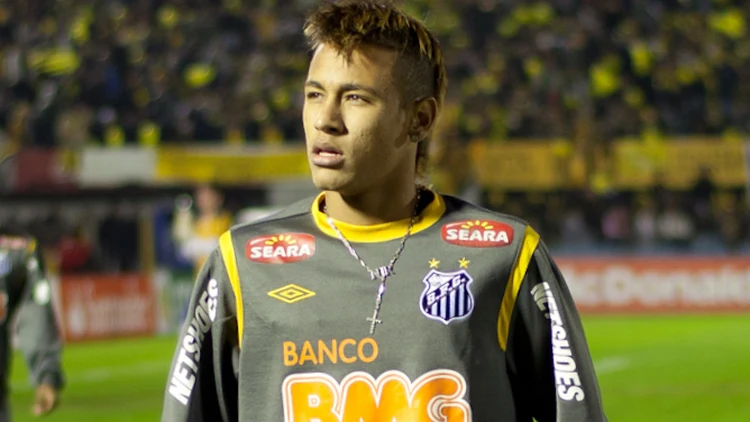
Neymar Sent Off Under Vini Jr Rule After Covering Mouth in Santos-Bahia Row
Neymar was shown a straight red card before the second half at Vila Belmiro for covering his mouth during a row with Bahia's Rodrigo Nestor, then accused Nestor of misusing an anti-racism law.
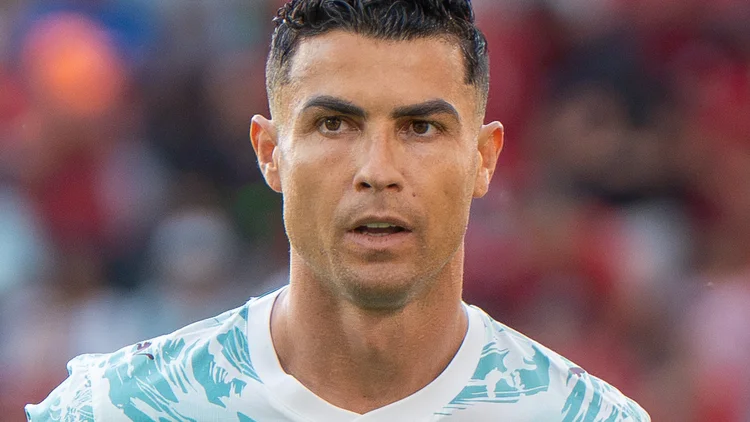
Ronaldo's Al-Faisaly Header Sets a Saudi League Record in 3-1 Win
Cristiano Ronaldo's header in Al-Nassr's 3-1 win at Al-Faisaly was his 982nd career goal and a Saudi league record: the 25th different club he's scored against.

Bromley Part With Andy Woodman 10 Games Into First League One Season
Bromley have parted with Andy Woodman, who led them from the National League to League One, 10 games into the season. Byron Webster takes interim charge.