
What Is a Mulligan in Golf? Meaning and Rules
On this page6
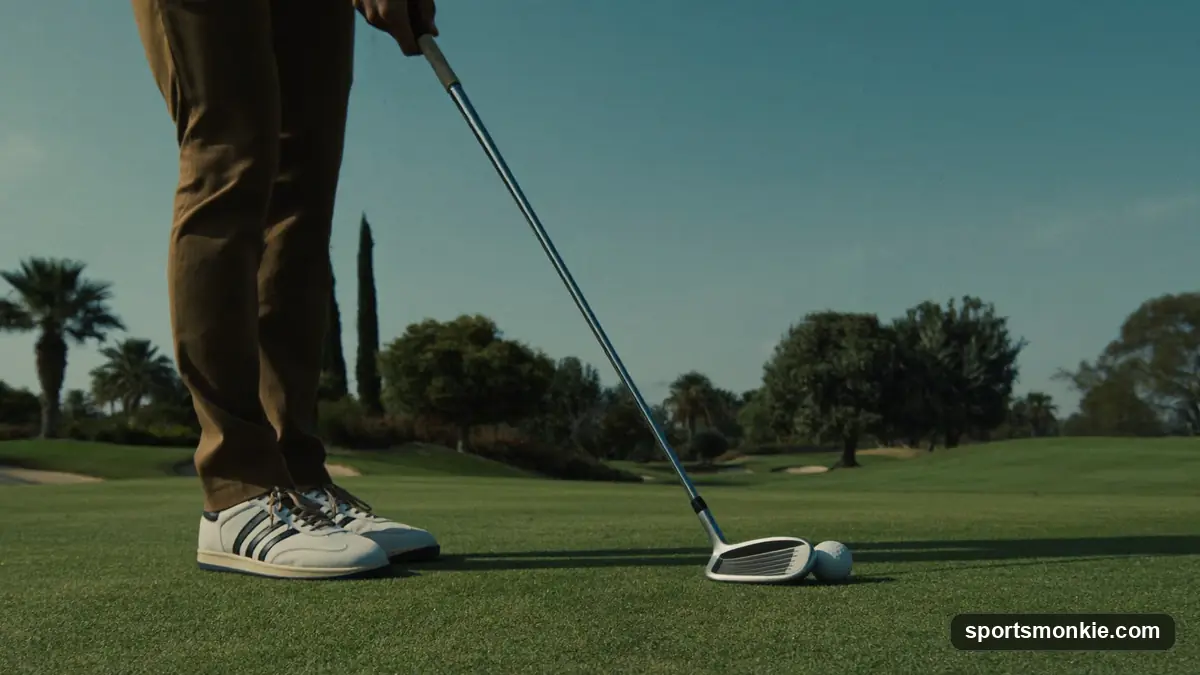
A mulligan in golf is an informal do-over. You replay a shot, usually a bad one, without counting the original stroke and without taking any penalty, as if the first attempt never happened. It is a friendly courtesy rather than a rule, and it is most commonly taken off the first tee.
The catch worth stating plainly: the mulligan appears nowhere in the official Rules of Golf. It is a social convention among casual players, and using one in competition or in a round you intend to post for handicap purposes is simply not legal. Here is what it means, where the word likely came from, and the etiquette that keeps mulligans friendly.
What actually happens when you take a mulligan
Say you top your opening drive and it dribbles 40 yards. Take a mulligan and you tee up a second ball, hit again, and play on from the better shot, pretending the first never occurred. No stroke is added for the flubbed attempt, and no penalty stroke is charged. That “erase and retry” quality is exactly why it is not part of the real rules, which count every stroke.
Because it is unofficial, there is no fixed limit written down. How many mulligans a group allows, and where, is whatever the players agree on before the round.
Mulligan versus the official rules
The gap between a mulligan and a legitimate replayed shot is the whole point.
| Situation | Stroke counted? | Penalty? | Legal under Rules of Golf? |
|---|---|---|---|
| Mulligan (casual do-over) | No | No | No |
| Provisional ball (ball may be lost) | Yes, if the provisional is used | Stroke-and-distance | Yes |
| Re-tee after a lost ball or out of bounds | Yes | Stroke-and-distance | Yes |
| Breakfast ball (first-tee mulligan) | No | No | No |
A provisional ball often gets confused with a mulligan, but they are opposites: a provisional counts every stroke under stroke-and-distance, while a mulligan pretends the bad shot away.
Where the word comes from
The origin is genuinely uncertain, and reputable golf sources present it as folklore. The most-told story credits David Mulligan, a Canadian golfer in the 1920s or 1930s, who is said to have re-hit an errant drive, called it a “correction shot,” and had his playing partners name the do-over after him. A competing account points to a New Jersey locker-room attendant, also named Mulligan, in the 1930s. There is no definitive record settling which is true, so treat the tale as a colorful legend rather than documented history.
How many mulligans, and only off the tee?
There is no official number because there is no official mulligan. In practice:
- The classic version is one mulligan off the first tee, sometimes called a “breakfast ball,” to shake off nerves before the round settles in.
- Some casual groups extend it, allowing a mulligan per nine, or one per player for the round.
- Traditionally it is a tee-shot courtesy, but relaxed games apply it anywhere by agreement.
The key etiquette rule is to settle the terms before the first swing, so nobody is claiming a surprise do-over on the back nine.
Mulligan etiquette in a group
Even in a friendly round, a few unwritten courtesies keep mulligans from slowing play or souring the mood:
- Take it immediately. A mulligan is replayed right after the offending shot, from the same spot. You do not get to walk up the fairway, dislike your lie, and then decide to go back.
- Keep pace. If the group behind is waiting, skip the do-over. A round bogged down by repeated re-tees is the fastest way to make mulligans unwelcome.
- Apply it evenly. If one player gets a first-tee do-over, everyone should. Mulligans work as a shared courtesy, not a privilege claimed by the loudest player.
- Never in a real match. The moment money, a trophy or a posted score is on the line, mulligans are off the table unless every participant explicitly agreed beforehand.
Because the mulligan lives entirely outside the rulebook, these norms are what keep it fair. They are social agreements, so the group that talks them through on the first tee avoids the arguments that unspoken assumptions create.
Related casual terms
The mulligan sits inside a small family of golf slang for informal do-overs and side bets. A “breakfast ball” is simply another name for a first-tee mulligan, a nod to the early-morning nerves it forgives. A “gilligan,” as noted above, flips the idea by letting an opponent make you replay a good shot. Some groups also use a “sandy” or other side-bet terms, but those reward specific outcomes rather than granting a do-over. Keeping the vocabulary straight matters mostly so everyone agrees on what is being offered before the round starts.
Keep mulligans where they belong
Mulligans make a relaxed weekend round more fun and less punishing for beginners, and that is a perfectly good use of them. Just keep them out of competition, out of any match with a wager unless everyone agreed to them, and out of scores you post for a handicap.
If you want organized side-games that reward good play rather than erase bad shots, look at the Nassau golf game and the Vegas golf game rules. For a team format popular at charity outings where mulligans are often sold, see our golf scramble rules, and to keep your scoring honest, read golf handicap explained. The short version: a mulligan is a friendly do-over, not a rule, so enjoy it in casual play and leave it in the bag when the score counts.
Frequently asked questions
Why is it called a mulligan?+
The most-repeated origin credits a Canadian golfer named David Mulligan, who in the 1920s or 1930s reportedly re-hit a wayward tee shot and called it a correction, after which his partners named the do-over after him. Other stories point to a locker-room attendant named Mulligan. The exact source is disputed, and golf historians treat all versions as folklore.
What is a gilligan in golf?+
A gilligan is the joking opposite of a mulligan: it lets an opponent force you to replay a shot you just hit well, usually once per round by prior agreement. Where a mulligan bails you out of a bad shot, a gilligan snatches back a good one. Both are betting-game gimmicks, not real rules.
Do mulligans affect your handicap?+
They should. A score that includes mulligans is not a legitimate score under the Rules of Golf and is not eligible for handicap posting. If you want an accurate handicap, play and post rounds by the actual rules. Mulligans belong to friendly, non-counting rounds only.
Are mulligans ever officially allowed?+
Never in competition under the Rules of Golf, but charity scrambles and outings sometimes sell mulligans as a fundraiser, letting players buy one or two do-overs for the day. That is an event-specific gimmick agreed in advance, not a change to the rules themselves.
Sources
Play & tools
Free browser games and tools — no account, no download.
- Play today's Sports Connections — Today's Sports Connections — daily hints, answers, and play the grid.
- Play Guess the NFL Player — A new mystery NFL player every day. Eight guesses, with a clue on each — plus free unlimited mode.
- Explore all our games →
Related golf guides
View all →
Why Do Golfers Yell Fore? Origin and When to Shout It
Golfers yell 'fore' to warn anyone ahead that an errant ball is heading their way. The word likely comes from 'forecaddie' — but the origin is genuinely disputed.
What Is a Hole-in-One in Golf?
A hole-in-one is a score of one stroke on a par-three, par-four or par-five hole, although the hole's official par and format still matter.

Best Ball Golf Format: Rules and How to Score
In best ball golf, each player plays their own ball and the team takes the lowest score on each hole. Rules, scoring and how it differs from a scramble.
Golf Scramble Rules: Format & Handicaps
Golf scramble rules: everyone tees off, the team plays the best shot, and records one score per hole. Handicaps, the Texas scramble and lie rules.

Nassau Golf Game: Rules, Presses, Payouts
A Nassau is three golf bets in one round: front nine, back nine and overall 18. How a $2 Nassau works, how presses add up, and how payouts are settled.
What Is a Shotgun Start in Golf?
A shotgun start sends every group out to a different hole at the same time, so all players begin and finish together. How it works and why events use it.