
Richest LFL Athletes: Earnings and Life Beyond the Field

On this page6
No LFL athlete ever got rich from playing football. The Legends Football League, now rebranded as the X League, paid little or nothing, so the “richest” players are those who used the exposure to build careers elsewhere. If you have landed here after seeing a ranked list of LFL net worths, be sceptical: individual player earnings have never been disclosed, and the figures circulating online are invented.
How we measure “richest” in a league that barely paid
In most sports, ranking the richest athletes means comparing contracts. The LFL breaks that model completely. In the earliest seasons players were unpaid, trading their time for game reps and airtime; later seasons added only small, inconsistent stipends tied to things like ticket sales and match results.
That is not an inference from message boards. It is what a federal lawsuit alleged. A former Las Vegas Sin player, Robin Johnson, who was on the roster from 2011 to 2013, filed a collective action in US District Court claiming that she and hundreds of other players were paid neither the minimum wage nor overtime, and that some seasons produced no income at all. The Las Vegas Review-Journal reported that the league did not defend the case and a default was entered against it.
So “richest LFL athletes” is really a question about who converted athletic visibility into money somewhere else. The women who came out ahead financially treated the league as a stage, not a salary.
The LFL athletes who built the biggest profiles
Yashi Rice was one of the league’s most durable names, a defensive end for the Chicago Bliss from 2010 and the younger sister of Super Bowl XXXVII champion Simeon Rice. Alongside football she pursued an R&B career, releasing a single written and produced by Grammy winners Rico Love and Jim Jonsin, and she appeared on the Oxygen reality series “Pretty. Strong.”
Alli Alberts was a wide receiver for the Chicago Bliss and the clearest illustration of where LFL money actually came from: she is a general dentist, and was working as a prosthodontics resident while playing. Oxygen’s cameras made a running theme of the risk, since a hand or finger injury on Sunday could end her ability to practise on Monday.
Chelsey Haardt, a Cal State Fullerton graduate, starred for the Los Angeles Temptation and was named to the league’s 10th-anniversary first team. She built a career in education, working as a teacher and launching an after-school flag football programme for elementary students.
Jade Randle, a Harvard graduate, was the most decorated player on this list. She swept LFL Rookie of the Year, Offensive Player of the Year and MVP in 2016 with the Dallas Desire, won a Legends Cup in 2017, and later played for the Seattle Mist and Nashville Knights. Her academic credentials and on-field honours made her one of the more marketable athletes the league produced. They did not come with a salary to match.
At a glance: notable LFL athletes and where the money came from
| Athlete | Known LFL team | Primary earning path beyond the game |
|---|---|---|
| Yashi Rice | Chicago Bliss | Music, reality TV (“Pretty. Strong.”), media profile |
| Alli Alberts | Chicago Bliss | Dentistry (general dentist, prosthodontics) |
| Chelsey Haardt | Los Angeles Temptation | Teaching, youth flag-football coaching |
| Jade Randle | Dallas Desire, Seattle Mist, Nashville Knights | Harvard credential, media profile, MVP-level platform |
Figures for individual player earnings are not publicly disclosed. The table reflects each athlete’s main documented income path, not a verified net worth, and we have not assigned dollar values because no reliable ones exist.
Why the money never came from the league
The LFL’s pay situation is an extreme version of a problem across women’s sports. Even leagues with real compensation structures, the NWSL in soccer or the WNBA in basketball, have historically paid a fraction of what male counterparts earn. LFL athletes sit at the far end of that same gap, with little or no salary at all.
The independent-contractor classification is the mechanism. Treating players as contractors rather than employees removes the minimum-wage floor, the overtime obligation and the workers’ compensation cover a contact sport would otherwise require, and that classification is what the wage litigation against the league targeted. It also drew sustained criticism from mainstream sports media, including espnW’s assessment that the league was the wrong packaging for the women’s game.
That exposure was still the asset they monetised through social followings, fitness credibility, modelling bookings and the occasional television spot. Plenty of them played anyway because they loved football, at a time when competitive tackle options for women barely existed.
Where the league stands in 2026
The earning picture has only got harder because the league itself has stalled. The Legends Football League, which dropped its original “Lingerie Football League” name in 2013, rebranded again as the X League in 2020 in a push to be taken more seriously. No full season was played in 2023, 2024 or 2025.
A 2026 relaunch was announced with a hybrid tackle-and-flag format and a schedule opening on 4 April 2026. Tickets never went on sale, the schedule was quietly pulled from the league’s website as the date approached, no game was played on 4 April, and the league’s social channels went silent. For current and prospective players, the platform that once generated visibility is at best on hold.
The bottom line on LFL wealth
The richest LFL athletes are not the best players; they are the best brand-builders. Wealth in this league has always been an off-field achievement, built from teaching salaries, dental practices, coaching businesses, modelling work and media appearances that the game made possible. Anyone publishing a ranked net-worth list of LFL players is filling in numbers nobody has.
Freshness note: the X League’s status has not changed since its failed April 2026 relaunch; re-check before describing the league as active or defunct. Player income figures are not disclosed and are unlikely ever to be, so this article deliberately carries no dollar rankings.
Frequently asked questions
What is the Legends Football League?+
The Legends Football League, originally the Lingerie Football League, is a women's American football competition that began as a Super Bowl halftime alternative in 2009. It grew into a seven-a-side contact league known for athletic play as well as its controversial uniforms and marketing. It dropped the Lingerie name in 2013 and rebranded again as the X League in 2020.
Were LFL players employees or independent contractors?+
The league classified them as independent contractors, which meant no minimum wage, no overtime and no employment protections. A former Las Vegas Sin player, Robin Johnson, filed a collective action in US District Court alleging the classification was deliberate and unlawful. The league did not defend the case and a default was entered against it.
Did LFL players have to hold other jobs?+
Almost all of them did. The Chicago Bliss squad filmed by Oxygen included a general dentist and a pharmaceutical sales rep, and the Los Angeles Temptation's Chelsey Haardt taught school. Players trained and travelled around full-time work. That was not a lifestyle choice; with no reliable playing income, an outside job was the only way to fund a season.
Where can women play tackle football in the US now?+
The Women's Football Alliance is the largest and longest-running full-contact league, with the Women's National Football Conference operating alongside it, and USA Football fields a national team for international competition. All are semi-professional or amateur, so players typically pay dues or fundraise rather than collect a salary.
Is women's American football growing?+
Interest and participation are rising, and flag football's addition to the 2028 Olympic programme has pulled new funding and attention toward the women's game. Tackle football remains niche and underfunded, though, with pay and infrastructure still far behind the men's game and behind better-resourced women's leagues such as the WNBA and NWSL.
Sources
Play & tools
Free browser games and tools — no account, no download.
- Play today's Sports Connections — Today's Sports Connections — daily hints, answers, and play the grid.
- Play Guess the NFL Player — A new mystery NFL player every day. Eight guesses, with a clue on each — plus free unlimited mode.
- Explore all our games →
Related records & rankings guides
View all →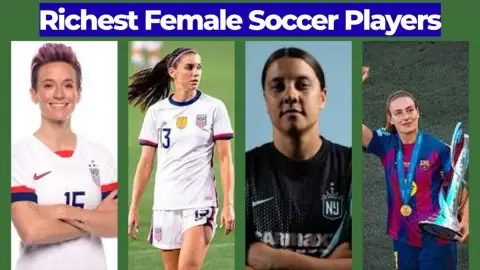
Richest Female Soccer Players: Earnings and Wealth Explained
An overview of the wealthiest women's football players, how they earn their money, and what drives income inequality in the women's game.

Richest PBA Athletes: Top Earners in Philippine Basketball
See the highest-earning players in the Philippine Basketball Association, how PBA salaries compare globally, and the endorsements that drive their wealth.
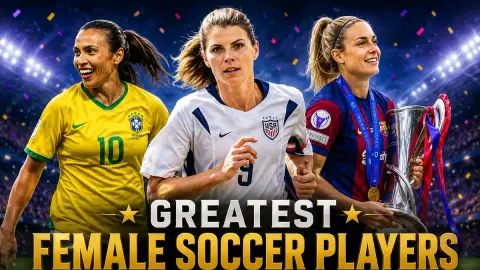
Greatest Female Soccer Players of All Time: 2022 Update
The greatest female soccer players of all time include Marta, Mia Hamm, Birgit Prinz, and a new wave led by Sam Kerr and Alex Morgan. Meet them.

Most Marketable Athletes: Who Earns Most Off the Field
Shohei Ohtani earned $125m off the field in 2026, per Forbes. The most marketable athletes ranked by endorsement income, and why marketability differs from pay.
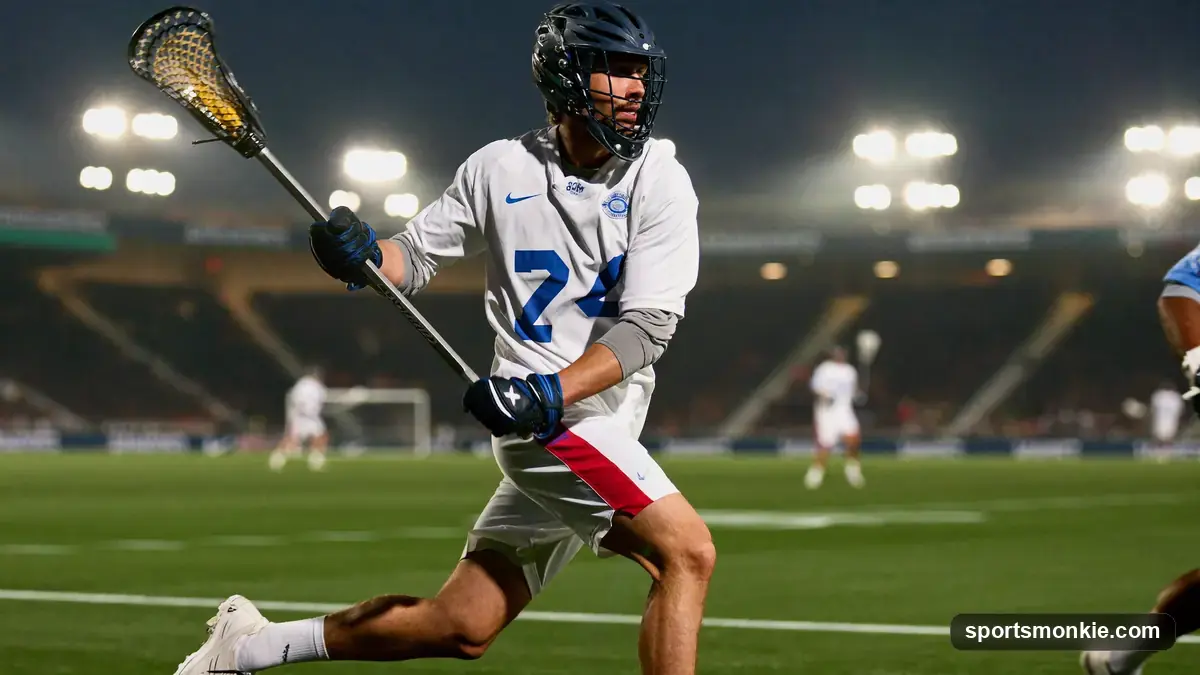
The Highest-Paid Lacrosse Players: Salaries & Earnings
Who is the highest paid lacrosse player? How the money works: PLL and NLL salary caps, endorsements, and why the top earners aren't paid by salary.
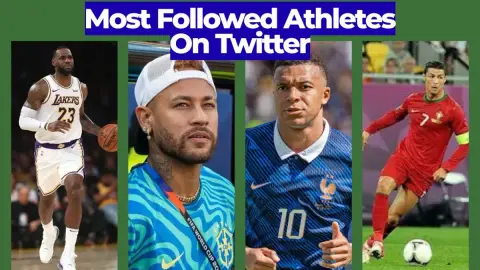
Most Followed Athletes on Twitter/X (2023 Rankings)
The athletes with the largest followings on Twitter/X are dominated by footballers and basketball stars. Here's who leads the table and why.