
How to Play the Cover Drive in Cricket: Technique & Timing
On this page8
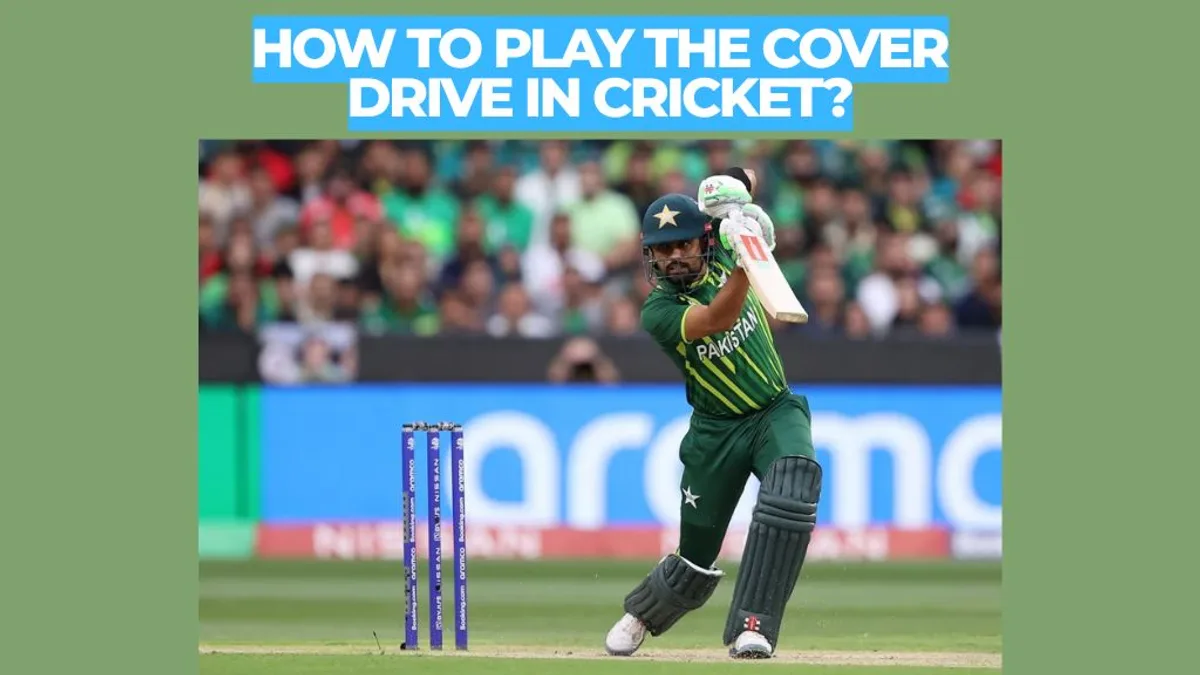
Step to the pitch of a full ball outside off, keep the head still, and drive straight through the line toward cover. Get those three things right and the ball travels. Get any one of them wrong and you’re either falling over or edging to gully.
Why the Cover Drive Works
A good-length delivery on or outside off stump gives the batter room to swing freely, and the cover-extra cover channel tends to stay open, particularly when a captain crowds mid-off, mid-on, and the slips to attack. Find the middle of the bat through that gap and four runs are close to guaranteed.
Grip
Use the standard two-handed grip, with the V formed by thumb and forefinger on each hand pointing toward the outside edge. Neither hand should squeeze hard. The bottom hand supplies power; the top hand decides where the ball goes.
Stance
Stand side-on, front shoulder pointing down the pitch, weight balanced on the balls of the feet. A high backlift toward second slip naturally brings the bat down straight and at the right angle.
Footwork: The Most Important Element
Bad footwork is usually why the cover drive breaks down.
- Read the length early, spotting a full delivery from the bowler’s wrist or hand position at release.
- Step forward toward the pitch of the ball, not across the body. The toe should point at extra cover, not mid-off.
- Get close: front knee bent, foot as near the ball’s landing spot as you can safely manage.
- Keep the head still and over the ball. If it falls toward mid-on, the bat follows, and you either edge it or drive in the air.
Execution: Step-by-Step
| Phase | Action |
|---|---|
| Trigger movement | Small initial movement; weight transfers to back foot, then commit forward |
| Stride | Long stride, toe toward extra cover |
| Head | Still, eyes level, chin pointing at the ball |
| Downswing | High backlift uncoils; bat comes down straight |
| Contact | Ball met with a straight bat, in front of the pad |
| Follow-through | Hands finish high, in the direction of extra cover |
Key Technical Checkpoints
- Keep the elbow high on the backswing; it keeps the bat face vertical at contact.
- Let the front elbow lead the downswing. That’s what gives the shot its high-elbow look.
- Avoid any cross-bat component. If the bottom hand rolls over early, the ball goes to mid-on instead of cover.
When to Drive vs When to Leave
| Delivery | Play or Leave |
|---|---|
| Full, outside off, no swing | Drive; this is the money ball |
| Full, swinging away late | Consider leaving or playing late with soft hands |
| Good length, outside off | Leave or defend; not full enough to drive safely |
| Half-volley, on off stump | Drive hard, maximum foot forward |
Common Faults
- Reaching: the front foot stops short and the batter reaches for the ball. The arm extends, the head falls, and the bat face opens toward gully. Fix it with a longer stride.
- Head falling to the leg side: usually caused by the front shoulder not rotating enough. Practise with a cone placed at shoulder height on the off side.
- Bottom hand domination: the ball balloons up and wide of mid-on. A top-hand-only drill helps you feel the correct line again.
Frequently asked questions
What is a cover drive in cricket?+
The cover drive is a front-foot attacking shot played to a full or half-volley delivery outside off stump, driving the ball through the cover or extra-cover region of the field.
What makes a cover drive technically correct?+
A technically correct cover drive has the front foot close to the pitch of the ball, head over the ball, bat coming down straight from a high backlift, and the hands finishing high in the direction of cover.
Why do batters get out driving at cover?+
Common dismissals include: the ball moving away late (edged to slip or gully), the front foot not reaching the pitch (falling), or the head falling away to the leg side causing an aerial miscue.
Sources
Play & tools
Free browser games and tools — no account, no download.
- Play today's Sports Connections — Today's Sports Connections — daily hints, answers, and play the grid.
- Play Guess the NFL Player — A new mystery NFL player every day. Eight guesses, with a clue on each — plus free unlimited mode.
- Explore all our games →
Related cricket guides
View all →
How to Play a Straight Drive in Cricket: Technique and Timing
The straight drive is cricket's classic front-foot shot, played to a full ball on off stump and hit past the bowler. Learn the stance, grip, and swing.
How to Play a Sweep Shot in Cricket: Complete Technique Guide
The sweep shot is a front-foot stroke to full-length spin, hitting the leg side with a horizontal bat. Learn the kneeling position, grip, and placement.
How to Play a Hook Shot in Cricket: Technique and Timing
The hook shot punishes short-pitched deliveries, hitting them fine behind square on the leg side. Learn the grip, footwork, and head position to play it.
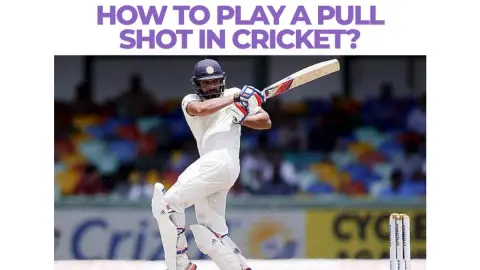
How to Play a Pull Shot in Cricket: Grip, Stance, and Timing
The pull shot is a back-foot attacking stroke to short deliveries at waist to chest height, hit square on the leg side. Here is how to play it correctly.
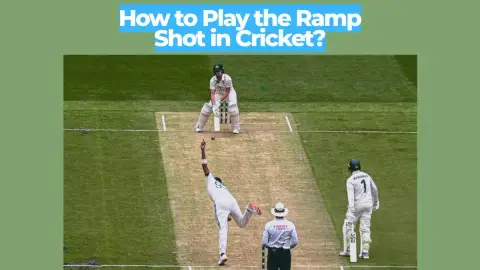
How to Play the Ramp Shot in Cricket: Technique Guide
The ramp shot deflects a full or back-of-length ball over the keeper toward fine leg or third man. Master the wrist angle and head position for T20.
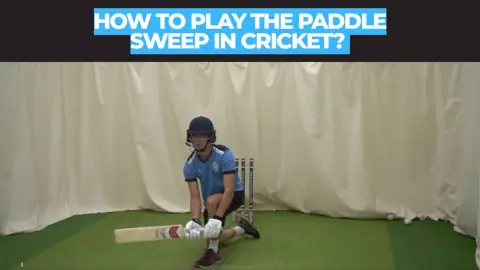
How to Play the Paddle Sweep in Cricket: Technique & Tips
The paddle sweep is a delicate deflection to spin or medium pace, guiding the ball fine down the leg side. Learn the technique, footwork, and its best use.